Pop Culture Costume Ideas That Will Dominate Halloween 2026

Plan a recognizable Halloween 2026 look with pop culture costumes inspired by Spider-Man, Supergirl, Toy Story 5, Moana, Mario, and Wednesday.
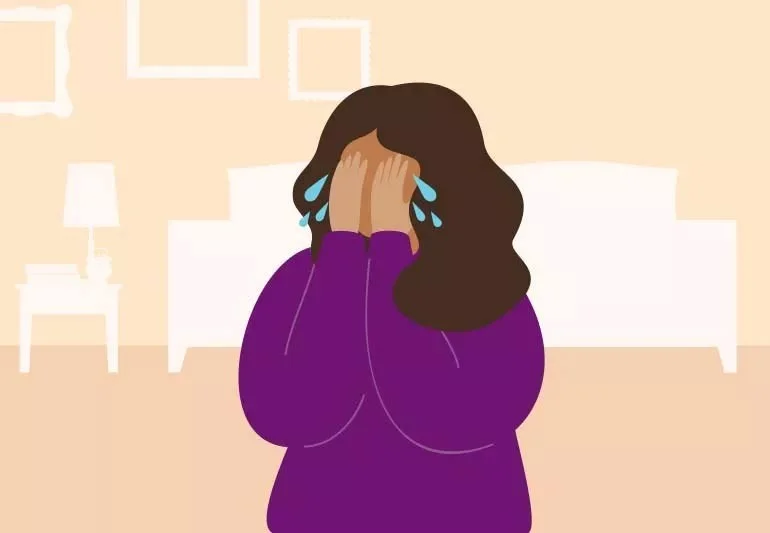
Crying is a natural human response to a wide range of emotions. It is normal to cry occasionally, especially during emotional events such as funerals, graduations, or retirement parties. Both men and women cry more than you might think. Statistics show that women cry 5.3 times per month while men cry 1.3 times per month. This difference in crying frequency may be due to socialization and gender roles.

Let's explore why people cry and its benefits, including what to do if you're worried about crying too much.
Why do we cry?
People can cry for many reasons, but it is often due to strong emotions. Physically, crying helps our bodies relieve tension and restore emotional balance by releasing stress hormones.
Psychologically, tears can be a response to sadness, joy, frustration and relief, providing an outlet for intense emotions that might otherwise become overwhelming. Socially, crying can also be a form of non-verbal communication, signaling to others that we need support, empathy or comfort and helping to strengthen social bonds.
Benefits of Crying
Science has proven that crying is beneficial for the following reasons:
Relieve stress
Crying activates the parasympathetic nervous system, which promotes relaxation, digestion, and recovery. Shedding tears also releases endorphins, the body's natural painkillers or "happy hormones," which can create a sense of calm. In addition, crying can facilitate emotional release, helping us process and find relief from inhibitions or excitement in our souls.
Helps relieve pain
The endorphins your body releases when you cry can help relieve some pain. The actual act of crying also activates the parasympathetic nervous system, which promotes relaxation, reduces stress, and can help with pain management. The emotional release of crying also helps reduce feelings of distress and discomfort.
Mood lifter
Crying can release pent-up emotions and trigger the release of endorphins, which can lift your mood. Additionally, crying often leads to seeking & receiving social support, fostering a sense of connection, and the release can significantly improve your mood.
Get support from others
When you see someone crying, you can see it as a clear nonverbal signal of distress, prompting an empathetic response. Crying often elicits curiosity, support, and reassurance from those around them. Most people naturally respond to tears with kindness and concern. Furthermore, crying can strengthen social bonds by allowing people to share their vulnerabilities, fostering deeper relationships.
Release hormones to reduce stress
Crying helps flush out stress-related chemicals like cortisol through your tears, which helps cleanse your body. Studies have even shown that emotional tears contain more stress hormones than other types of tears. 7
Sleep Aid
Releasing your emotions through crying can help relieve anxiety and stress, which can otherwise make it difficult to get a good night's sleep. Plus, the endorphins your body releases when you cry can calm your mind and help you get more restful, uninterrupted sleep.
Antibacterial
Your tears contain lysozyme, an enzyme with antibacterial properties. Lysozyme helps protect your eyes from infection by neutralizing harmful bacteria that come into contact with them. Additionally, crying helps remove debris to keep your eyes clean and healthy.
Improve eyesight
Crying helps lubricate your eyes naturally, preventing dry eyes and ensuring that the cornea (the dome-shaped outer layer that focuses light and acts as a protective barrier) stays moist and clear. Tears also help wash away dust, debris, and other irritants, reducing the risk of infection.
How much should you cry?
There is no specific advice on how much you should cry. The amount of crying varies greatly from person to person and is influenced by differences in emotional sensitivity, tolerance, and life circumstances.
Crying is a natural and healthy emotional response that helps release pent-up emotions and stress. While some people may find regular crying comforting, others may express and process their emotions in other ways.
It is essential to allow yourself to experience and process emotions authentically, finding a balance between expressing emotions and maintaining your mental health.
Plan a recognizable Halloween 2026 look with pop culture costumes inspired by Spider-Man, Supergirl, Toy Story 5, Moana, Mario, and Wednesday.
Sort leftover Halloween candy safely, share or repurpose sealed treats, and choose food use or compost for pumpkins based on their condition.
Compare workplace Halloween costume choices by respect, dress code, mobility, and safety—and learn when a subtle accessory or a policy check is the better option.
Find a couples costume that fits your style, budget, and comfort level, from Addams Family classics to original inside-joke duos.
Need a last-minute high school Halloween costume? Compare 10 easy closet-based ideas by prep time, comfort, school-day practicality, and simple safety checks.
Use a simple 2026 Halloween decorating timeline for indoor décor, outdoor displays, and fresh pumpkins, with practical adjustments for weather and events.
Mix five vivid, approachable Halloween cocktails with measured recipes, simple prep tips, and an alcohol-free option for your party guests.
Find 15 office-friendly Halloween costume ideas for 2026, with practical checks for dress codes, respectful themes, comfort, and workplace safety.
Plan a fun elementary school Halloween party with easy crafts, games, inclusive treats, costume tips, and a sample 75-minute classroom schedule.
Compare realistic side hustles for 2026 by startup cost, fees, flexibility, and income control, with current tax and scam guidance from official sources.