Kawaii Halloween Decor Without Gore or Jump Scares
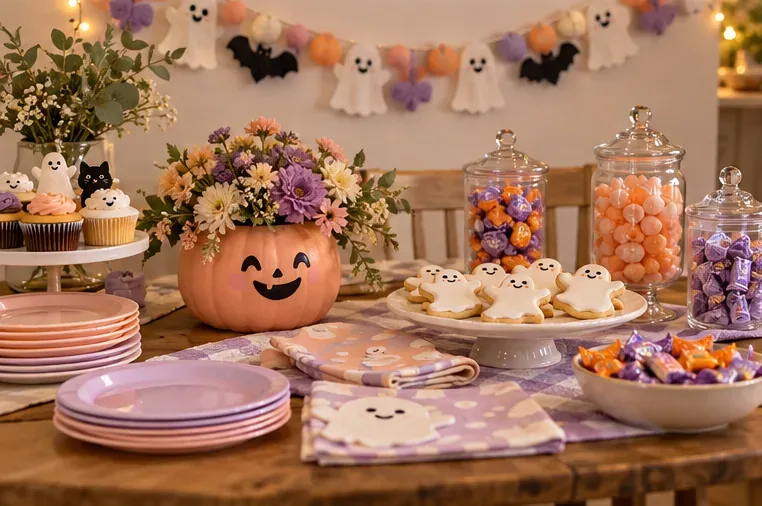
Create a gentle Halloween look with pastel colors, friendly ghosts, easy no-carve accents, and practical safety tips for your home.
Pilates is a form of exercise that can benefit bone health, strength, and mobility as you age. Here's why seniors should practice Pilates .
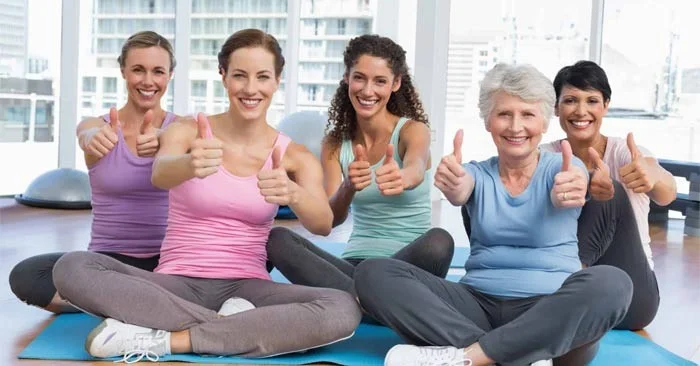
Pilates is a low impact, yet highly effective, full body exercise known to align and strengthen the body's structure.
No matter your age, fitness level or ability, it is never too late to start Pilates. Pilates can build your strength and ability to work effectively for years to come.
Benefits of Pilates for the Elderly
Studies have shown that practicing Pilates can have huge benefits at many different stages of life.
You should consult your doctor before starting any exercise program and it is best to train one-on-one with a qualified trainer or in a specialized class if you have any health problems.
Finding a senior class or working out privately with a trainer can help you maximize your progress and reap the many benefits of Pilates when healthy aging is a top priority for you.
Studies have shown that Pilates can improve bone density, especially in postmenopausal women.
Maintaining bone density as you age is important to help prevent the onset of osteoporosis and osteopenia. Increasing bone density through weight-bearing exercise is key to slowing bone loss.
A specialized Pilates program that incorporates weight-bearing exercises, such as standing Pilates or increased resistance on specialized spring equipment, will be beneficial.
If maintaining bone density is one of your goals, try Pilates on equipment. Unlike mat exercises, Pilates performed on a Reformer and Tower (or Cadillac) uses the resistance of springs as “weights.” This type of Pilates may be better at improving bone density.
Imbalances and slouching can be caused by loss of bone density and poor habits. But slouching also contributes to compression of joints and organs as you age, as well as muscle tension and imbalance, which often leads to pain.
Pilates focuses on aligning and balancing your body with an emphasis on creating easy movement between the joints.
The combination of muscle strength and flexibility, along with a greater awareness of alignment, often leads to better posture.
Balance and coordination are essential for everyday activities such as walking. Loss of strength and mobility, coupled with stooping, can cause a “chain reaction” that begins with an unwillingness to move and often develops into a fear of falling.
A good Pilates program will help increase strength and stability, improve balance, and reduce the risk of falls and fractures. It will also build better habits, such as learning how to carry and pick up objects optimally or get on or off the floor or a chair.
People often experience changes in their gait as they age. Many people lose mobility in their ankles and then experience swelling and stiffness in their feet, causing them to drag or shuffle. Pilates improves balance and gait through specific balance training, while strengthening the trunk and hips, as well as the feet and ankles.
Mobility is the balance between strength and flexibility, allowing for full and controlled range of motion.
Strength alone can leave you stiff and vulnerable to injury. Flexibility alone can leave an aging body unsupported, weak, and vulnerable to injury.
Studies have shown that the gentle, controlled movements of Pilates are ideal for building strength, support, and improving range of motion in joints. This helps the body move easily during everyday and extracurricular activities.
Pilates is a mindfulness practice based on the principle of breathing combined with movement. The ability to focus inward and on breathing helps build self-awareness and calm the nervous system.
Studies have shown that Pilates improves mental health, specifically anxiety and depression.
Above are the most wonderful benefits for the elderly when practicing Pilates. Exercise always brings great things to health. Therefore, take some time to practice every day!
Create a gentle Halloween look with pastel colors, friendly ghosts, easy no-carve accents, and practical safety tips for your home.
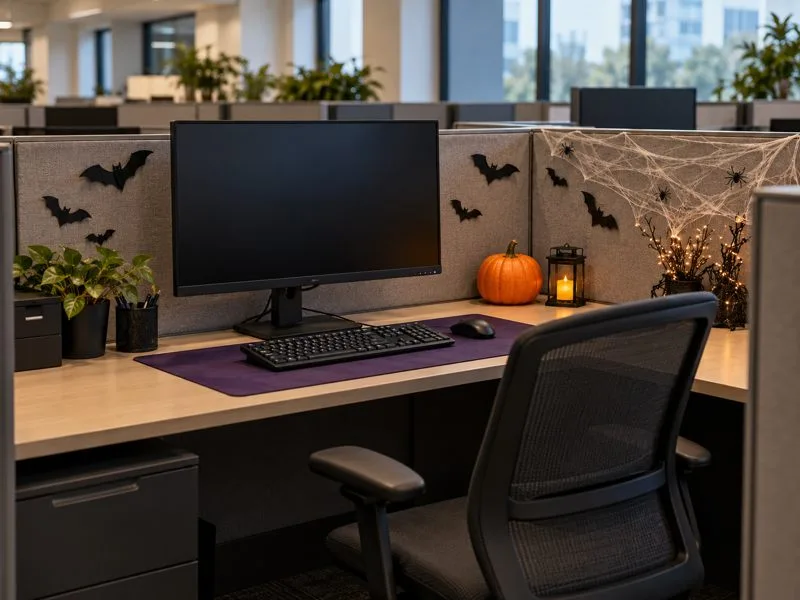
Create a spooky office cubicle with Halloween desk decor ideas that keep your workspace usable, tidy, and mindful of workplace safety.
Plan a recognizable Halloween 2026 look with pop culture costumes inspired by Spider-Man, Supergirl, Toy Story 5, Moana, Mario, and Wednesday.
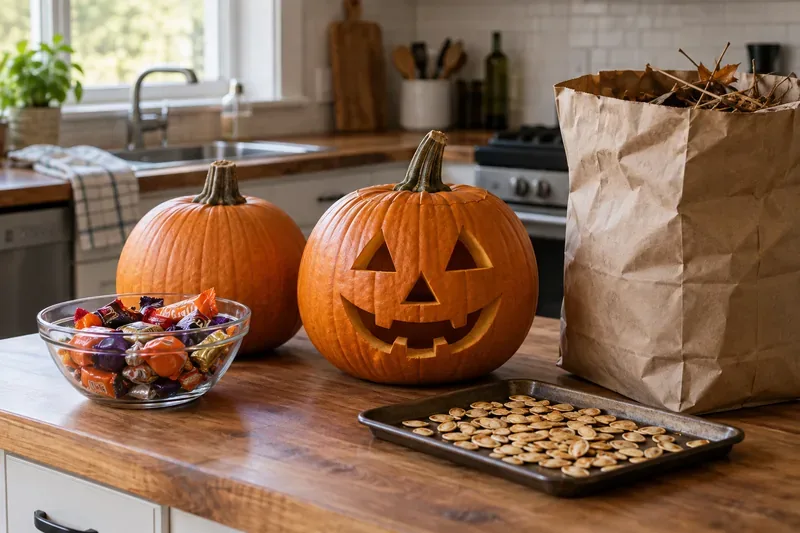
Sort leftover Halloween candy safely, share or repurpose sealed treats, and choose food use or compost for pumpkins based on their condition.
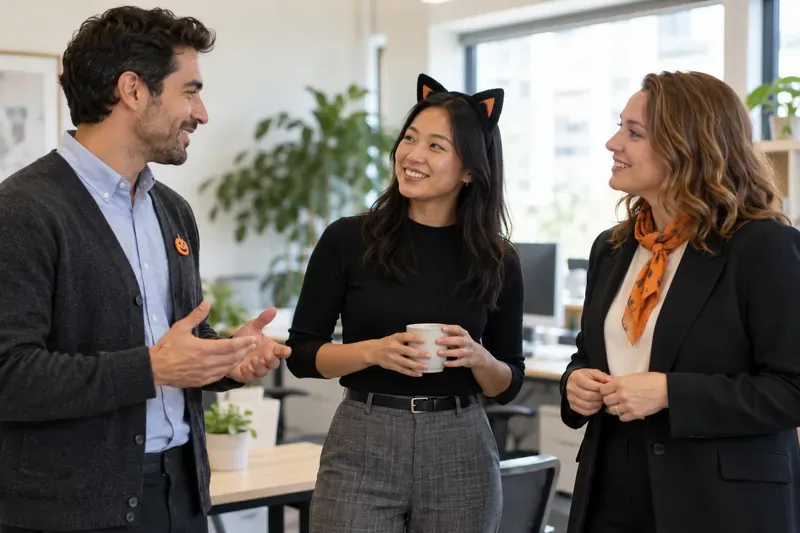
Compare workplace Halloween costume choices by respect, dress code, mobility, and safety—and learn when a subtle accessory or a policy check is the better option.
Find a couples costume that fits your style, budget, and comfort level, from Addams Family classics to original inside-joke duos.
Need a last-minute high school Halloween costume? Compare 10 easy closet-based ideas by prep time, comfort, school-day practicality, and simple safety checks.
Use a simple 2026 Halloween decorating timeline for indoor décor, outdoor displays, and fresh pumpkins, with practical adjustments for weather and events.
Mix five vivid, approachable Halloween cocktails with measured recipes, simple prep tips, and an alcohol-free option for your party guests.
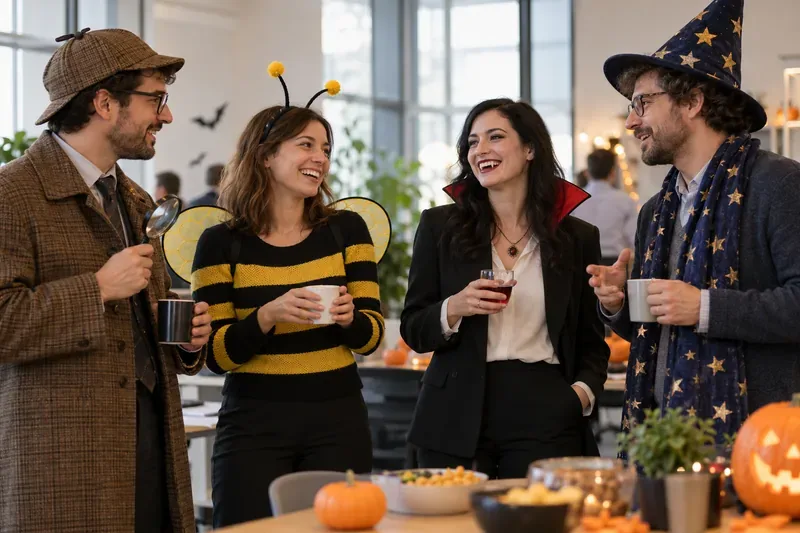
Find 15 office-friendly Halloween costume ideas for 2026, with practical checks for dress codes, respectful themes, comfort, and workplace safety.