Home
» Today
»
Boeing 737 MAX Safety Record: What Changed and What Oversight Means in 2026
Boeing 737 MAX Safety Record: What Changed and What Oversight Means in 2026
Verified and updated: November 25, 2026, 12:04 UTC.
The FAA’s latest major oversight change came in July 2026: after reviewing eight months of production data, it said Boeing could again issue airworthiness certificates for all 737 MAX aircraft at the end of production, under FAA oversight. The agency said inspections, audits and monitoring would continue. The decision concerns certificates for individual newly built aircraft; it does not mean regulators have stopped monitoring Boeing or that every safety question about the MAX has disappeared.
For Canadian travellers, the MAX has been permitted to operate in Canadian airspace since January 2021, after Transport Canada independently reviewed design changes and required aircraft modifications and additional crew training. An aircraft model’s history is relevant, but a flight’s aircraft assignment can change. For a particular trip, check the airline’s current flight information.
Destaques
The two fatal MAX crashes in 2018 and 2019 led to a global grounding and major scrutiny of the aircraft’s design and certification.
Changes included updates to MCAS and pilot training; Transport Canada also required Canadian aircraft modifications and crew training before return to service.
The FAA’s July 2026 decision restored Boeing’s role in issuing certificates for newly produced aircraft while retaining inspections and audits.
That production decision is not a passenger-facing safety rating or a guarantee about an individual flight.
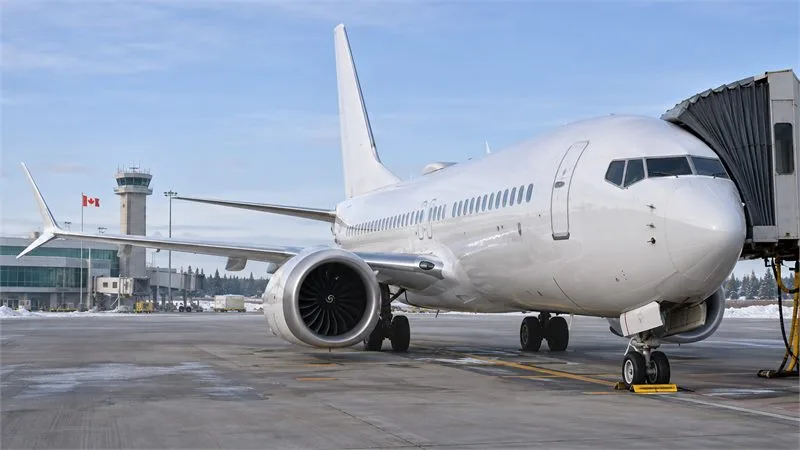
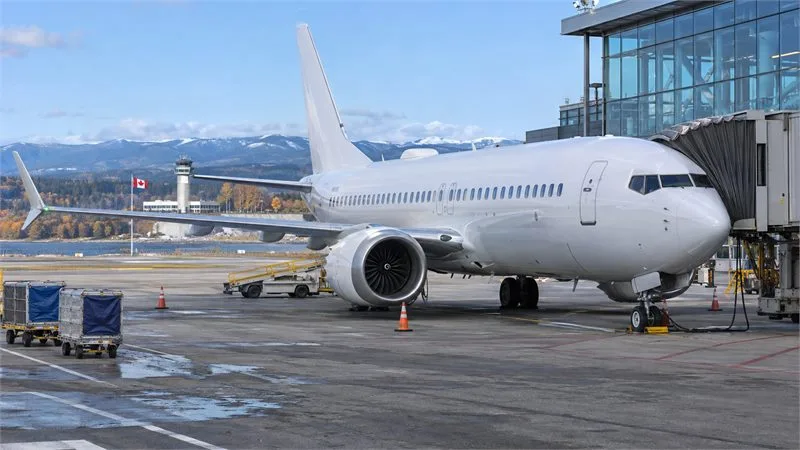
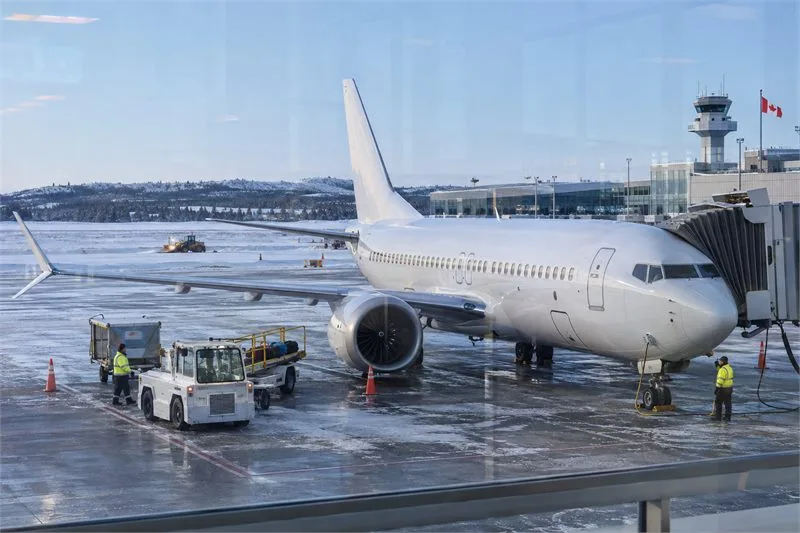
Illustrative image of a 737 MAX at an airport; it does not depict a specific flight or event.
Why was the Boeing 737 MAX grounded?
Lion Air Flight 610 crashed in Indonesia in October 2018, and Ethiopian Airlines Flight 302 crashed in March 2019. The accidents killed 346 people. Investigations examined how the aircraft’s Maneuvering Characteristics Augmentation System (MCAS), flight-control sensors, cockpit alerts, pilot response and certification decisions interacted.
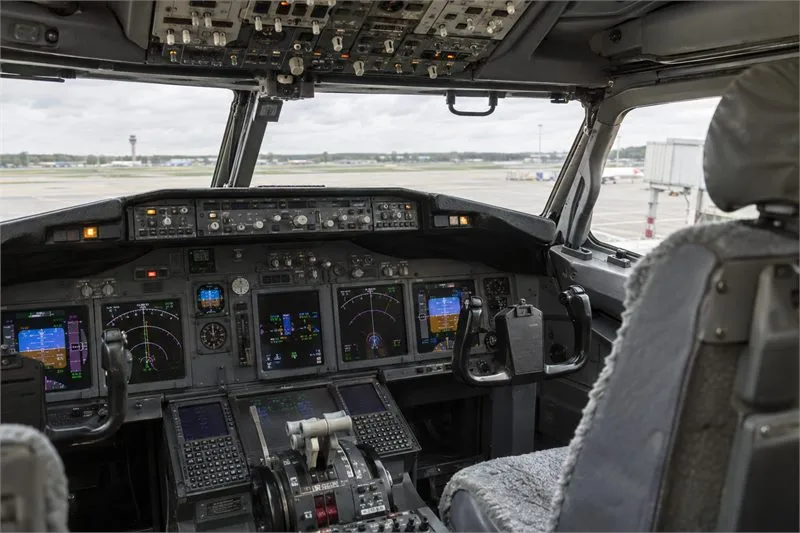
MCAS was designed to adjust handling in certain conditions. Boeing’s description of the return-to-service changes says the revised system compares information from both angle-of-attack sensors before activating, limits its action, and can activate only once in response to a given event. The FAA’s review covered design, operations, training and maintenance; those changes were required before the MAX returned to service. FAA summary of its 737 MAX return-to-service review; Boeing’s 737 MAX updates and system description.
What did Transport Canada require before Canadian flights resumed?
Canada grounded the MAX in March 2019. Transport Canada later carried out an independent review of the design changes, issued an airworthiness directive requiring modifications, and imposed additional training requirements for flight crews. It lifted the commercial-flight restriction on January 20, 2021. The agency said its review involved coordination with other regulators, Canadian operators and pilot representatives. Transport Canada’s 737 MAX return-to-service information.
Training is a practical part of the safety response: Transport Canada’s operational evaluation report says pilots must complete specified ground and flight training before flying the MAX. That requirement is distinct from design changes to the aircraft itself. Transport Canada operational evaluation report.
What changed in FAA oversight in 2026?
On July 17, 2026, the FAA announced it would return authority to Boeing to issue airworthiness certificates for all 737 MAX and 787 aircraft at the end of production, effective July 20. Before this step, certificates for some aircraft had been issued on alternating weeks by Boeing and the FAA. The agency said its review found comparable production-quality findings during those periods. It also said FAA inspectors would continue to monitor critical assembly work, quality trends, compliance with approved designs, Boeing’s safety management system and safety culture. FAA announcement on certificate issuance and ongoing oversight.
For readers, the distinction matters: a production airworthiness certificate is issued for an individual aircraft near the end of manufacturing. It is separate from approval of an aircraft design and from Transport Canada’s role in Canadian aviation safety. The FAA’s announcement signals a change in who performs that production step; its stated continuation of monitoring means oversight remains part of the process. It does not, by itself, establish that risks are zero or tell passengers whether a particular flight will use a MAX.
What should Canadian passengers take from the safety record?
Use the safety record as context, not as a substitute for current information from your airline or regulator. A scheduled aircraft type can change, and an aircraft’s model designation may be shown in the booking details or airline app. If you want to know the aircraft planned for your trip, check close to departure and contact the airline with questions about its operations or policies.
The available official updates confirm the MAX returned to Canadian service after required reviews, modifications and training, while the FAA continues production oversight following its 2026 certificate decision. Further changes to certification, design requirements or operating rules would depend on regulators’ findings and any new safety evidence; they should not be assumed from the July announcement alone.
Frequently asked questions
Is the Boeing 737 MAX allowed to fly in Canada?
Yes. Transport Canada lifted the commercial-flight restriction in January 2021 after its review and required changes. Airlines remain responsible for their own operations under applicable rules.
What was changed after the MAX crashes?
Changes included updates to MCAS and other flight-control elements, as well as revised procedures and additional pilot training required for return to service.
Does Boeing issuing certificates mean FAA oversight ended?
No. The FAA said inspections, audits and monitoring of production quality and Boeing’s safety management would continue after the July 2026 decision.