Deactivate Inactive Matrix Users Without Deleting Room History
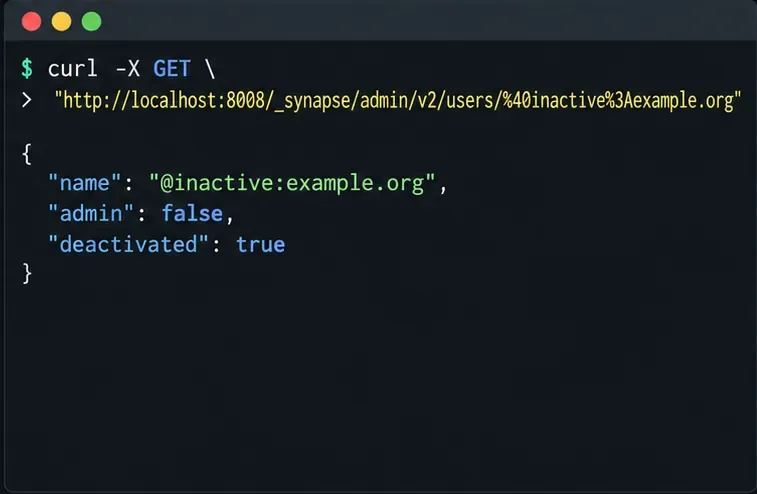
Review device activity, deactivate confirmed inactive Synapse accounts through the Admin API, and learn what the optional erase flag actually removes.
We often think that only a PC, Laptop or Smartphone can be infected with a virus, that is before, but now, the next target of the virus, the malicious code is Smart TV . So how to check if my TV is infected with virus or not and how to destroy it? This article, WebTech360 will answer that question for you.

To scan and remove viruses, follow these steps:
Step 1: Press the Home button on the Remote.

Step 2: Go to Settings, select System.
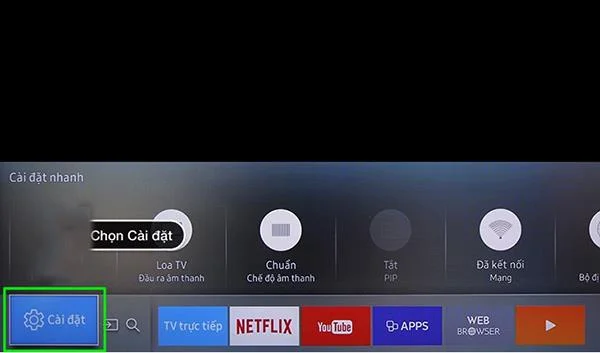

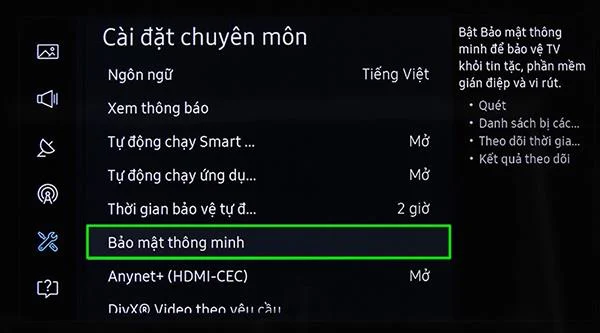
Step 3: Select Expert Settings.

Step 4: Choose Smart Security.
Step 5: Select the Scan line , the TV will now scan, in case it detects the malicious code, the TV will notify you and allow you to choose to isolate this malicious code.
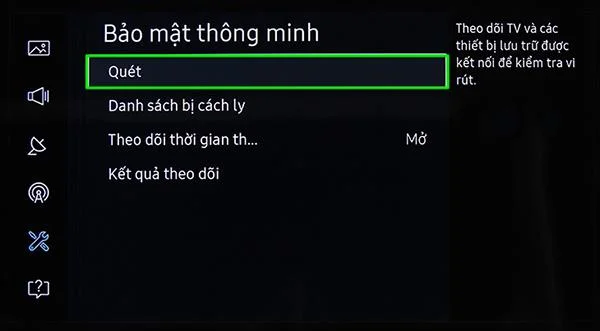
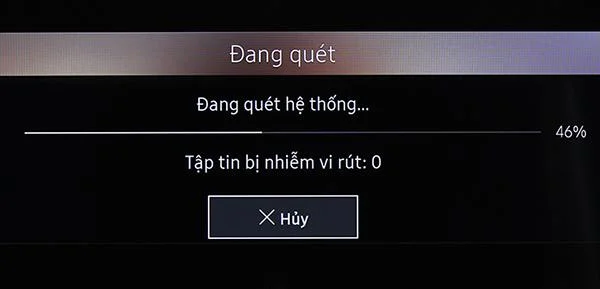
The list of viruses scanned and quarantined will be in the Quarantine List , and your TV will also list the security activities as well as a scan list in the Tracking Results section .
With the above 5 steps, we can check if the TV is infected with a virus, but this is only a method to partially prevent it, but cannot 100% eliminate the malware that the TV has infected. . Therefore, WebTech360 recommends that you pay attention when accessing strange websites and be more careful in downloading apps to TV.
Review device activity, deactivate confirmed inactive Synapse accounts through the Admin API, and learn what the optional erase flag actually removes.
Find whether PostgreSQL memory comes from query work, shared buffers, connections, or maintenance, then make targeted Synapse-safe changes.
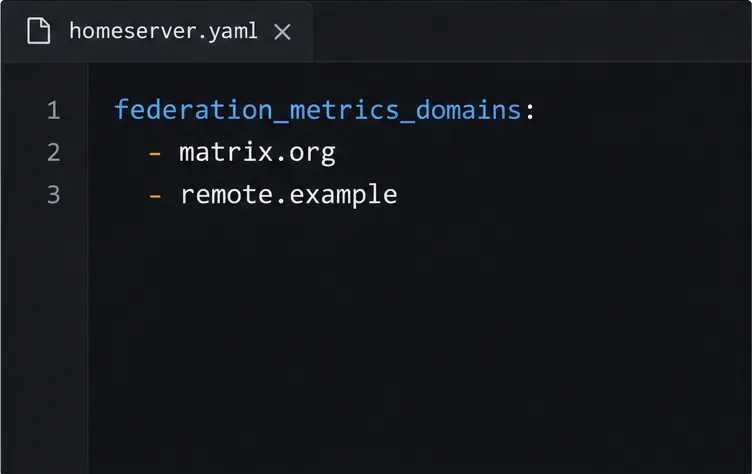
Trace slow Matrix room joins to one remote homeserver, federation backoff, local database load, or an outbound sender queue before changing Synapse settings.
Stop open account creation on a self-hosted Synapse server, or keep sign-ups invite-only with limited-use registration tokens.
Clear Element's unverified-session warning using a trusted device or recovery key, with checks that protect your encrypted chat history.
Distinguish database lock contention from expired WebDAV locks, then choose and configure the right ownCloud 10 fix.
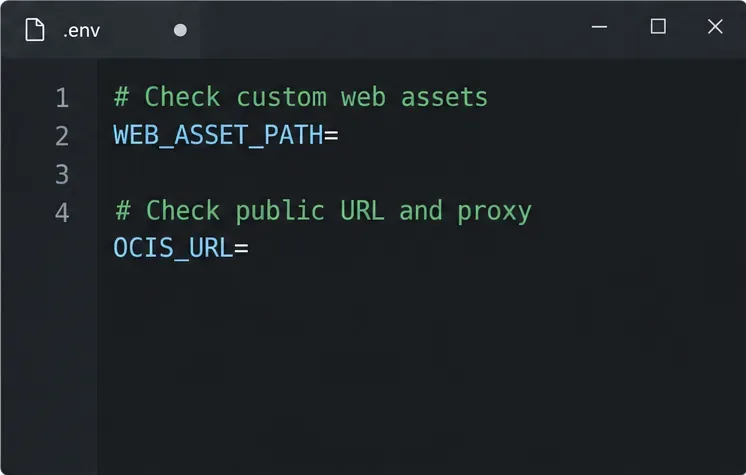
Trace a blank ownCloud Web screen to browser cache, missing web assets, service errors, or reverse-proxy URL settings with targeted checks.
Set ownCloud’s web PHP memory limit, restart the matching service, and verify the active value without confusing it with CLI settings or upload limits.
Find out whether MySQL, PHP, socket settings, or database permissions are blocking ownCloud 10, then verify a safe fix.
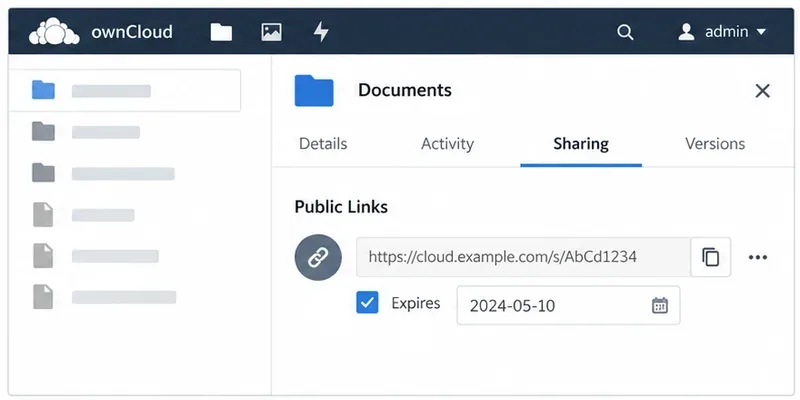
Make public link expiration mandatory in ownCloud Classic, set a maximum lifetime, and check existing shares that may need separate cleanup.