Set Up a Custom Matrix Room Alias on Your Own Domain
Give a Matrix room an easy-to-share address on your domain using Element or the Matrix API, with checks for permissions, Synapse naming, and federation.
The software that displays FPS while playing games currently has quite a lot, most gamers know that when the frame jerks while playing the game, it is a lower FPS than normal. The rated FPS is normal to be 30 or above and 60 is smooth.
The reason for the FPS may be due to the high game configuration and your hardware is weak. Or maybe you have a lot of software on your RAM that you don't notice. To optimize system and play games more smoothly, you can use Razer Game Booster to remove unnecessary software to make your FPS higher when playing games, how to show FPS by Razer Game Booster you can see the instructions below.
Step 1: Log in to Razer Game Booster, if you do not have an account, please see how to register in the article How to set up and create a Razer Game Booster account . Then log in and in the main interface, select Utilities.
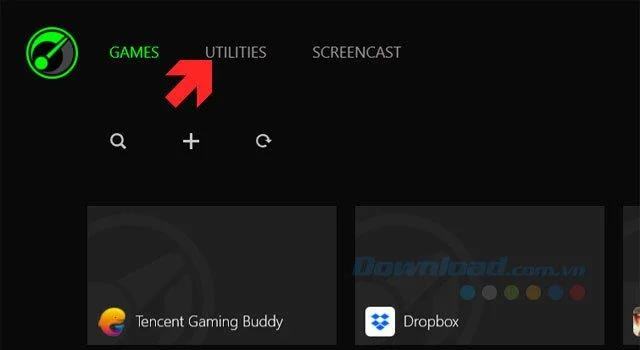
Step 2: In the Utilities section, select FPS, at the bottom of the window to select the FPS display position on the screen, you will be selected 4 corners to set the FPS index, choose the location that you can easily observe.
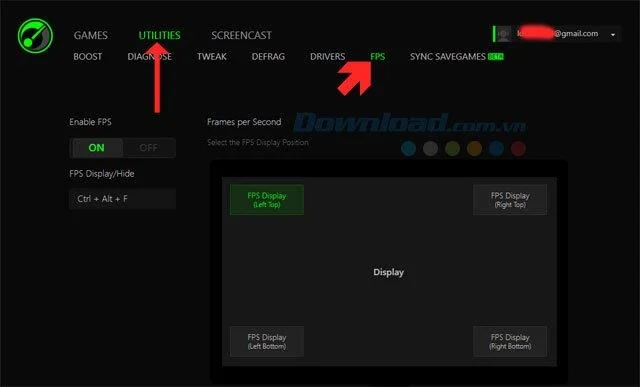
Step 3: After entering the game, you will see the Razer Game Booster's FPS displayed at the selected corner, if you want to change the FPS position, you just need to press Alt + Tab outside and select the position in the section again. FPS in Razer Game Booster.

So with the instructions above you can control your FPS and use Razer Game Booster to optimize your system, making the game run smoother.
And if your computer configuration is not high, try to find the mid-range configuration games that fall back, or upgrade your configuration to RAM or graphics card. Refer to some of the titles or lightweight configurations in the article TOP game PC configuration on the average or on the computer.
Give a Matrix room an easy-to-share address on your domain using Element or the Matrix API, with checks for permissions, Synapse naming, and federation.
Configure coturn and Synapse with matching TURN credentials, open the required relay ports, and verify that Matrix clients can obtain relay candidates.
Set up a persistent Synapse homeserver with Docker Compose, PostgreSQL, a private config, and checks before exposing it through HTTPS.
Set a branded name, custom colors, and login assets for your Element Web deployment while understanding which parts remain Element-branded.
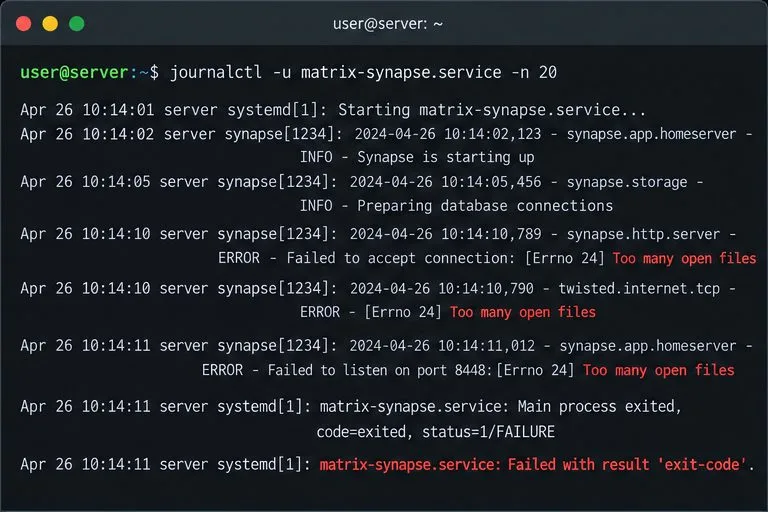
Diagnose whether Synapse hit its per-process open-file cap, set a systemd drop-in for the right service or worker, and verify the live limit.
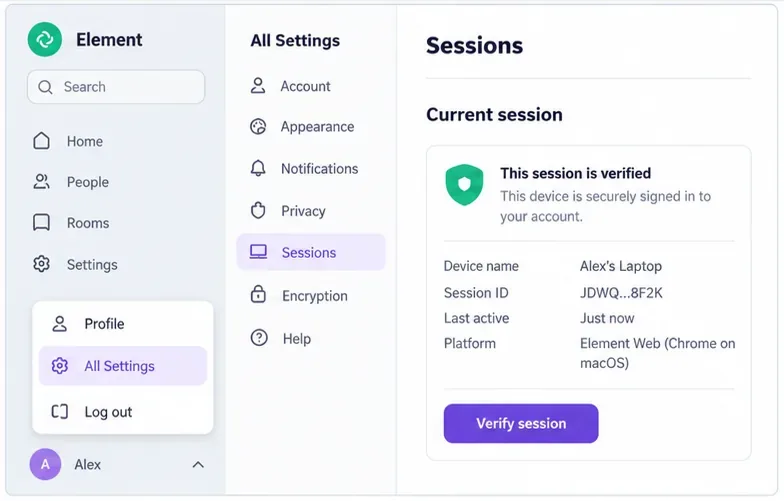
Find out whether the error is limited to one browser or one event, then use Element’s recovery key or a trusted device without risking your remaining encrypted history.
Use Synapse’s history and media purge APIs or retention settings to remove stale data safely, then verify completion and disk-space recovery.
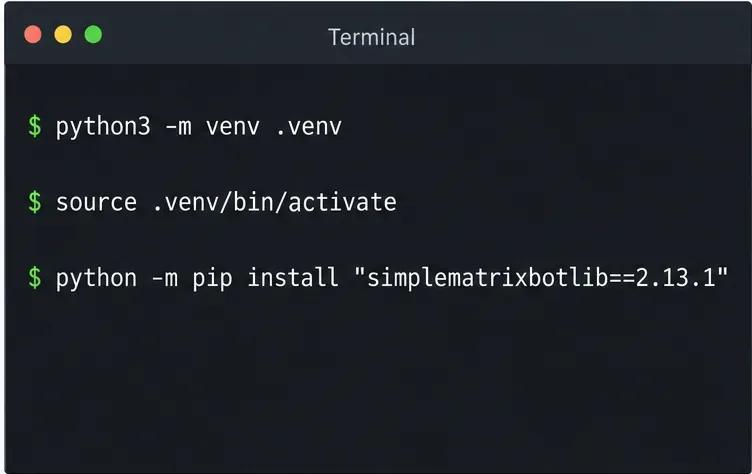
Install the current library, connect a dedicated Matrix account, and run a small !echo bot with safer credential handling and a clear test.
Set up three mautrix bridges with separate registrations, logins, and tests—and avoid Docker networking, account-policy, and sync surprises.
Find what is filling Synapse storage, set safe media retention, and purge remote cache without deleting files directly from disk.