Home
» Wiki
»
How to download entire web page for offline reading
How to download entire web page for offline reading
There’s nothing worse than losing your connection in the middle of reading an article, especially if you’re relying on that resource to complete an assignment. The good news is that you can prepare for slow internet by saving web pages for offline reading. Conveniently, browsers, apps, and extensions offer efficient ways to do this.
Arguably one of the most popular browsers, Google Chrome , has a very simple Save As option .
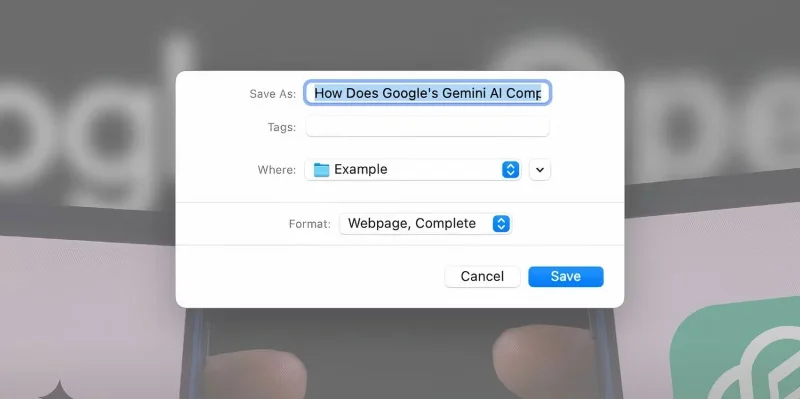
The Save As dialog box on Google Chrome gives users the option to name and save the web page.
To access this option on the desktop:
In the Google Chrome browser, navigate to File > Save Page As .
In the dialog window, enter a name for the page you want to save and select a location.
From the Format drop-down list , select the file type you want to save the page as.
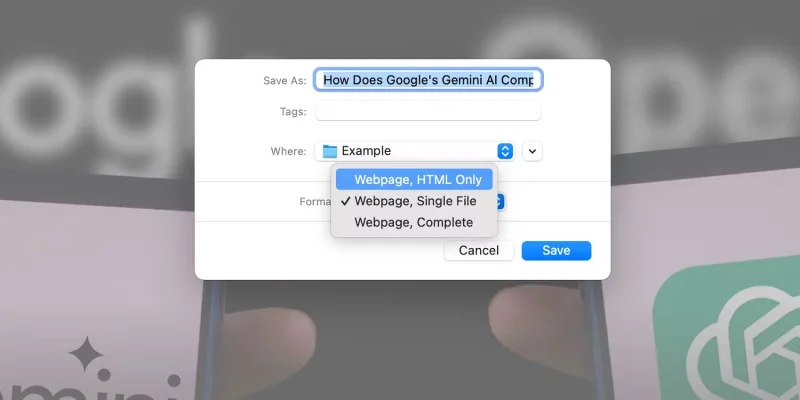
Chrome's Save As dialog shows three different file types for saving web pages.
Select Web Page, Complete to save the entire web page, including all images and files. This option preserves the visual interface, but it will take longer to save. If you only need the text, select Web Page, HTML Only . If you need to open the web page in Microsoft Word instead of a browser window, select Web Page, Single File , which saves the page as a Microsoft Word MHTML document.
Tip : For speed, you can also access Chrome's save options with the keyboard shortcut Command + S on Mac and Control + S on Windows.
How to Save Webpages in Chrome Mobile
The process is a little different when saving a Chrome webpage on an iPhone or Android device. Chrome saves the webpage to your Reading List, which you can only access when you're connected to the Internet. However, with a little effort, there are ways to save a Chrome page on your mobile device so you can read it offline.
To save a Chrome webpage on Android:
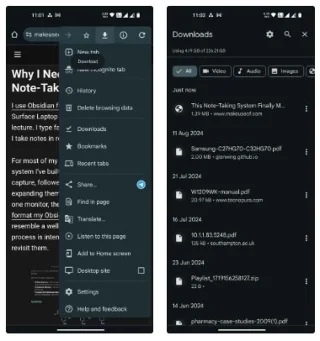
When saving to Reading List, select More (three-dot icon) to the right of the address bar and tap Star .
To download for offline use, select Download instead.
Then look for starred sites under More > Bookmarks > Reading List and downloaded sites under More > Downloads .
Downloading for offline use is a bit tricky on iPhone. At the time of writing, there’s no option to add a site to Downloads like there is on Android. However, you can still add sites to your Reading List.
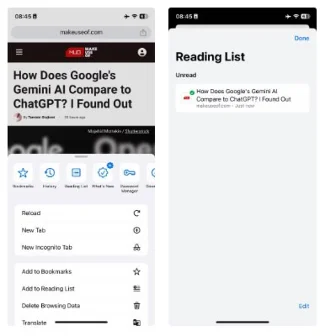
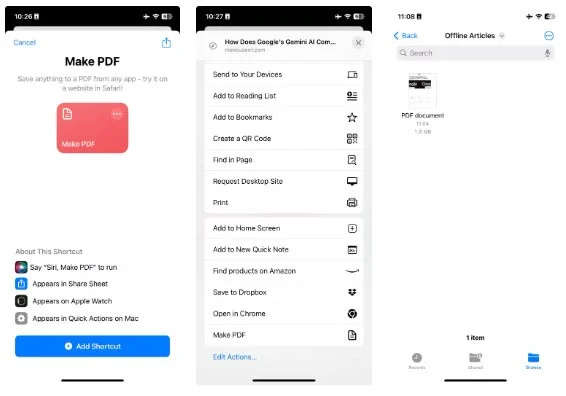
Chrome on iOS offers the option to add websites to Reading List
Despite this limitation, you can actually take advantage of Apple’s Shortcuts app to easily save PDFs from Chrome. Once you set up the Make PDF automation , you can access it from Chrome’s iOS app via the Share icon next to the address bar. When you see the PDF, you can save it to your files.
Then, locate your saved web pages in More > Reading List and your downloaded PDFs in Apple's Files app.
2. Download a web page using Safari
Similar to Chrome's mobile feature, Apple's Safari has a Reading List for organizing web pages you want to save. Even better, Safari's feature will also prepare those pages for offline use, as long as you adjust your settings first:
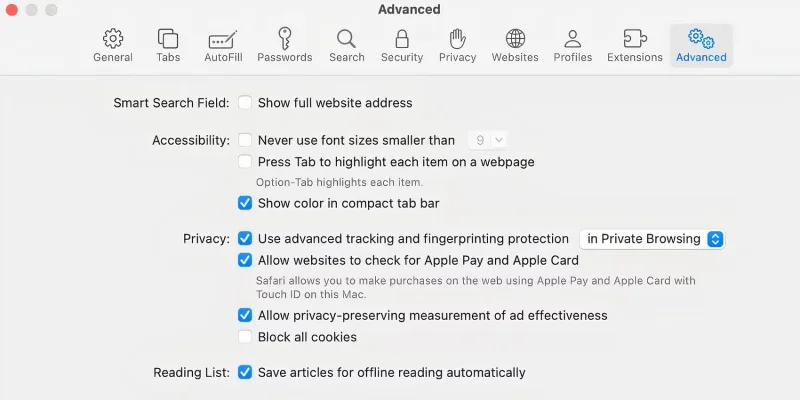
Select Safari > Settings and go to the Advanced tab .
Turn on the Save Articles for Offline Reading Automatically feature .
Safari preferences window has an option to automatically save articles for offline reading
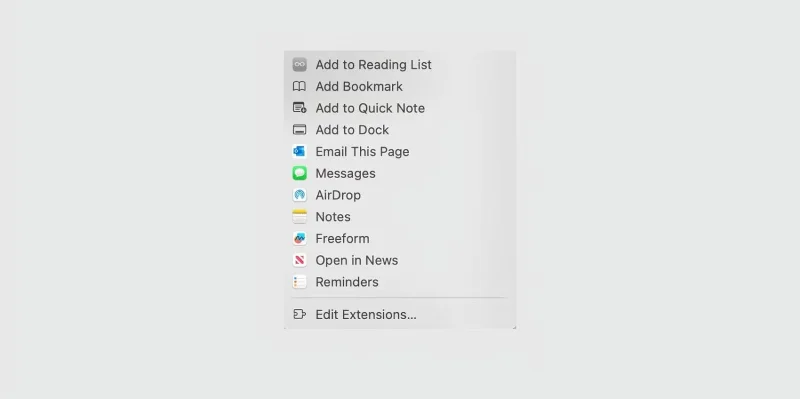
To save a web page to your Reading List, click the Share icon next to the URL field and you'll see that option.
Safari offers the option to add articles or websites to your Reading List.
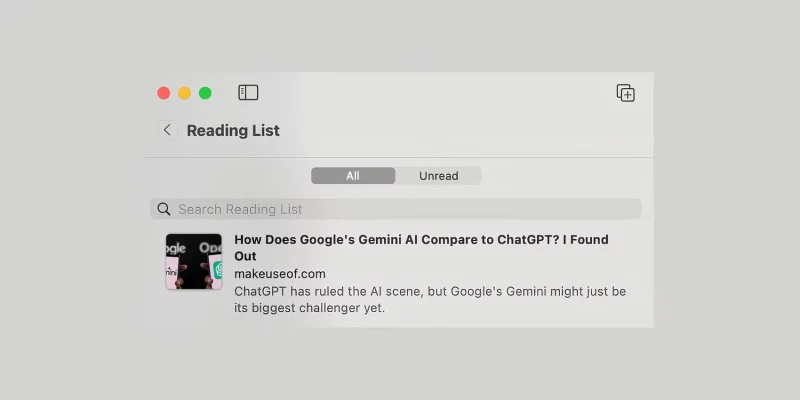
To access a saved web page, open the Sidebar and select Reading List , the icon that looks like a pair of glasses.
Safari's Reading List in the sidebar shows saved web pages
Safari uses iCloud to keep your Reading List in sync across all your Mac computers and iOS devices. This means your Reading List will stay in sync between your Mac and iPhone.
Speaking of iPhone, saving a web page on a mobile iOS device is just as simple as on a Mac:
First, make sure to enable offline reading on your iPhone by going to Settings > Safari > Automatically Save Offline .
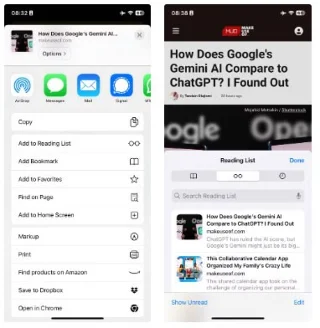
Open the website and tap the Share icon > Add to Reading List .
Access your saved content by tapping the Book icon from the Safari toolbar. Select the Reading List tab .
On Safari, users have the option to add articles to their Reading List.
Safari has a tab that displays the user's Reading List.
3. Download the website using the extension
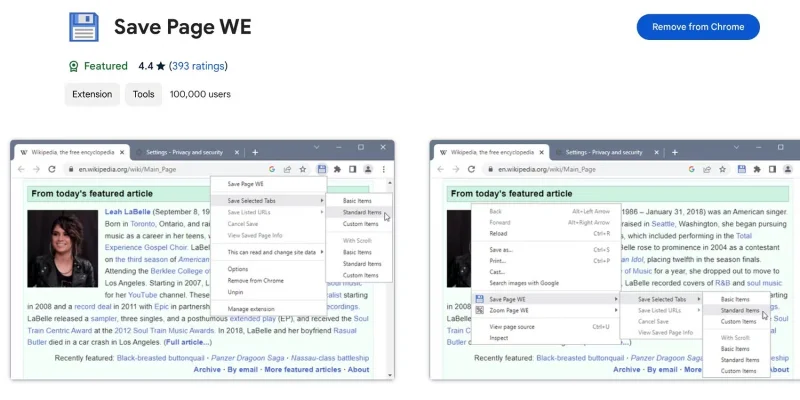
Save Page WE Chrome extension download page
You can simplify the process even further with an extension called Save Page WE, which works on both Google Chrome and Firefox. Once installed, simply click the extension icon from the toolbar to instantly download a web page into a single HTML file (along with all of its included content, such as images, ads, and formatting).
If you want more control over the format of your saved pages, select the More options menu (next to the extension icon) > Options to explore alternative download options. These alternatives include options to save Basic Items , Standard Items , and Custom Items .
If you want to save a web page in a way that's accessible on any platform, you can always convert it to PDF. This method offers flexibility: You can read the page on any device, annotate it, and send it to others instantly.
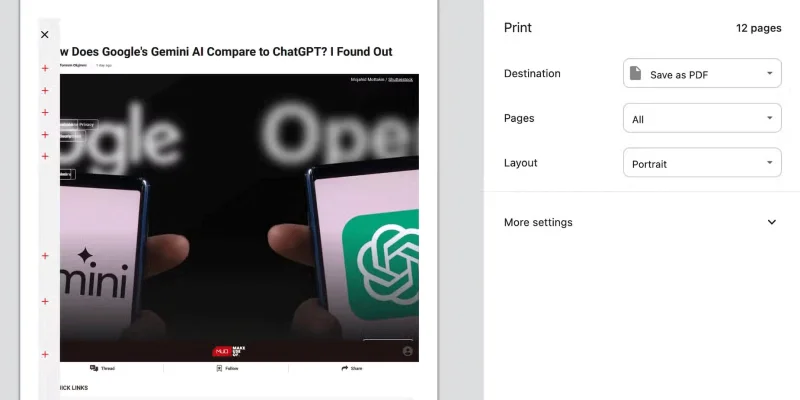
Print dialog has option to save as PDF
To save a web page as a PDF:
On your default browser, navigate to File > Print . Alternatively, use the keyboard shortcut Command + P on iOS and Control + P on Windows.
In the Print dialog box, select Save as PDF in the Destination section.
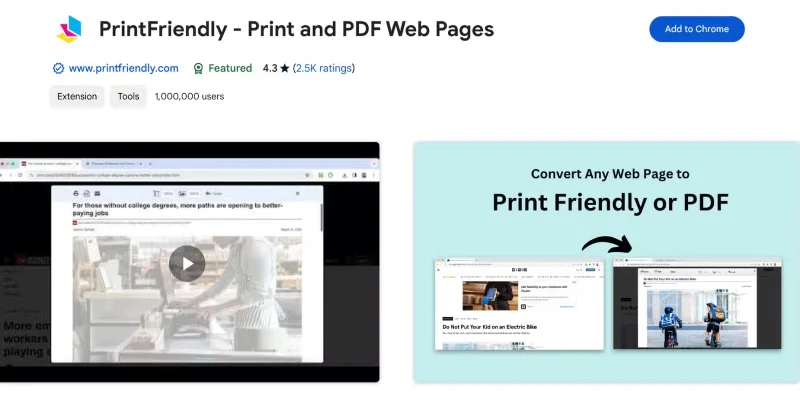
It's important to note that when you save a web page as a PDF, you may also download potentially distracting elements like ads and headers or encounter formatting errors. Extensions like PrintFriendly are designed to prioritize text when downloading a web page as a PDF, stripping out unnecessary elements.
PrintFriendly Chrome extension download page
To create a PDF of a web page using PrintFriendly:
Select the Extensions icon and select PrintFriendly .
You will see a pop-up with a simplified formatted page. Use the automatically adjusted post or remove elements manually.
When you're ready, click PDF > Download Your PDF to save your article.
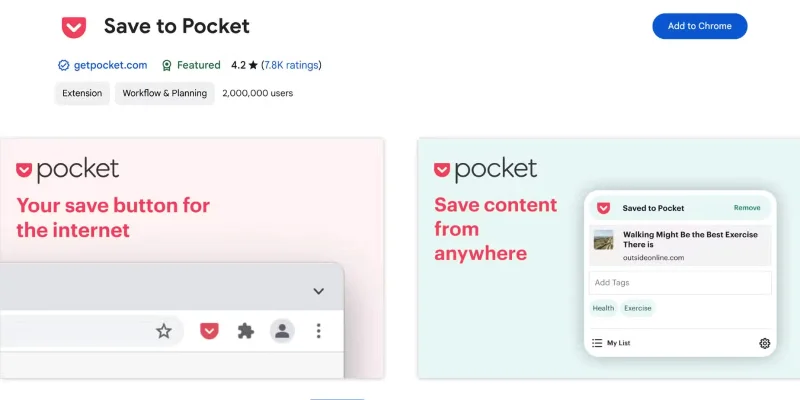
If a messy file system is a concern for you, you might appreciate a single app that can organize web pages for you. Read-it-later services like Pocket make it easy to save a web page and come back to it when you have more time.
Save to Pocket Chrome extension download page
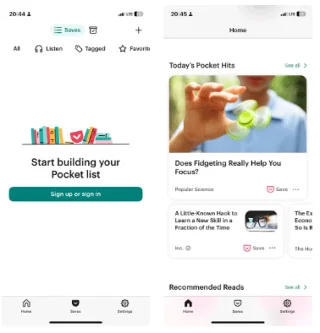
Once you install the Pocket app on your iPhone or Android phone, you can use the Share icon to save pages from any app directly to Pocket. The Save to Pocket extension is also available on all major browsers, syncing content saved on your desktop to the Pocket app.
The Pocket app maintains your list of saved articles for offline reading, stripped of formatting, ads, and other intrusive elements.
Aside from unstable connections, saving web pages can also lead to a more focused study session or a preserved archive of articles that will stand the test of time. Furthermore, when a single web page is not enough, you can check out these tools to download entire websites for offline use. Now, go ahead and explore the World Wide Web without any interruptions.