Is your PC sluggish at startup? Microsoft Teams launching automatically could be the culprit, hogging RAM and CPU right from boot. By learning how to disable Microsoft Teams at startup, you'll enjoy better PC performance—faster launches, smoother multitasking, and more breathing room for your favorite apps. 😊
This guide delivers proven, up-to-date steps for the latest Windows versions. No tech expertise needed—just follow along for quick wins. Ready to supercharge your machine? Let's dive in!
Why Disable Microsoft Teams at Startup? The Performance Boost You Need
Microsoft Teams is a powerhouse for collaboration, but its auto-start feature loads at boot, consuming up to 200MB RAM and spiking CPU usage. This delays your desktop by seconds—or minutes on older hardware.
- ⭐ Faster boot times: Skip the wait, get to work instantly.
- 👍 Lower resource usage: Free up memory for gaming, editing, or browsing.
- 🚀 Better PC performance: Smoother operation, especially on laptops or low-spec PCs.
Pro tip: Teams still opens lightning-fast when you need it manually. Everyone wins! 👏
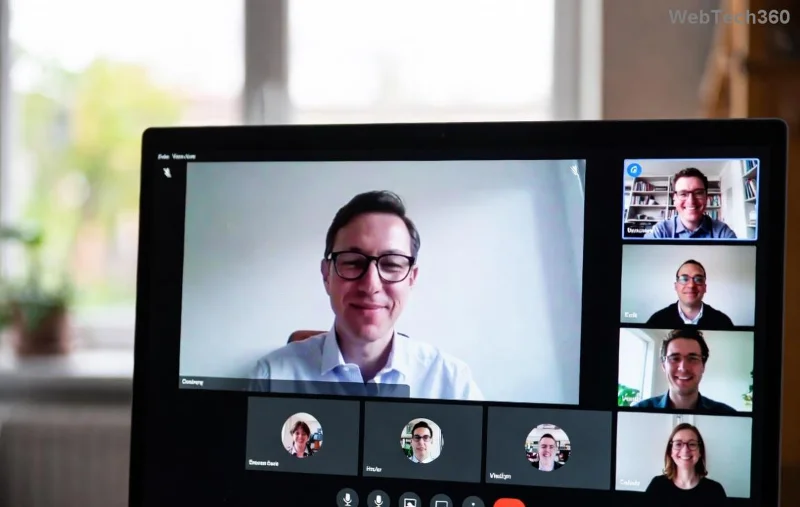
Method 1: Quick Fix via Task Manager (Easiest for Beginners) 🖥️
The simplest way to disable Microsoft Teams at startup uses built-in Windows tools. Perfect for Windows 11 or 10 users.
- Right-click the Taskbar and select Task Manager (or press Ctrl + Shift + Esc). 1️⃣
- Click the Startup apps tab (or Startup in older versions).
- Find Microsoft Teams in the list. Note its Status (Enabled) and Startup impact (High? Time to act!).
- Right-click Teams and hit Disable. Confirm if prompted.
- Restart your PC to test. Boom—faster startup! 🎉
Done in under a minute. If Teams re-enables (rare), check for updates via the app.
Method 2: Through Windows Settings (Seamless Integration) ⚙️
For a more polished approach, use Settings. This method persists across updates and works flawlessly on the latest Windows builds.
| Step |
Action |
Expected Result |
| 1️⃣ Open Settings |
Press Windows + I |
Settings app launches |
| 2️⃣ Navigate |
Apps > Startup (or search "Startup apps") |
List of auto-start programs appears |
| 3️⃣ Toggle Teams |
Find Microsoft Teams > Set to Off |
Status changes to Disabled |
| 4️⃣ Reboot |
Restart PC |
No Teams at startup—check Task Manager to verify |
This table keeps it visual and easy. Your PC will thank you with snappier performance. ![Windows Settings Startup apps screen with Microsoft Teams toggle]()
Method 3: Advanced - Edit Teams Config Files (For Power Users) 🔧
Need bulletproof control? Dive into Teams' files. Warning: Backup first (create a restore point via Search > "Create a restore point").
- Close Teams completely (Task Manager > End task if needed).
- Navigate to:
%appdata%\Microsoft\Windows\Start Menu\Programs\Startup (paste in File Explorer).
- Delete or rename Teams.lnk shortcut.
- For machine-wide install: Go to
C:\Users\%USERNAME%\AppData\Local\Microsoft\Teams\, edit Update.exe with --processStart "Teams.exe" /disablegpcheck (via Command Prompt as admin).
- Restart and enjoy better PC performance! 🚀
![File Explorer showing Teams startup shortcut removal]()
For official tweaks, see Microsoft's guide: Teams Startup Management.
Verify Your Changes & Extra Tips for Peak Performance
Post-disable:
- Monitor via Task Manager > Performance tab: Expect 10-30% less startup load.
- Test boot time: Use Autoruns (free from Microsoft) for full visibility.
Bonus tips:
- ⭐ Update Teams regularly for efficiency gains.
- 👍 Disable other hogs like OneDrive if needed.
- ❌ Avoid registry edits unless comfy—stick to Methods 1-2.
- Keep Teams handy: Pin to taskbar for one-click access.
Wrap-Up: Reclaim Your PC's Speed Today!
Disabling Microsoft Teams at startup is a game-changer for better PC performance. You've got multiple methods—pick one, apply, and feel the difference. Your faster, leaner PC awaits. Share your results below or try our next guide on optimizing browser startups. Stay speedy! ⚡