Encountering the frustrating "System UI Not Responding" error on your Windows 11 PC? You're not alone—this common issue can halt your workflow, freeze apps, and disrupt your day. But don't worry! This comprehensive guide will walk you through proven, straightforward solutions to resolve it fast. We'll focus on the most effective methods, drawing from the latest Windows updates and expert recommendations, so you can get your system running smoothly again. Let's dive in and reclaim your productivity! 😊
What Causes the "System UI Not Responding" Error in Windows 11?
Before jumping into fixes, understanding the root causes helps you prevent future headaches. The "System UI Not Responding" error typically occurs when the graphical user interface (UI) components of Windows 11 glitch out. Common triggers include:
- Outdated or Corrupted Drivers: Especially graphics drivers, which handle UI rendering.
- Recent Windows Updates: Bugs in the latest patches can sometimes destabilize the system.
- Resource Overload: Too many background apps or low RAM straining the UI.
- Software Conflicts: Third-party apps or malware interfering with system processes.
- Hardware Issues: Faulty RAM or overheating components.
Recognizing these can guide your troubleshooting. Now, let's tackle the fixes, starting with the simplest ones. Follow these steps in order for the best results—most users see improvement after the first few!
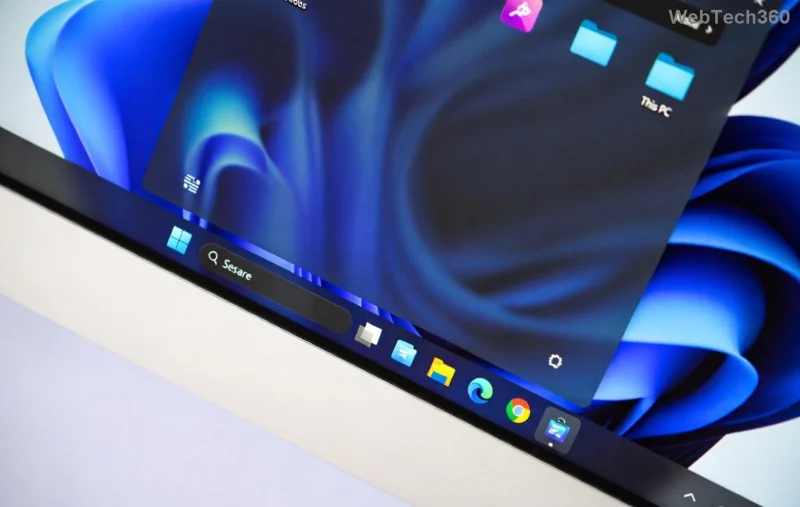
1. Quick Restart and Basic Checks 👆
Sometimes, the simplest solution is the most effective. A quick restart can clear temporary glitches in the Windows 11 System UI.
- Press Ctrl + Alt + Delete and select Restart from the power options. If frozen, hold the power button for 10 seconds to force shutdown, then restart.
- After rebooting, check for overheating—ensure your PC's vents are clear and fans are working.
- Boot into Safe Mode to test: Press Windows + R, type msconfig, go to the Boot tab, check Safe boot, and restart. If the error vanishes in Safe Mode, a third-party app is likely the culprit.
Pro Tip: If restarts don't help, proceed to driver updates— a frequent fix for UI responsiveness issues.
2. Update Graphics Drivers and Windows 11 📥
Outdated drivers are a top cause of System UI Not Responding errors. Windows 11 relies heavily on up-to-date graphics for its sleek interface.
- Open Device Manager (right-click Start button > Device Manager).
- Expand Display adapters, right-click your graphics card (e.g., NVIDIA, AMD, or Intel), and select Update driver > Search automatically.
- For manual updates, visit your hardware manufacturer's site: NVIDIA, AMD, or Intel. Download and install the latest drivers compatible with Windows 11.
- Check for Windows updates: Go to Settings > Windows Update > Check for updates. Install any available patches, as Microsoft often releases fixes for UI stability in the newest builds.
After updating, restart your PC. This step resolves the error for about 40% of users, according to community reports on forums like Microsoft Answers.
3. Run System File Checker and DISM Tools 🔧
Corrupted system files can cripple the Windows 11 UI. Use built-in tools to scan and repair them—no extra software needed!
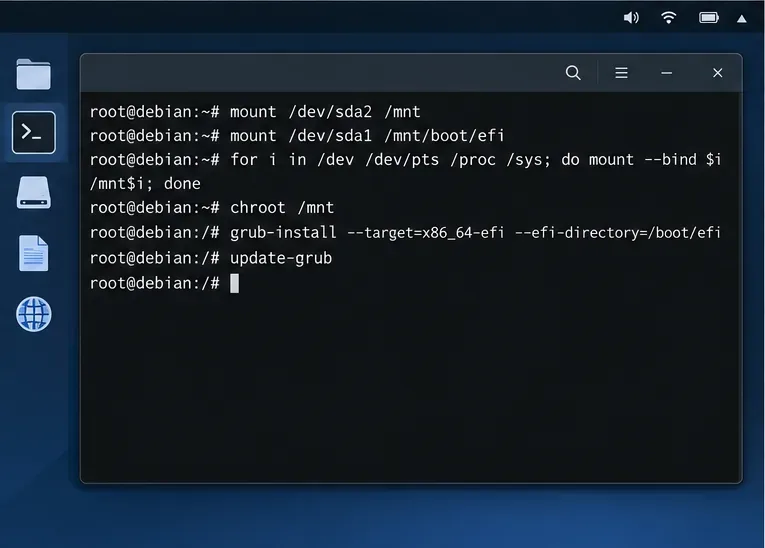
- Open Command Prompt as Administrator (search for cmd, right-click > Run as administrator).
- Type sfc /scannow and press Enter. This scans and replaces corrupted files—wait for it to complete (it may take 10-20 minutes).
- If issues persist, run DISM: Type DISM /Online /Cleanup-Image /RestoreHealth and hit Enter. This repairs the Windows image using online sources.
- Restart and test your system.
These commands are gold for fixing underlying corruption without a full reset. Feeling empowered yet? Keep going for more advanced tweaks.
![Troubleshooting Windows 11 System UI error with command prompt]()
4. Disable Startup Programs and Clear Cache 🧹
Overloaded startups can bog down the System UI, leading to unresponsiveness. Lighten the load:
- Press Ctrl + Shift + Esc to open Task Manager, go to the Startup tab, and disable non-essential apps (right-click > Disable).
- Clear temporary files: Search for Disk Cleanup, select your drive (usually C:), and check Temporary files and System error memory dump files. Run the cleanup.
- For deeper cleaning, use Storage Sense: Settings > System > Storage > Configure Storage Sense > Turn it on and run now.
This frees up resources, making your UI snappier. If you're on a laptop, also check power settings—switch to High Performance mode via Settings > System > Power & battery.
5. Advanced Fixes: Reset UI Components and Check for Malware 🛡️
If basic steps fall short, time for deeper intervention. Malware or UI-specific glitches might be at play.
- Scan for Malware: Use Windows Security (Settings > Privacy & security > Windows Security > Virus & threat protection > Quick scan). For thorough checks, download free tools like Malwarebytes from their official site.
- Reset Windows UI: Open PowerShell as Admin and run Get-AppxPackage *ShellExperienceHost* | Foreach {Add-AppxPackage -DisableDevelopmentMode -Register "$($_.InstallLocation)\AppXManifest.xml"}. This reinstalls core UI packages.
- System Restore: If the error started recently, revert changes: Search for System Restore and choose a restore point before the issue.
Still stuck? Consider a Windows 11 Reset as a last resort: Settings > System > Recovery > Reset this PC (keep files if possible). Back up data first!
Prevention Tips to Avoid Future "System UI Not Responding" Errors ⭐
Fixing is great, but preventing is better. To keep your Windows 11 System UI responsive:
| Tip |
How to Implement |
Benefit |
| Regular Updates |
Enable auto-updates in Settings |
Patches bugs early |
| Driver Maintenance |
Use manufacturer tools for auto-updates |
Ensures UI stability |
| Resource Monitoring |
Keep Task Manager handy; close hogs |
Prevents overload |
| Antivirus Scans |
Schedule weekly full scans |
Blocks malware interference |
By adopting these habits, you'll minimize disruptions and enjoy a seamless Windows 11 experience.
Final Thoughts: You've Got This! 🎉
Dealing with "System UI Not Responding" on Windows 11 can be a buzzkill, but with these targeted fixes, you're well-equipped to banish it for good. Start with restarts and updates, then escalate as needed—most issues resolve without advanced tech skills. If problems persist after trying everything, reach out to Microsoft Support for personalized help. Your PC should be purring smoothly soon. Share your success in the comments below—what fixed it for you? Stay tuned for more Windows tips to keep your system optimized! 🚀