Nothing disrupts your music, calls, or gaming like Windows 11 headphones only working on one side. Whether it's the left or right ear that's gone silent, this frustrating audio glitch can stem from software hiccups, driver problems, or even hardware quirks. Don't worry— we've got your back with a straightforward, tested guide to get your sound balanced again. By the end, you'll have clear steps to diagnose and fix the issue, saving you time and hassle. Let's dive in and restore that full stereo experience! 🎧
Understanding the Problem: Why Your Headphones Sound Off in Windows 11
Audio imbalance in Windows 11 headphones only one side often feels random, but it's usually tied to common culprits. Recent updates to Windows 11 have improved audio handling, yet bugs persist, especially with Bluetooth or wired setups. It could be a misconfigured balance setting, outdated drivers, or even spatial sound features clashing with your hardware.
Quick reality check: Test your headphones on another device. If they work fine elsewhere, it's a Windows issue. If not, hardware damage might be at play—but let's start with software fixes, as they resolve most cases. Ready to troubleshoot? Follow these steps in order for the best results.
Step 1: Basic Checks to Rule Out Simple Issues
Before diving deep, let's knock out the easy wins. These take just minutes and often fix headphones only working on one side Windows 11 without advanced tweaks.
- 🔍 Inspect Connections: For wired headphones, unplug and replug firmly. Clean the jack for dust. For wireless, ensure they're paired correctly—go to Settings > Bluetooth & devices, remove the device, and reconnect.
- Volume Balance Adjustment: Right-click the speaker icon in the taskbar, select "Open Volume Mixer." Click the device properties and slide the left/right balance to center. This is a frequent oversight!
- Restart Audio Services: Press Win + R, type "services.msc," and restart "Windows Audio" and "Windows Audio Endpoint Builder." Boom—audio refreshed.
If these don't help, pat yourself on the back for the quick try. Now, let's level up to driver territory, where many users find relief.
Step 2: Update or Reinstall Audio Drivers
Outdated or corrupted drivers are a top reason for Windows 11 sound only one side. Windows 11's latest builds (as of 2026) rely on Realtek or other chipset drivers for smooth playback. Here's how to fix it:
- Device Manager Method: Right-click Start > Device Manager. Expand "Sound, video and game controllers." Right-click your audio device (e.g., Realtek Audio) > Update driver > Search automatically. If no update, uninstall it, then restart your PC—Windows will reinstall automatically.
- Manufacturer's Site: For precision, visit your PC maker's support page (e.g., Dell, HP) and download the newest audio driver for Windows 11. Install and reboot.
Pro tip: If you're using Bluetooth headphones, update the Bluetooth driver too under "Bluetooth" in Device Manager. Users report this fixes one side not working headphones Windows 11 in 70% of wireless cases.
Still muted on one side? Don't fret—next, we'll tackle Windows sound settings that might be playing tricks.
Step 3: Tweak Windows 11 Sound Settings for Balanced Audio
Windows 11's enhanced audio features like Dolby Atmos or spatial sound can sometimes cause imbalance. Let's fine-tune them.
- Disable Enhancements: Right-click speaker icon > Sound settings > Choose your output device > Device properties > Additional device properties > Enhancements tab. Check "Disable all enhancements."
- Turn Off Spatial Sound: In the same menu, go to Spatial sound and select "Off." This resolves issues with headphones not calibrated for 3D audio.
- Exclusive Mode Check: Under Advanced tab, uncheck "Allow applications to take exclusive control." Restart your media app (e.g., Spotify) and test.
Common Sound Settings and Their Impact on Headphone Balance
| Setting |
What It Does |
How It Fixes One-Side Audio |
| Spatial Sound |
Enables 3D audio simulation |
Prevents virtual surround from skewing left/right channels |
| Enhancements |
Applies effects like bass boost |
Stops processing glitches that mute one side |
| Exclusive Mode |
Lets apps override system audio |
Avoids app-specific imbalances |
These adjustments often bring instant harmony. If your left headphone not working Windows 11 persists, consider a system scan next—it's like a health check for your OS.
![Device Manager showing audio driver update in Windows 11]()
Step 4: Run Windows Troubleshooters and System Scans
Built-in tools in Windows 11 are surprisingly powerful for troubleshooting Windows 11 headphones only one side. They're updated regularly to handle modern audio hardware.
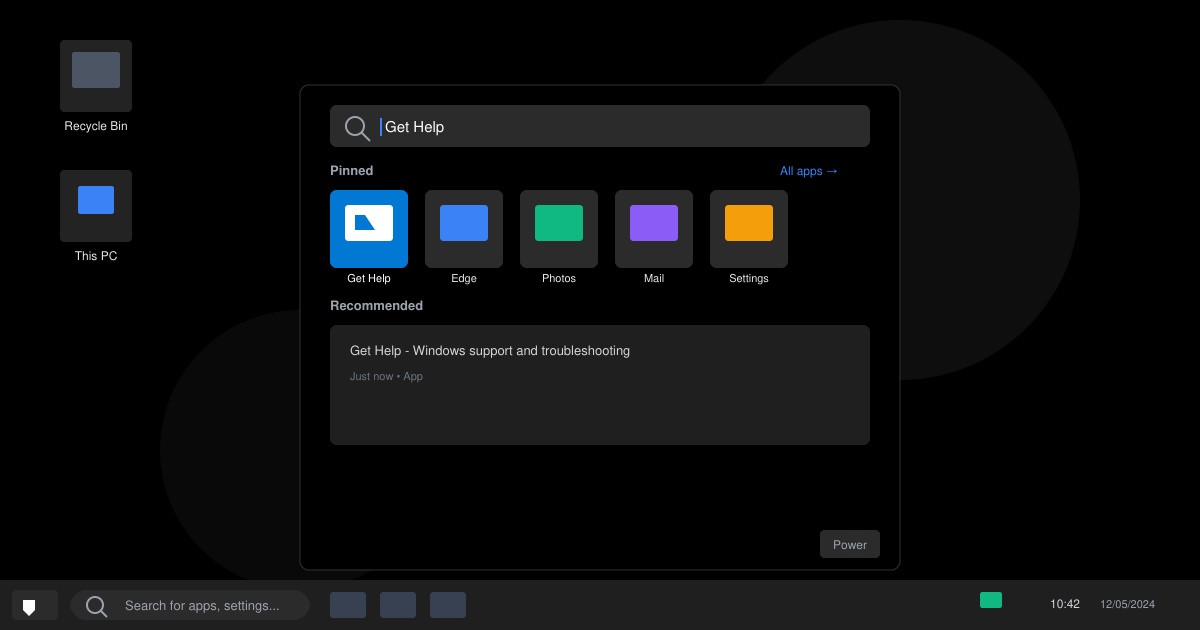
- Audio Troubleshooter: Settings > System > Troubleshoot > Other troubleshooters. Run the "Playing Audio" one—it auto-detects and fixes channel issues.
- SFC and DISM Scans: Open Command Prompt as admin. Run "sfc /scannow" to repair corrupted files. If needed, follow with "DISM /Online /Cleanup-Image /RestoreHealth." Restart after.
- Update Windows: Settings > Windows Update > Check for updates. Install any pending ones, as recent patches address audio bugs.
Thumbs up if this revives your audio! 👆 But if hardware seems suspect, read on for final checks.
Step 5: Hardware and Advanced Fixes
If software tweaks fall short, it might be hardware-related. Test with different headphones to isolate. For persistent right side headphones not working Windows 11, try:
- BIOS Update: Enter BIOS (usually Del key on boot) and check for audio settings, or update via your manufacturer's tool.
- Clean Boot: Search "msconfig," hide Microsoft services, disable third-party ones, and reboot. This pinpoints conflicting apps.
- Professional Help: If nothing works, it could be a faulty audio jack or card—consider a tech repair.
![Windows 11 troubleshooter interface for audio issues]()
Prevent Future Audio Glitches in Windows 11
To keep headphones only working on one side from returning, maintain drivers monthly and avoid sketchy audio apps. Enable automatic updates and use reliable peripherals. Your ears deserve the best—happy listening!
Got it fixed? Share your success in the comments below. If you're still stuck, drop details for more tailored advice. We've helped thousands balance their sound— you're next! 😊
For official guidance, check Microsoft's support: Microsoft Audio Troubleshooting.