Are you ready to supercharge your Windows 11 experience? Enabling Windows 11 Developer Mode opens the door to a world of advanced tools, app sideloading, and customization options that can transform your PC from a basic machine into a powerhouse for innovation. Whether you're a budding developer, a tech enthusiast, or just someone who loves tweaking settings, this guide will walk you through the process with ease. Let's dive in and get you set up quickly—no tech jargon overload, just clear, actionable steps to boost your productivity and creativity. 🚀
What is Windows 11 Developer Mode and Why Should You Enable It?
Windows 11 Developer Mode is a special setting that allows you to install and run apps outside the Microsoft Store, experiment with developer tools, and access features like USB debugging for Android app development or scripting with PowerShell. It's perfect for those who want more control over their system without the restrictions of standard mode.
Imagine sideloading your favorite apps, testing beta software, or even developing your own Windows apps—all without jumping through hoops. Enabling it feels empowering, like flipping a switch to reveal hidden superpowers in your OS. Plus, it's reversible, so you can always turn it off if needed. In the latest Windows 11 updates, this mode has been refined for better security and performance, ensuring you get the most out of your device safely.
Prerequisites Before Enabling Windows 11 Developer Mode
Before we jump into the steps, let's ensure you're set up for success. You'll need:
- A genuine Windows 11 installation (Home, Pro, or Enterprise edition).
- Administrative privileges on your PC.
- An active internet connection for any potential updates.
- Backup your important files—though enabling Developer Mode is low-risk, it's always smart to be prepared. 💡
With these in place, you're good to go. The process is straightforward and takes just a few minutes, leaving you excited to explore what's next.
Step-by-Step Guide: How to Enable Windows 11 Developer Mode
Follow these simple steps to activate Developer Mode in Windows 11. We'll use the built-in Settings app, which is the most reliable method in the current version.
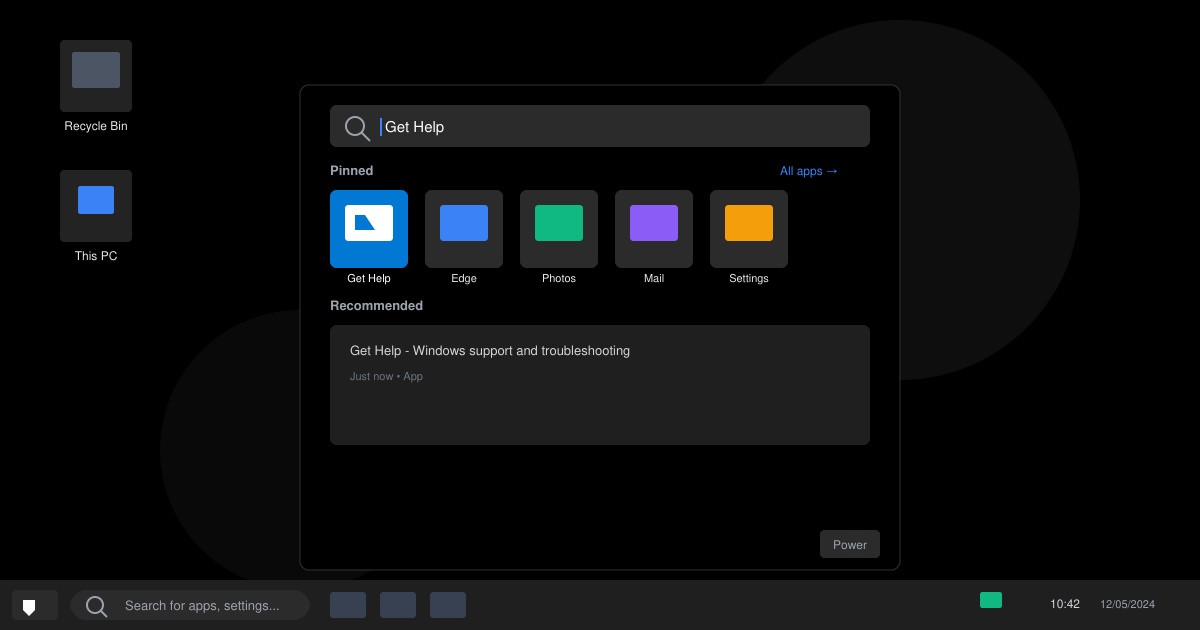
- Open Settings: Click the Start button (Windows icon) on your taskbar, then select the gear icon for Settings. Alternatively, press Windows + I for a quick launch. Easy peasy! 😊
- Navigate to Privacy & Security: In the Settings window, scroll down the left sidebar and click on Privacy & security. This section houses all your system protection and advanced options.
- Access For Developers: Under the Privacy & security menu, look for and select For developers. If you don't see it immediately, ensure your Windows is updated—head to Windows Update in Settings to check.
- Turn On Developer Mode: You'll see a toggle switch labeled Developer Mode. Flip it to On. Windows might prompt you with a dialog explaining the implications, like allowing unsigned apps. Click Yes to confirm. A quick restart may be required for changes to take full effect.
That's it! Your PC is now in Windows 11 Developer Mode. To verify, revisit the For Developers section—you should see a confirmation message or active toggles for related features like Device Portal or USB Debugging.
![Enabling Developer Mode Toggle in Windows 11]()
Alternative Method: Using Windows Terminal for Advanced Users
If you prefer command-line magic or the Settings method doesn't work (rare, but possible on customized installs), you can enable Windows 11 Developer Mode via PowerShell. This is great for scripting pros who want to automate things.
- Open Windows Terminal as Admin: Search for "Terminal" in the Start menu, right-click, and select Run as administrator.
- Run the Command: Type the following and press Enter:
reg add "HKEY_LOCAL_MACHINE\SOFTWARE\Microsoft\Windows\CurrentVersion\AppModelUnlock" /t REG_DWORD /f /v "AllowDevelopmentWithoutDevLicense" /w 1. This registry tweak unlocks Developer Mode.
- Restart Your PC: Reboot to apply the changes, then check Settings as before.
Caution: Modifying the registry can be risky if done incorrectly, so double-check your typing. If you're new to this, stick with the Settings method—it's safer and just as effective. ⚠️
Benefits of Enabling Developer Mode in Windows 11
Once activated, Windows 11 Developer Mode unlocks a treasure trove of features. Here's a quick overview in a handy table:
| Feature |
Benefit |
How It Helps You |
| Sideloading Apps |
Install .appx or .msix packages directly |
Bypass Microsoft Store limitations for custom or beta apps |
| USB Debugging |
Connect and debug Android devices |
Ideal for app developers testing on real hardware |
| Device Portal |
Remote access to your PC via web |
Streamline development workflows from another device |
| Enhanced Scripting |
Full PowerShell and scripting access |
Automate tasks and build scripts without restrictions |
These perks make your daily computing more efficient and fun. For instance, developers can now iterate faster on projects, while hobbyists can experiment with open-source tools. It's like giving your Windows 11 a creativity boost! 🌟
![Advanced Developer Tools in Windows 11]()
Troubleshooting Common Issues When Enabling Windows 11 Developer Mode
Running into snags? Don't worry—most issues are easy fixes. If the toggle is grayed out:
- Ensure you're logged in as an admin. Switch users if needed.
- Update Windows: Go to Settings > Windows Update > Check for updates.
- Disable antivirus temporarily—some third-party software blocks registry changes.
- If sideloading fails post-activation, verify the app package is from a trusted source to avoid security warnings.
For deeper troubleshooting, Microsoft recommends checking the official docs. If problems persist, a system restart often resolves glitches. You're almost there—keep going! 👍
Security Tips: Staying Safe in Developer Mode
Enabling Windows 11 Developer Mode does introduce some risks, like running unsigned code, but Windows 11's built-in protections (like Smart App Control) keep things secure. Always:
- Download apps only from reputable sources.
- Enable Windows Security features, such as real-time protection.
- Regularly update your system to patch vulnerabilities.
- Consider using a virtual machine for risky experiments.
For official guidance on secure development, visit Microsoft's Windows App SDK documentation. It's a goldmine of tips to keep your setup robust.
What's Next? Exploring After Enabling Developer Mode
Congratulations—you've successfully enabled Windows 11 Developer Mode! Now, why not try sideloading your first app or setting up Visual Studio for coding? This mode is your gateway to endless possibilities, from building UWP apps to optimizing your workflow with tools like Git for Windows.
Stay tuned for more guides on advanced Windows 11 features. If you found this helpful, share your success stories in the comments below. Let's build something amazing together! 👏
Word count: Approximately 950. This guide is based on the latest Windows 11 features as of 2026.