Leftover Halloween Candy and Pumpkins: What to Do Next

Sort leftover Halloween candy safely, share or repurpose sealed treats, and choose food use or compost for pumpkins based on their condition.
Google has introduced a brand new password manager that works pretty well for the average user. The built-in password manager has all the basic features you need. These include syncing passwords across devices, automatic sign-ins on compatible sites, password generation and auto-fill, and more.
If you already have passwords in a CSV file and want to import them into Chrome, you can easily do this in the Google Chrome browser .
Note :
When you import, Chrome won't delete any existing passwords. Keep in mind that the CSV file needs to be in a specific format for Chrome to import correctly. That format is as follows:
name,url,username,passwordDouble-check your CSV file to make sure it follows the above format. If it doesn't, modify the CSV file to match the format and remove any unnecessary information.
Why import passwords from CSV file into Google Chrome?
There are a number of reasons why you might want to import your passwords into Chrome. Maybe you've switched to Chrome from another browser and you want to bring all your saved passwords with you.
Or maybe you've deleted your saved passwords in Chrome. In that case, you can still import your password backup file (if you have one) to gain access to your saved passwords.
Create CSV file containing saved passwords
To create a CSV file containing your saved passwords in Firefox, follow these steps:
1. Launch Firefox.
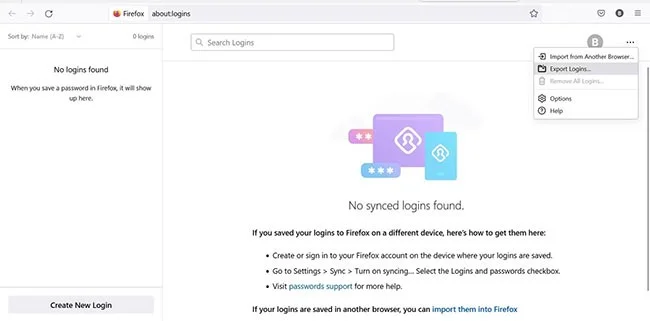
2. In the top right corner, click the three horizontal lines, then click Passwords.
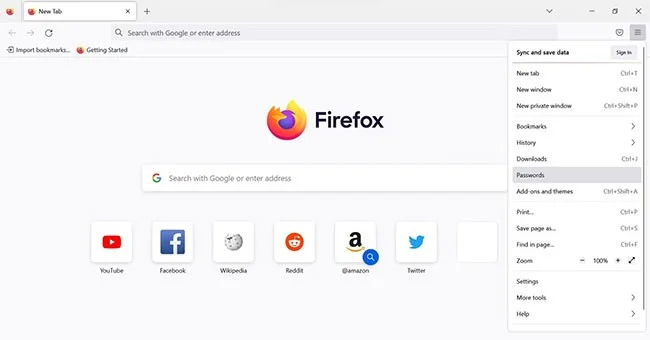
3. In the top right corner, click the three horizontal dots and click Export Logins… from the drop-down menu.
4. Click Export... in the pop-up window.
5. You may be asked to enter your login information, depending on your operating system's security settings.
6. Select the location where you want to save the CSV file and press Enter.
Of course, the steps will be similar for whatever browser you use.
How to import passwords from CSV file into Google Chrome
Once you have your CSV file, follow the steps below to import passwords directly into your Google account:
1. Open Chrome.
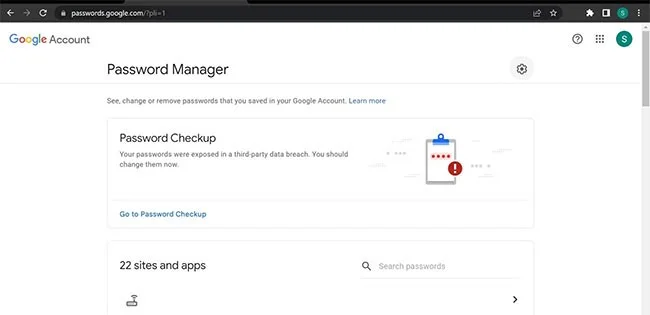
2. To open the password manager, copy and paste the following URL into Chrome's address bar:
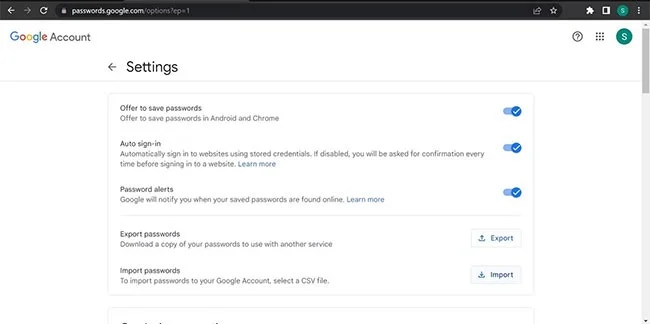
password.google.com3. In the upper right corner, click the gear icon.
4. Click the Import button.
5. Enter your Google account password.
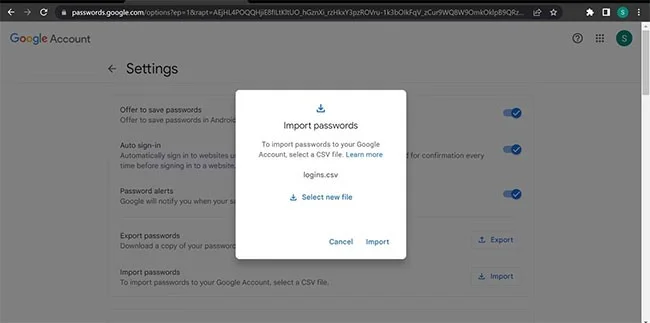
6. Click Select file and select the CSV file from your device.
7. Click Import once the file has been uploaded.
8. Then click Done.
The above steps will add all your passwords to your Google account. Use that account to sign in to Chrome and they will start autofilling.
Sort leftover Halloween candy safely, share or repurpose sealed treats, and choose food use or compost for pumpkins based on their condition.
Compare workplace Halloween costume choices by respect, dress code, mobility, and safety—and learn when a subtle accessory or a policy check is the better option.
Find a couples costume that fits your style, budget, and comfort level, from Addams Family classics to original inside-joke duos.
Need a last-minute high school Halloween costume? Compare 10 easy closet-based ideas by prep time, comfort, school-day practicality, and simple safety checks.
Use a simple 2026 Halloween decorating timeline for indoor décor, outdoor displays, and fresh pumpkins, with practical adjustments for weather and events.
Mix five vivid, approachable Halloween cocktails with measured recipes, simple prep tips, and an alcohol-free option for your party guests.
Find 15 office-friendly Halloween costume ideas for 2026, with practical checks for dress codes, respectful themes, comfort, and workplace safety.
Plan a fun elementary school Halloween party with easy crafts, games, inclusive treats, costume tips, and a sample 75-minute classroom schedule.
Compare realistic side hustles for 2026 by startup cost, fees, flexibility, and income control, with current tax and scam guidance from official sources.
Upgrade your home office ergonomics with current OSHA and NIOSH guidance on chair fit, monitor height, laptop setup, lighting, and movement.








