Desk Decorating Ideas for a Spooky Office Cubicle
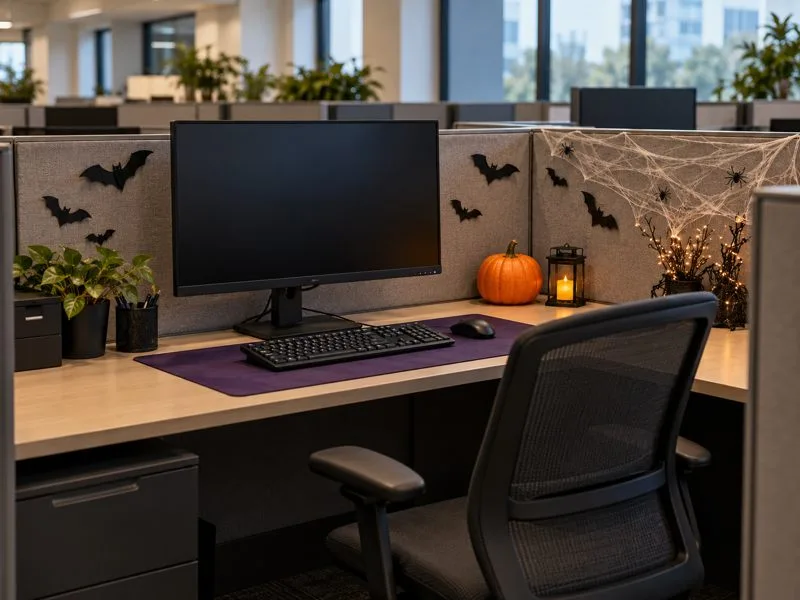
Create a spooky office cubicle with Halloween desk decor ideas that keep your workspace usable, tidy, and mindful of workplace safety.
Maintaining your laptop's performance for years requires regular care and smart use. Here's how to do it!
Table of Contents
Dust is one of the silent killers of laptops. Dust builds up over time, blocking the vents and causing the machine to overheat, reducing the lifespan of the laptop. Many people overlook this, but make it a habit to clean it weekly, monthly, and annually to ensure that dust and debris don’t build up on your laptop. Here’s how to clean it:
Dust buildup may seem minor, but over time it can lead to hardware failure. Regular cleaning will prevent this and keep your laptop quiet and cool.
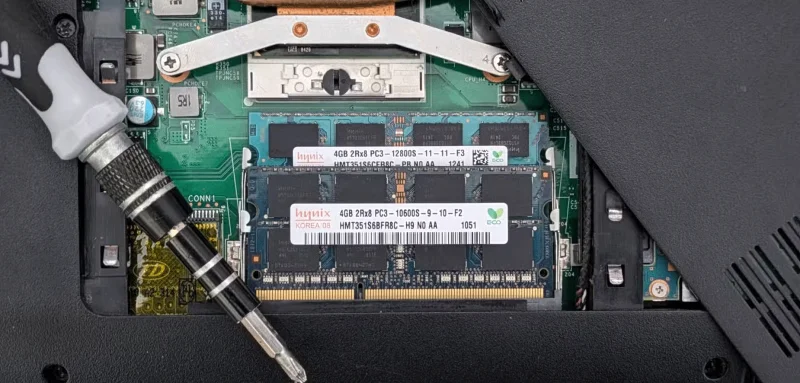
Over time, software demands increase, which can strain your laptop’s resources. To remedy this, you can upgrade your RAM to a larger capacity and replace your hard drive with a faster SSD . Upgrading your RAM will improve your laptop’s multitasking capabilities and provide better performance in certain tasks. Upgrading your SSD will provide a noticeable improvement in responsiveness, boot times, and loading times for certain types of games.
Note that some laptops offer more upgradeability than others. Thin and light laptops are often limited to SSD upgrades, while gaming laptops often allow for RAM and SSD upgrades with higher speeds and capacities.
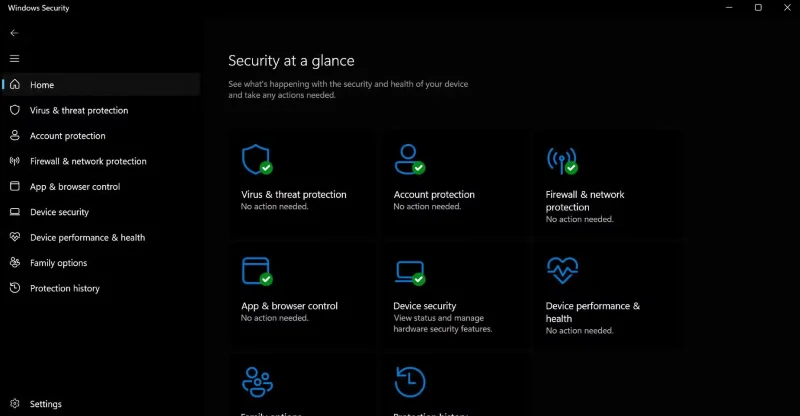
Keeping your laptop virus and malware free is essential for long-term performance and security. Malware can slow down your system, steal your data, or damage your hardware. That's why regular virus scans and system protection are a priority.
Many people like to use Windows Defender because it is free, lightweight, effective, and provides constant updates to address the latest threats. Here's how you can use it to keep your laptop safe:
In addition to using Windows Defender, browse the web safely and avoid downloading files from untrusted sources. By staying vigilant and using trusted tools, you can keep your laptop safe, secure, and running smoothly year after year.
Hibernate and Shutdown will help you manage your laptop's status:
Choose the appropriate mode based on your usage habits, this helps save energy and maintain system stability.
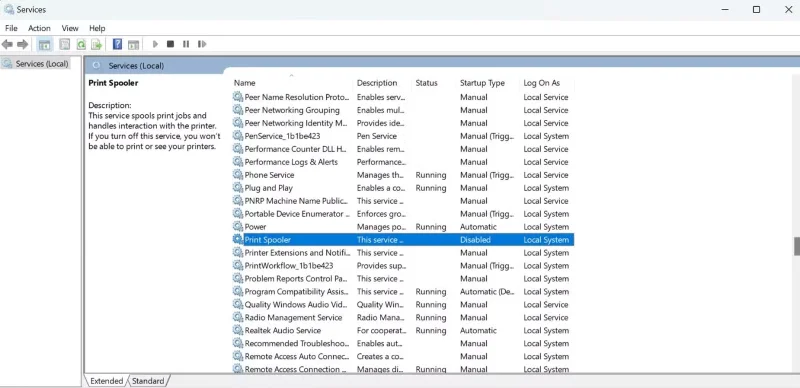
One of the things that slows down your laptop is through background processes. These are service applications that run silently, even when you’re not using them. Regularly review and disable these services. Here’s how to disable third-party processes and applications:
Here are the services that should be disabled or set to Manual:
|
Process |
Purpose |
Why should it be disabled or set to Manual? |
|
Print Spooler |
Manage print jobs for your connected or network printers. |
Turn this feature off if you don't use the printer; it won't affect your system unless you try to print something. |
|
Windows Update |
Manage Windows updates. |
Consider manually installing instead of disabling completely to ensure important updates are applied. |
|
Fax Service |
Fax support. |
Turn it off unless you are using a fax machine, which is rare for most users. |
|
Remote Desktop Services |
Manage remote desktop connections. |
Turn it off if you are not remotely connecting to your laptop. |
|
Xbox Services |
Used to connect to Xbox apps and gaming features. |
Turn it off if you're not using the Xbox app or playing PC games. |
|
Windows Error Reporting |
Log errors and send reports to Microsoft. |
Turn this off if you don't want to send error reports to Microsoft, but keep in mind that this can be useful for diagnostics. |
|
Background Intelligent Transfer Service (BITS) |
Transfer data in the background for services like Windows Update. |
Turn this off if you're managing updates manually, but this may affect other system features like app updates. |
|
Remote Registry |
Allows remote access to your Windows Registry. |
Disable for added security, unless needed in specific cases. |
This step not only saves CPU and RAM but also improves battery life. By cutting these processes, performance will be significantly improved, especially on older laptops.
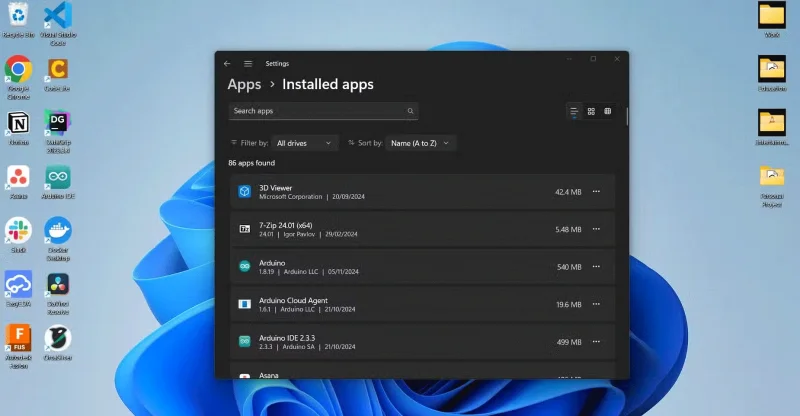
Apps and browser extensions can bloat your system if left unchecked. They take up storage space, consume resources, and can even slow down your Internet experience. Limit installation to essential tools and periodically review and uninstall those you no longer need. These habits help keep your system streamlined and responsive:
A lean system is a fast system. Keeping things to a minimum has kept laptops responsive and clutter-free for years.
Programs that launch at startup can significantly impact boot time. Use Task Manager to disable unnecessary startup programs. This adjustment has significantly improved the boot speed of your laptop.
This change will shorten boot times. It also means fewer background processes running during sessions, which should improve overall performance.
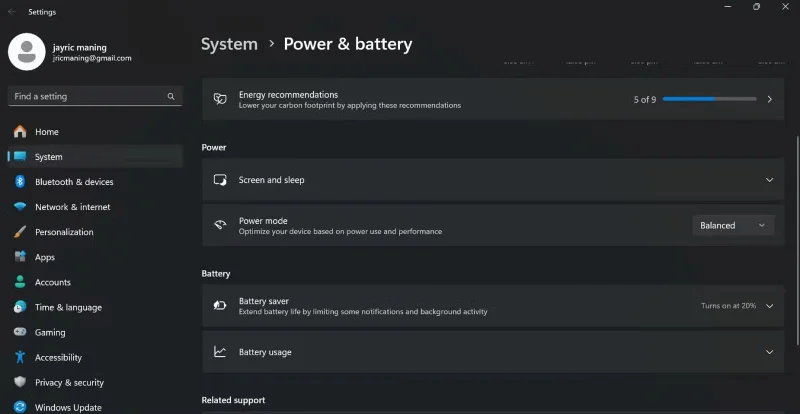
Understanding and using power settings can have a significant impact on the lifespan of your laptop. Your laptop's performance and battery life depend heavily on how you use its power modes. Many people leave it on a single mode, but switch between modes depending on what you're doing. Here's how:
In addition to switching modes, you should also calibrate your battery when it is new. This involves charging it to 100%, then letting it drain completely. This helps your laptop provide an accurate battery percentage and prolongs battery life. Repeat this process every few months.
The key to keeping your laptop running like new for years to come isn't complicated, but it does require some effort. Regular cleaning, smart use, and occasional upgrades will go a long way. By following these steps, your laptop will run fast, efficiently, and reliably for many years to come.
Create a spooky office cubicle with Halloween desk decor ideas that keep your workspace usable, tidy, and mindful of workplace safety.
Plan a recognizable Halloween 2026 look with pop culture costumes inspired by Spider-Man, Supergirl, Toy Story 5, Moana, Mario, and Wednesday.
Sort leftover Halloween candy safely, share or repurpose sealed treats, and choose food use or compost for pumpkins based on their condition.
Compare workplace Halloween costume choices by respect, dress code, mobility, and safety—and learn when a subtle accessory or a policy check is the better option.
Find a couples costume that fits your style, budget, and comfort level, from Addams Family classics to original inside-joke duos.
Need a last-minute high school Halloween costume? Compare 10 easy closet-based ideas by prep time, comfort, school-day practicality, and simple safety checks.
Use a simple 2026 Halloween decorating timeline for indoor décor, outdoor displays, and fresh pumpkins, with practical adjustments for weather and events.
Mix five vivid, approachable Halloween cocktails with measured recipes, simple prep tips, and an alcohol-free option for your party guests.
Find 15 office-friendly Halloween costume ideas for 2026, with practical checks for dress codes, respectful themes, comfort, and workplace safety.
Plan a fun elementary school Halloween party with easy crafts, games, inclusive treats, costume tips, and a sample 75-minute classroom schedule.