When to Start Decorating for Halloween in 2026

Use a simple 2026 Halloween decorating timeline for indoor décor, outdoor displays, and fresh pumpkins, with practical adjustments for weather and events.
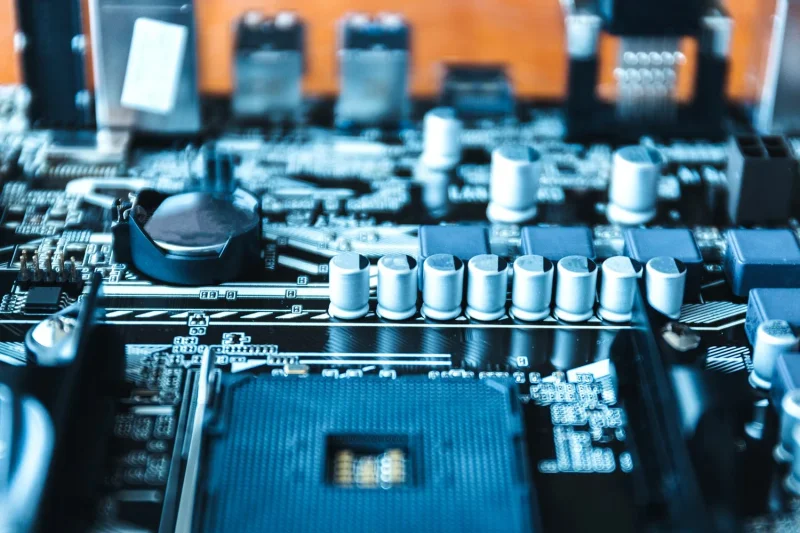
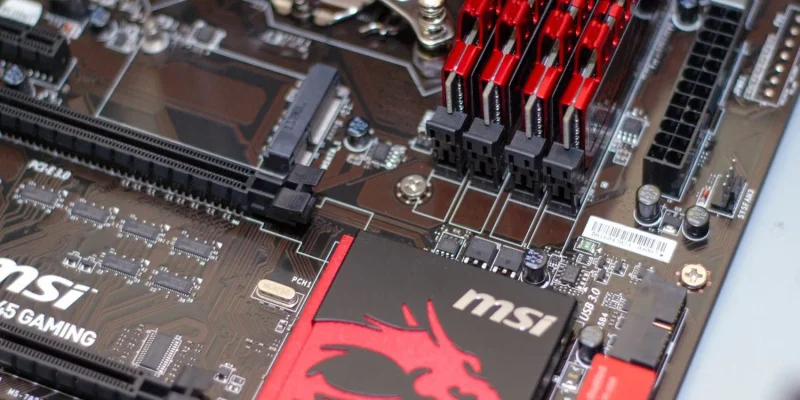
The motherboard is a very technical piece of hardware with many small electronic devices scattered around it, providing power and sending information to the rest of the computer. However, did you know that the entire board is powered by a simple CR2032 battery (CMOS battery)?
But what exactly is this CMOS battery and what does it do? More importantly, if it dies, how do you replace it?
What is CMOS battery? What is its function?
CMOS (Complementary Metal Oxide Semiconductor) is a chip on your motherboard that stores BIOS information . Since the BIOS handles low-level tasks before the PC boots and eventually hands off the process to the operating system, it doesn't have a chance to access the hard drive or SSD .
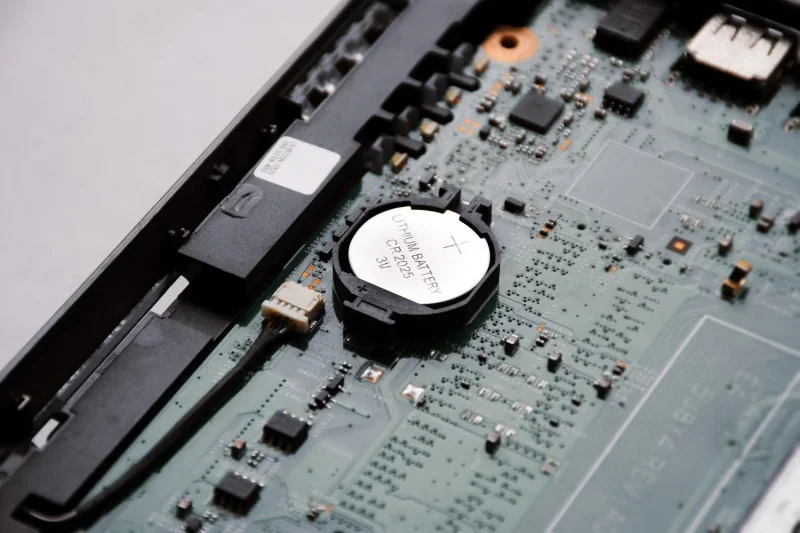
This means that BIOS information such as the system date and time, and hardware settings such as voltage, chip speed, and boot priority are stored on a separate CMOS chip. This chip must also be powered on to prevent this information from being erased. On most computers, the CMOS chip is powered by a CMOS battery, a CR2023 battery similar to the one in a watch.
Every time you start your computer, the BIOS reads the CMOS data and starts the system in its last state. If you make any changes to the BIOS settings, the CMOS chip is overwritten to save this data and ensure that the computer boots with the updated settings. Newer motherboards boot into UEFI instead of BIOS, but the basics are the same.
The CMOS battery is responsible for doing this. The CMOS also needs to keep track of the real-time date and time, so if the time on your computer is incorrect, you may want to replace the CMOS battery. Since you need to access the BIOS before your computer can boot, the CMOS battery is absolutely necessary.
In fact, not having a CMOS battery can essentially ruin your computer, as the motherboard may not boot without it. Therefore, it is important to pay attention to the CMOS battery on your motherboard. However, they usually last a decade or more, so you won't have to replace them very often.
Do laptops have CMOS batteries?
Yes, laptops also have CMOS batteries. However, the exact shape and size can vary. With the compact size of laptops over the years, it has been a challenge to fit a large CR2023 battery into a laptop motherboard.
Depending on the laptop and its age, it may have a smaller CMOS battery, often located on the invisible side of the motherboard. This can make replacing the CMOS battery a nightmare, but laptop CMOS batteries last longer than desktop batteries and will likely not need to be replaced over the life of the laptop.
Laptops with built-in batteries may operate differently. Since the battery is not required to be removed unless the laptop is being repaired, some manufacturers use the laptop battery or RTC battery soldered to the CMOS.
In any case, although laptops have CMOS batteries, replacing them can be difficult. However, they are built to last the life of the laptop, so you don't need to worry too much about it.
When to replace CMOS battery?
In addition to a dead CMOS battery, there are a number of other factors that may require a CMOS battery replacement. If your CMOS battery is failing, you may see the following errors appear during startup:
The “New CPU Installed” error can be confusing, especially if you haven’t replaced your CPU since your last boot. Since the BIOS stores all of your system’s hardware information, if the CMOS battery dies or fails, this information will be erased. This means that the motherboard doesn’t remember your CPU and thinks you’re using a new CPU.
However, most new motherboards store important information in non-volatile memory, so if the CMOS battery dies, your system will, at worst, lose its time settings. However, if you’re still using an older motherboard, here are some of the best DDR5 motherboards to help you upgrade.
A dead CMOS battery can also be a symptom of a failing motherboard. Replacing or “unplugging” the CMOS battery is also a good way to reset your BIOS to fix any problems you may be having. That doesn’t mean you should replace your CMOS battery every few months, but it’s a good idea to replace it when updating components or doing general maintenance.
How to replace CMOS battery
As long as you're working on a desktop, replacing the CMOS battery is as simple as removing the side panel, locating the battery, and replacing it with the correct one. It's no different than replacing the batteries in a TV remote; just make sure you get the right battery and insert it the right way.
However, you should take some safety precautions during this process. First, power down your PC and unplug it from the wall outlet to avoid static discharge or other residual power from damaging your motherboard. You should also note the orientation of the battery so you can remember how to put the new battery back in.
Finally, not all motherboards use the CR2023 CMOS battery. If you are using a motherboard that is specially made or is quite small, the manufacturer may use a different type of battery. In any case, most, if not all, batteries have the model number and relevant information printed or engraved on them, so finding a replacement is just a matter of Googling.
The CMOS battery is a small but important part of your motherboard that needs attention from time to time. Simply removing and re-inserting the battery can reset your BIOS, which is a handy way to troubleshoot otherwise hard-to-diagnose issues. It's important to pay attention to little things like this on your PC because they can make a big difference in the end the next time your PC crashes.
See also:
Use a simple 2026 Halloween decorating timeline for indoor décor, outdoor displays, and fresh pumpkins, with practical adjustments for weather and events.
Mix five vivid, approachable Halloween cocktails with measured recipes, simple prep tips, and an alcohol-free option for your party guests.
Find 15 office-friendly Halloween costume ideas for 2026, with practical checks for dress codes, respectful themes, comfort, and workplace safety.
Plan a fun elementary school Halloween party with easy crafts, games, inclusive treats, costume tips, and a sample 75-minute classroom schedule.
Compare realistic side hustles for 2026 by startup cost, fees, flexibility, and income control, with current tax and scam guidance from official sources.
Upgrade your home office ergonomics with current OSHA and NIOSH guidance on chair fit, monitor height, laptop setup, lighting, and movement.
Learn why emotional intelligence matters in leadership, where it helps most, how to strengthen it, and how to tell whether your approach is working.
A practical roadmap for moving into tech without a degree: choose an accessible role, build job-ready skills, prove them with projects, and use hiring feedback to improve.
Build a credible LinkedIn personal brand in 2026 with current profile, content, newsletter, analytics, verification, and visibility guidance from LinkedIn.
Quiet quitting and quiet firing are catchy labels, not diagnoses. Learn what is verified, what depends on context, and what employees and managers can do next.