Build a Custom AppArmor Profile on SUSE Linux
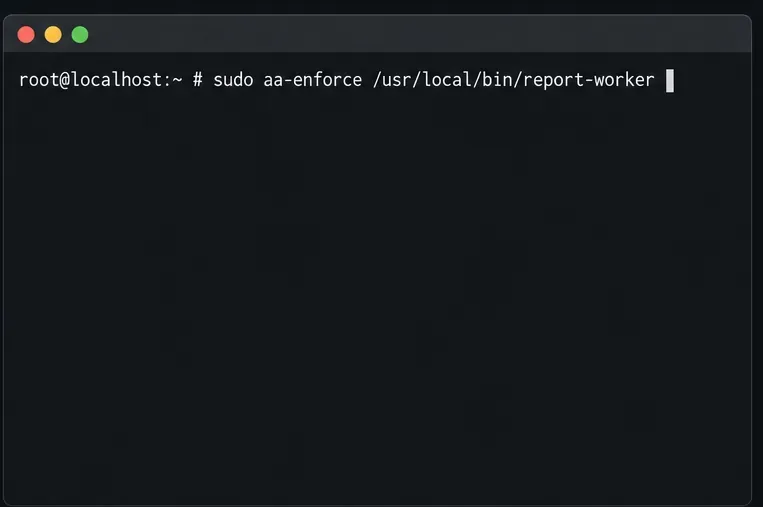
Create, refine, and verify a least-privilege AppArmor profile on SLES 15 SP7, with a clear note on SLES 16’s SELinux default.
With AI integration in Notepad on Windows 11, you can use the rewrite tool to change the style and length of notes as well as rewrite selected text. This helps us get more satisfactory, professional text for other purposes. Below is a guide to rewriting Notepad text with AI.
How to rewrite Notepad text with AI
Step 1:
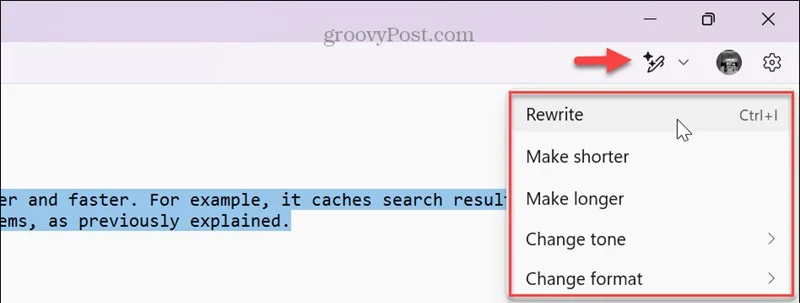
Open the Notepad app on your computer, then type text as usual. You need to log in to your Microsoft account if you haven't already. Then highlight the content you want to rewrite , then click on the pen icon next to the profile icon in the upper right corner and select the rewriting style you want.
Step 2:
The AI tool will adjust the content according to the style you choose. We read the content, the rewritten text. If you are satisfied, click Replace to replace the original text in Notepad.
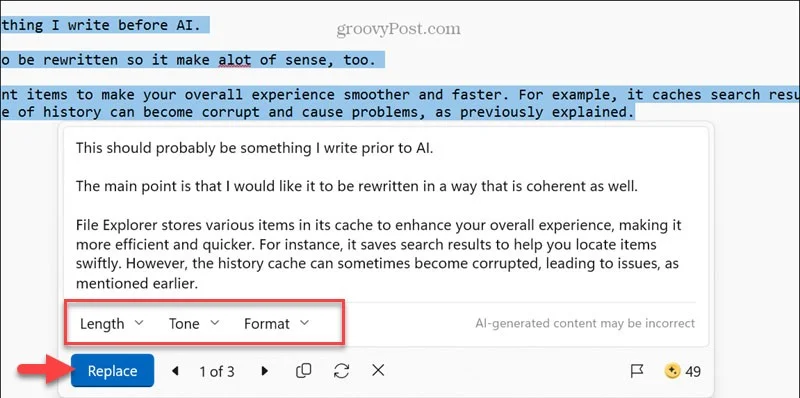
Step 3:
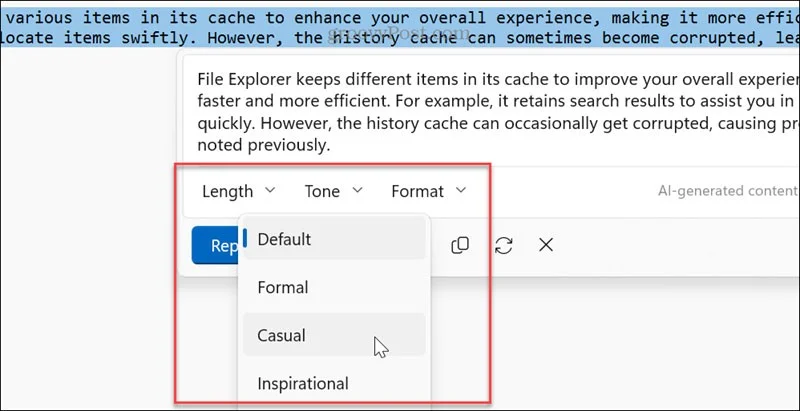
Additionally, users also have the option to change the length, tone, and format by selecting options from the drop-down menu in the suggested text.
Depending on the need for the text, we choose the right type of change.
Note Notepad requires Windows Insider Canary or Dev version 11.2410.15.0 or later and is not available for Windows 10.
Create, refine, and verify a least-privilege AppArmor profile on SLES 15 SP7, with a clear note on SLES 16’s SELinux default.
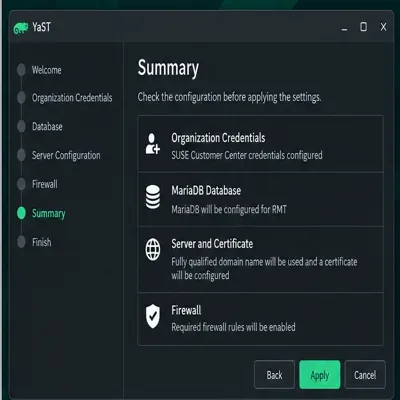
Set up RMT on SLES 15, mirror entitled repositories, and verify HTTPS registration and package access from a test client.
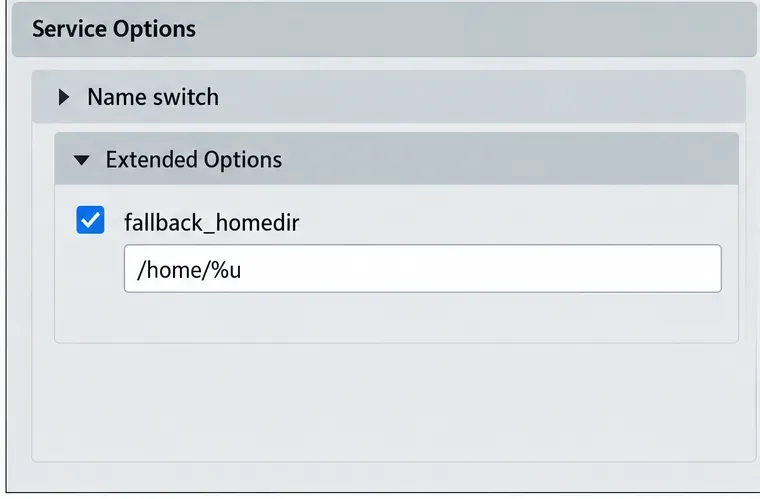
Connect SLES 15 to AD with YaST’s SSSD-based logon management, then verify directory lookup, domain login, and Kerberos tickets.
Set up the right Live Patching path for SLES 16.0 or 15 SP7, apply eligible kernel fixes, and confirm what is active without confusing it with a reboot-required kernel update.
Load a custom SLES 15 kernel module without disabling Secure Boot. Match the running kernel, sign the .ko file, enroll a MOK key, and verify loading.
SLES 15 SP5 can migrate online to SP6, but each node must reboot. Use a tested rolling upgrade or blue-green cutover to keep workloads reachable.
Use SUSE’s supported STIG profile to scan SLES 15, test remediation, review remaining findings, and retain assessment evidence.
Trace a failed Cockpit connection through DNS, port 9090, the systemd socket, firewalld, TLS, and login settings using current SUSE guidance.
Create a redundant Ethernet connection on SLES 15 with YaST and Wicked, configure active-backup bonding, and verify both ports and failover.
Turn an existing SLES 15 system into a reviewed AutoYaST profile, validate it, and use it to deploy a test server with fewer manual steps.