Desk Decorating Ideas for a Spooky Office Cubicle
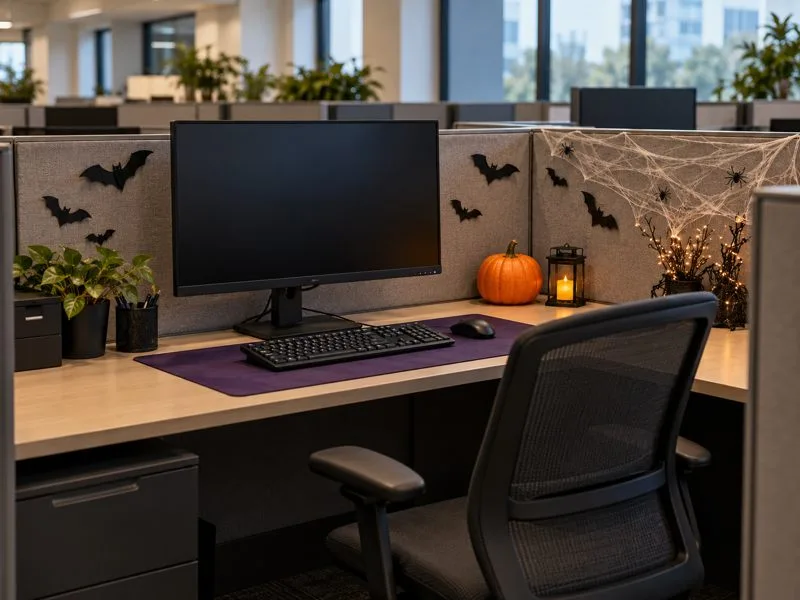
Create a spooky office cubicle with Halloween desk decor ideas that keep your workspace usable, tidy, and mindful of workplace safety.
When it comes to meal timing and portion sizes, there is a lot of debate about whether to eat smaller meals or three larger meals. So, which is better for you, smaller or larger ? Let’s find out!
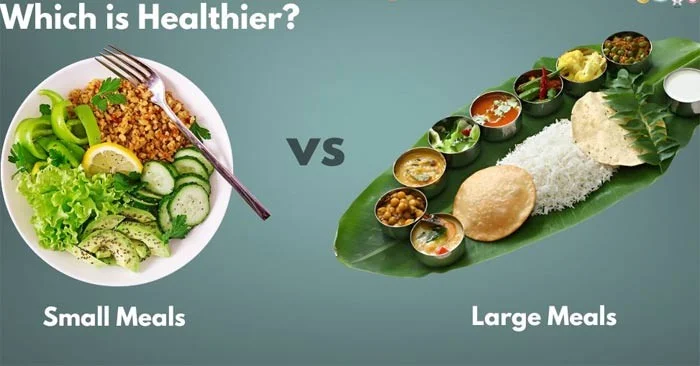
Both forms have their own pros and cons, and understanding which option might be healthiest for you is key to maintaining a balanced lifestyle.
What is a mini meal?
Micro-meals typically involve eating smaller portions throughout the day—usually four to six times—instead of one or two large meals. The idea behind this is that by eating smaller amounts more frequently, you can keep your metabolism running smoothly and avoid overeating. This eating pattern is especially appealing to people who are trying to lose weight or maintain steady energy levels throughout the day.
Benefits of eating small meals
Better digestion: Eating smaller meals gives your digestive system less work to do at once, which reduces bloating, indigestion, or discomfort. Your body doesn't feel overwhelmed by large amounts of food and can process nutrients more efficiently.
Steady Energy Levels: By eating smaller meals more frequently, your blood sugar levels will be more stable throughout the day. This can prevent sudden drops in energy and help you feel more energized without the crash that often occurs after a large meal.
Reduce hunger and overeating: Many people find that eating smaller, more frequent meals helps them feel full longer and reduces cravings. Because you eat regularly, you'll be less tempted to snack excessively between meals.
Aids weight loss: When combined with healthy food choices, smaller meals can promote weight loss by regulating appetite and preventing overeating. However, it is essential to choose nutrient-dense, low-calorie foods to be effective.
What is a big meal?
On the other hand, many people traditionally eat 2 to 3 main meals a day. While this may seem like a more natural approach, large meals have their own pros and cons.
Benefits of eating large meals
Satisfaction and fullness: Larger meals can make you feel fuller for longer because you have consumed a larger amount of food. This is especially helpful for people who like to feel full after eating and have difficulty eating many small meals.
Fewer Meal Prep Sessions: With larger meals, you don’t have to worry about preparing food as often. You can make a big batch and eat within hours, saving you time and effort in cooking and meal planning.
More flexibility: Larger meals can be more convenient for people with busy lifestyles. If you can sit down to eat one or two large meals a day, you may find it easier to keep track of work or other activities without frequent snack breaks.
Better for building muscle: For people who are focused on gaining muscle or engaging in high-intensity physical activity, larger meals can be beneficial because they provide a larger amount of calories and protein in one sitting. This helps the body recover and grow stronger over time.
Is it better to eat small meals or large meals?
Now that you know the benefits of both small meals and large meals, it's time to compare them and see which meal might be healthier for you.
1. Metabolism and weight management
Some studies have shown that eating smaller, more frequent meals can boost metabolism slightly, while other studies have shown no significant difference between eating smaller meals and three larger meals. The key to healthy weight management is what you eat rather than how many meals you eat. Regardless of the format you choose, the type of food you eat and the number of calories you consume will have the biggest impact on your health.
2. Control blood sugar
For people with blood sugar issues or at risk for diabetes, smaller, well-balanced meals may be a better option. Smaller meals can help regulate blood sugar levels while reducing insulin resistance. However, this doesn’t mean that larger meals can’t be part of a healthy diet—just be mindful of portion sizes and food choices.
3. Digestion and comfort
If you are prone to digestive problems like bloating, heartburn, or indigestion, eating smaller meals can help prevent overloading your digestive system. It can also help prevent discomfort associated with large, hard-to-digest meals at one sitting.
4. Hunger and fullness
One of the main benefits of eating larger meals is that you can feel fuller for longer. This is especially helpful for people who struggle with hunger between meals or find it difficult to stick to smaller portions. However, if overeating becomes a regular habit, it can lead to unwanted weight gain or digestive discomfort.
Which method works best for you?
Ultimately, which method is best for you depends on your personal health goals, lifestyle, and how your body responds to different diets. If you want to lose weight, increase your energy, or improve your digestion, smaller meals may be more effective. If you prefer larger, more satisfying meals, or have a high metabolism that requires more fuel, larger meals may better suit your needs.
However, there is no one-size-fits-all answer. It’s important to pay attention to how your body feels after a meal, how well you control your hunger, and whether you maintain a healthy weight and energy levels. It’s also important to note that quality is more important than quantity—filling your plate with nutrient-dense foods is the most important factor for overall health.
Create a spooky office cubicle with Halloween desk decor ideas that keep your workspace usable, tidy, and mindful of workplace safety.
Plan a recognizable Halloween 2026 look with pop culture costumes inspired by Spider-Man, Supergirl, Toy Story 5, Moana, Mario, and Wednesday.
Sort leftover Halloween candy safely, share or repurpose sealed treats, and choose food use or compost for pumpkins based on their condition.
Compare workplace Halloween costume choices by respect, dress code, mobility, and safety—and learn when a subtle accessory or a policy check is the better option.
Find a couples costume that fits your style, budget, and comfort level, from Addams Family classics to original inside-joke duos.
Need a last-minute high school Halloween costume? Compare 10 easy closet-based ideas by prep time, comfort, school-day practicality, and simple safety checks.
Use a simple 2026 Halloween decorating timeline for indoor décor, outdoor displays, and fresh pumpkins, with practical adjustments for weather and events.
Mix five vivid, approachable Halloween cocktails with measured recipes, simple prep tips, and an alcohol-free option for your party guests.
Find 15 office-friendly Halloween costume ideas for 2026, with practical checks for dress codes, respectful themes, comfort, and workplace safety.
Plan a fun elementary school Halloween party with easy crafts, games, inclusive treats, costume tips, and a sample 75-minute classroom schedule.