Is your Windows 11 PC running hot even when you're just browsing or idling? High CPU temperature at idle can be frustrating, leading to throttling, crashes, and reduced lifespan. Don't worry—it's a common issue, but with the right fixes, you can cool things down and enjoy a smoother, more reliable system. In this guide, we'll dive straight into actionable solutions to tackle high CPU idle temperature on Windows 11, helping you reclaim peak performance without the heat.

Why Is Your CPU Running Hot at Idle on Windows 11?
Before we jump into fixes, understanding the root causes empowers you to prevent future issues. On Windows 11, high CPU temperature idle often stems from background processes, outdated drivers, poor airflow, or software glitches. Recent updates have optimized power management, but they can sometimes amplify heat if not tuned properly. Factors like dust buildup or inefficient cooling hardware also play a role. The good news? Most problems are software-related and fixable right from your desktop. Let's cool it down step by step.
Step 1: Monitor and Diagnose Your CPU Temps
Start by tracking the issue. Use free, reliable tools like HWMonitor or Core Temp to check your CPU temperature. Idle temps above 50-60°C signal a problem—aim for under 40°C for optimal health. Open Task Manager (Ctrl + Shift + Esc) and sort by CPU usage to spot resource hogs.
- 🖥️ Tip: Enable "High Performance" mode in Power Options, but switch to Balanced for idle cooling.
- 🔍 Run a quick scan with Windows Security to rule out malware spiking your CPU.
Once diagnosed, you're ready to fix. This foundation keeps you informed and motivated as we proceed.
Step 2: Update Windows 11 and Drivers for Better Thermal Management
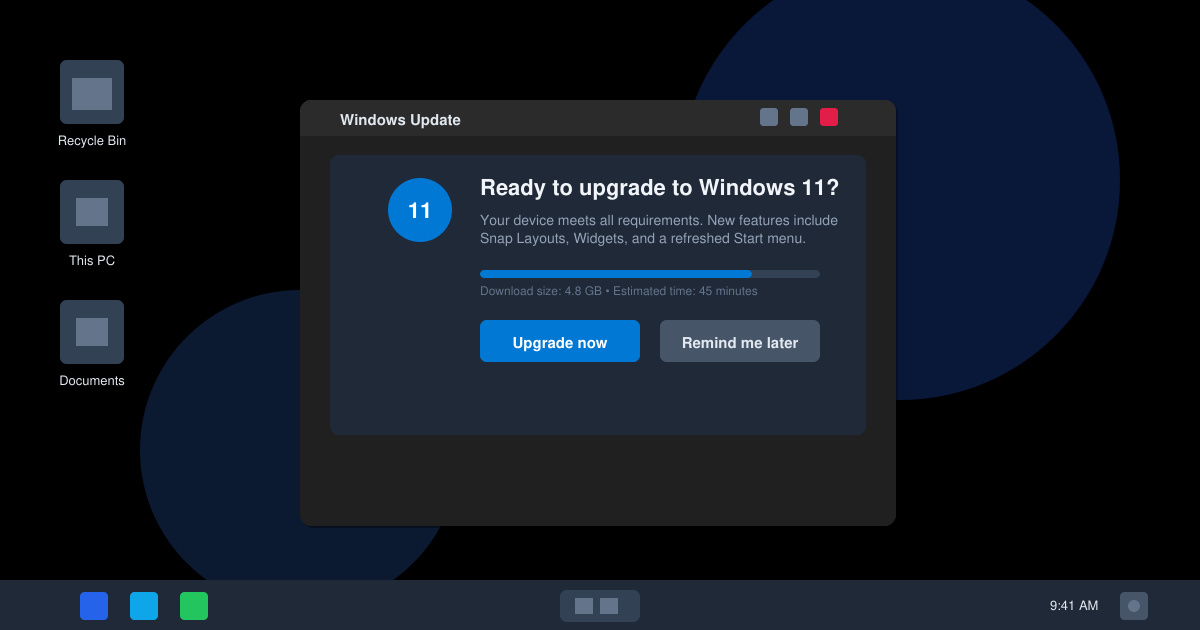
Outdated software is a prime culprit for Windows 11 high CPU temperature. Microsoft’s latest patches improve efficiency, reducing idle heat. Head to Settings > Windows Update and click "Check for updates." Install everything, including optional driver updates.
For graphics and chipset drivers, visit your manufacturer's site—NVIDIA, AMD, or Intel. Use their tools like GeForce Experience or Intel Driver & Support Assistant for seamless updates. These tweaks can drop temps by 10-15°C instantly.
![Windows 11 update screen for fixing CPU heat issues]()
Pro tip: After updating, restart and monitor temps. You'll feel the difference—your PC will hum quietly, not roar.
Step 3: Optimize Power Settings and Background Processes
Windows 11's power plans can inadvertently ramp up CPU activity at idle. Customize them for cooling:
- Go to Settings > System > Power & battery > Power mode, and select "Best power efficiency."
- 1️⃣ In Advanced Power Settings (search for it), set Processor power management to minimum states for idle.
- 2️⃣ Disable startup apps: Task Manager > Startup tab, end unnecessary ones like bloatware.
Background apps like Cortana or OneDrive sync can spike usage. Right-click in Taskbar > Task Manager > Processes, and end tasks eating CPU. For deeper control, use the built-in Resource Monitor.
| Common Culprits |
Fix |
Expected Temp Drop |
| Windows Search Indexing |
Pause via Services.msc |
5-10°C |
| Third-Party Antivirus |
Switch to Windows Defender |
Up to 15°C |
| Superfetch/SysMain |
Disable in Services |
8-12°C |
These changes are quick wins, making your system feel refreshed and responsive.
Step 4: Clean Hardware and Improve Cooling
If software tweaks aren't enough, hardware might be the issue. Dust clogs fans, causing high idle CPU temp. Power off, unplug, and use compressed air to clean vents and heatsinks. For laptops, elevate on a cooling pad.
Upgrade if needed: Apply fresh thermal paste (like Arctic MX-4) for better heat transfer. Ensure your case has good airflow—add fans if it's a desktop. Recent BIOS updates from motherboard makers often include better fan curves; check their support pages.
![Cleaning CPU fan to reduce Windows 11 idle temperatures]()
Imagine your PC running cool and silent— that's the reward for a little maintenance.
Step 5: Advanced Fixes for Persistent High CPU Temps
For stubborn cases, try these:
- ⚙️ Undervolt CPU: Use ThrottleStop (for Intel) or Ryzen Controller (AMD) to reduce voltage safely, cutting heat without performance loss.
- 🔧 Reset Windows: Settings > System > Recovery > Reset this PC (keep files) to clear deep-seated glitches.
- 📊 BIOS Tweaks: Enter BIOS (Del/F2 on boot) and enable C-States for deeper idle power saving.
Caution: Undervolting requires research—start conservative to avoid instability. If you're unsure, consult forums like Reddit's r/Windows11.
For more on safe undervolting, check this guide from a trusted source: Tom's Hardware Undervolting Tutorial.
Preventing Future Overheating: Long-Term Tips
To keep CPU temperature in check, schedule monthly cleanings and monitor with tools like MSI Afterburner. Avoid overclocking unless you have premium cooling. Windows 11's latest features, like improved sleep modes, help too—enable them in Power settings.
Stay proactive, and your PC will thank you with years of cool, efficient operation. If temps persist post-fixes, it could be hardware failure; consider professional diagnostics.
Final Thoughts: Cool Down and Power Up
Fixing high CPU idle temperature on Windows 11 doesn't have to be daunting. From simple updates to hardware tweaks, these steps can transform your overheating headache into a breeze. Implement them one by one, track your progress, and enjoy a PC that's as cool as it is capable. Got questions? Drop a comment below—we're here to help you stay chill! 🚀