Set Up a Pardus VPN with a Provider-Supplied Profile
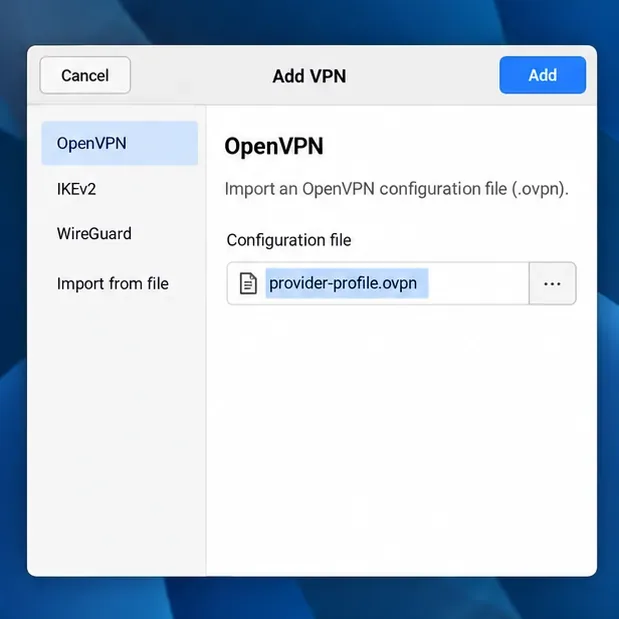
Add an OpenVPN profile to NetworkManager on Pardus, install the right plugin, protect credentials, and verify the VPN is active.
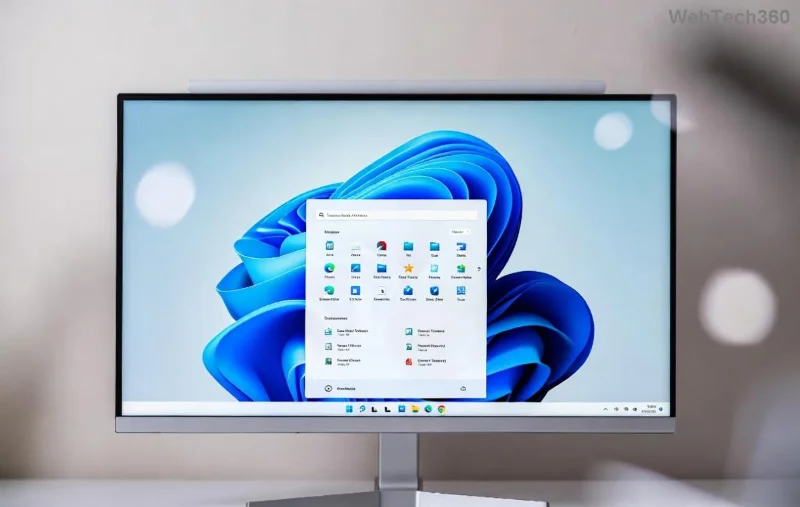
Imagine diving into your favorite game with visuals so fluid they feel alive— that's the magic of a 144Hz refresh rate on Windows 11. If your monitor supports it, upgrading from the standard 60Hz can transform laggy scrolling into seamless motion, making every frame count. Whether you're a gamer chasing high FPS or a professional needing crisp animations, learning how to change Windows 11 refresh rate to 144Hz is a game-changer. This guide walks you through it simply, ensuring you get that edge without hassle. Ready to level up? Let's dive in.
Before we tweak settings, understand why 144Hz matters. A refresh rate is how many times per second your screen updates—60Hz means 60 updates, but 144Hz delivers 144, slashing motion blur and input lag. Gamers notice reduced ghosting in fast-paced titles like FPS shooters, while everyday tasks like video editing or browsing feel snappier.
Excited yet? Studies from display experts show 144Hz can improve reaction times by up to 20% in competitive play. Plus, with Windows 11's optimized graphics stack, it's easier than ever to harness this power. But first, confirm your hardware: Your monitor must support 144Hz via HDMI 2.0, DisplayPort 1.2, or better, and your GPU (like NVIDIA or AMD) needs to keep up. If you're set, proceed—your smoother experience awaits! 👆
To avoid frustration, prep your setup. Start by checking your monitor's specs—look for 144Hz in the manual or manufacturer's site. Connect via a compatible cable; cheap ones often cap at 60Hz. Update your graphics drivers too—outdated ones block high refresh rates.
Pro tip: If using multiple monitors, set the primary one to 144Hz first—mismatched rates can cause flickers. Feeling confident? Now, the main event.
Windows 11 makes adjusting refresh rate intuitive through built-in tools. No third-party software needed for basics, though we'll touch on advanced options. Follow these steps for instant results.
Hit the Windows key, type "Display settings," and open it. Or right-click your desktop > Display settings. Scroll to "Advanced display" under the Scale & layout section. Here, you'll see your monitor's current refresh rate—likely 60Hz if unchanged.
Click "Choose a refresh rate" dropdown. If 144Hz appears, select it and hit Apply. Your screen might flicker briefly as it adjusts—normal! Test with a game or video; motion should feel silkier immediately. 😊
Sometimes 144Hz hides due to cable or driver issues. First, switch to DisplayPort if using HDMI—it's better for high rates. Restart your PC after driver updates.
For NVIDIA users: Open NVIDIA Control Panel (right-click desktop). Go to Display > Change resolution > Customize. Create a custom resolution with 144Hz, test it, then apply in Windows. AMD users: Use Radeon Software > Display > Custom Resolutions.
| GPU Brand | Tool | Key Action |
|---|---|---|
| NVIDIA | NVIDIA Control Panel | Customize > Create 144Hz profile |
| AMD | Radeon Software | Display > Add custom refresh rate |
| Intel (Integrated) | Intel Graphics Command Center | Display > Custom > Set 144Hz |
This table covers most setups. If issues persist, check for Windows bugs— a quick search in Microsoft forums often reveals fixes. You're almost there; smoother visuals are just a click away!
To maximize 144Hz, pair it with adaptive sync. In NVIDIA Control Panel, under Manage 3D Settings > Monitor Technology, enable G-Sync. For AMD, toggle FreeSync in Radeon Software.
In Windows 11, go to Settings > System > Display > Graphics settings > Variable refresh rate—turn it on. This syncs your monitor's rate to your GPU's output, eliminating tearing. Gamers, this is where the real immersion kicks in—try it in a title like Valorant for that pro feel. ⭐
Bumped into black screens or instability? You're not alone. If Windows 11 reverts to 60Hz, it might be a power-saving feature—disable "Hardware-accelerated GPU scheduling" in Graphics settings if needed. Overheating GPUs can throttle rates too; ensure good airflow.
For laptops, plug in and set to high-performance mode via power settings. If your monitor's OSD (on-screen display) menu allows, set it to 144Hz there first. These tweaks keep things stable, so you stay in the zone without interruptions. 🚀
Want more? Overclock your monitor safely using tools like Custom Resolution Utility (CRU)—but proceed cautiously to avoid damage. For multi-monitor setups, use Windows 11's Split screen features with 144Hz on your main display.
Integrate with apps: In Steam or Epic Games, cap FPS at 144 to match your rate, reducing strain. This holistic approach ensures your entire ecosystem shines. Curious about even higher rates like 240Hz? Stick with us for future guides—your setup deserves the best.
Congrats—you've mastered how to change Windows 11 refresh rate to 144Hz! From accessing settings to troubleshooting, you're now equipped for smoother, more responsive computing. Whether gaming marathons or daily productivity, this upgrade delivers joy in every pixel. Share your before-and-after in the comments—did it feel like magic? Keep exploring; your next tweak could be even better. 🎉
Add an OpenVPN profile to NetworkManager on Pardus, install the right plugin, protect credentials, and verify the VPN is active.
Prepare a bootable USB, check 64-bit hardware compatibility, and install Pardus 23 XFCE while protecting existing files and avoiding common legacy BIOS pitfalls.
Distribute a custom wallpaper to Pardus clients, configure Xfce or GNOME desktops, and apply Lider Ahenk user policies with safe pilot checks.
Fix a 1024 × 768 ceiling by checking SPICE, virtual video, the guest channel, and spice-vdagent—with safe checks when Pardus lacks a package candidate.
Set up the Lider server, configure its installer safely, register Ahenk endpoints, and verify a pilot before expanding central management.
Download the official Pardus 23 desktop ISO, write it safely with Rufus, and boot a Windows PC into a temporary Live session.
Find out why Pardus 23 cannot detect your sound card, then use targeted ALSA, firmware, and PipeWire or PulseAudio checks to restore playback.
Save HamoniKR preferences to external storage, include hidden home folders, and choose a safe restore mode when moving to a fresh installation.
Install and configure xrdp on Pardus, choose the right Xfce session, restrict network access, and verify that remote login works.
Diagnose Pardus 23 APT connection failures, confirm the official yirmiuc sources, and restore apt update without bypassing package signature checks.