India vs New Zealand: India Wins Fifth ODI, Yash Thakur Debuts | Nov. 15, 2026
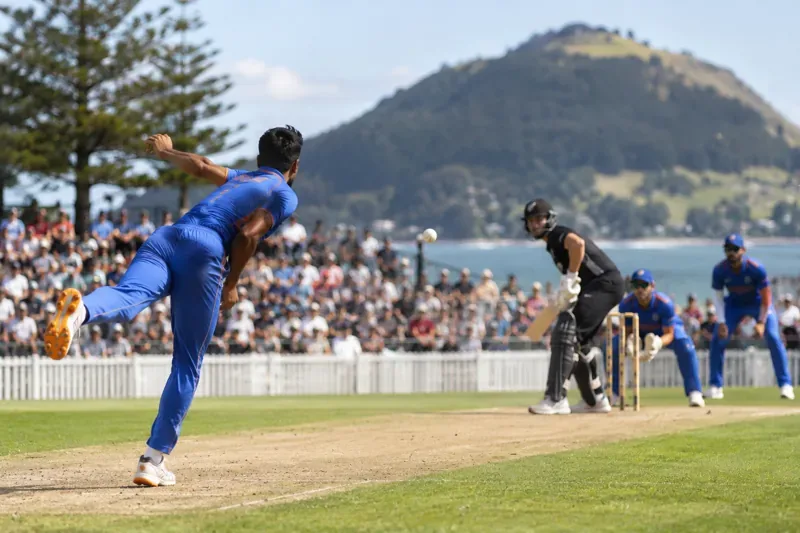
India beat New Zealand by 22 runs to win the ODI series 3–1. Full match highlights, Arshdeep Singh’s 3/30 and Yash Thakur’s debut figures.
Checked November 15, 2026, at 5:08 a.m. UTC (November 14, 11:08 p.m. CST, UTC−06:00).
Texas Tech and Oklahoma State entered their November 14 Big 12 football meeting with contrasting strengths: the Cowboys brought one of the nation's most productive passing attacks, while the Red Raiders had a strong rushing offense and a more effective run defense. That combination makes passing efficiency, early-down rushing, turnovers and special teams the most useful measures for understanding this matchup—not simply the final point total.
The game was scheduled for Saturday, November 14, at 8:30 p.m. in Stillwater, Oklahoma, Central Standard Time (CST, UTC−06:00), equivalent to Sunday, November 15, at 2:30 a.m. UTC. Oklahoma State hosted at Boone Pickens Stadium. At this check, the official university game-center pages reviewed did not provide a verified final result; the statistical comparisons below are pregame figures, not in-game or final statistics.
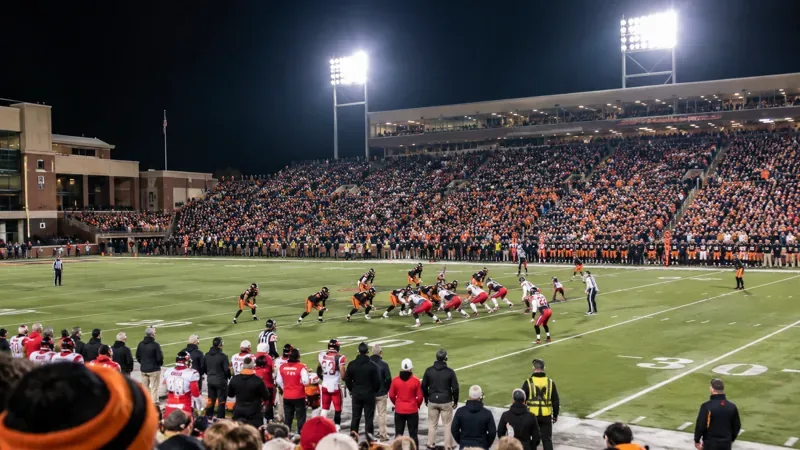
Texas Tech entered with an 8–1 overall record and a 5–1 Big 12 mark, while Oklahoma State stood at 6–3 overall and 4–2 in conference play, according to their official previews. Texas Tech's conference position gave the road game particular weight: its athletics department explained that winning out would secure a return to the Big 12 title game, whereas another loss would complicate the path through tiebreakers. Oklahoma State had a chance to improve its conference standing against a highly ranked opponent at home.
The teams also had markedly different recent meetings. Texas Tech won 42–0 in 2025 and 56–48 in 2024, while Oklahoma State won 41–31 in 2022. Those results show why assuming a single scoring pattern from rivalry history would be misleading: these games have ranged from a shutout to a high-scoring contest.
Oklahoma State's official comparative statistics listed 339.1 passing yards per game, third nationally at the time, against 287.0 passing yards allowed by Texas Tech, ranked 136th. The matchup suggests that Oklahoma State could create yardage through the air if its offensive line gave quarterback Drew Mestemaker time to attack intermediate and deep coverage.
Mestemaker entered with 2,962 passing yards, while receiver Justin Bowick led the Cowboys with 790 receiving yards, according to Oklahoma State's game center. Texas Tech's answer depended on disrupting passing rhythm, improving coverage leverage and forcing throws into tighter windows. The important distinction is between allowing passing yards and conceding touchdowns: a defense can give up sizable yardage yet limit damage by producing takeaways or holding opponents to field goals.
Texas Tech's 214.7 rushing yards per game ranked 13th in Oklahoma State's pregame comparison. The Cowboys had allowed 151.3 rushing yards per game, ranking 81st. The Red Raiders therefore had a plausible path to sustaining possessions through the run, creating manageable third downs and reducing the number of possessions available to Oklahoma State's passing offense.
Texas Tech's game center listed J'Koby Williams at 954 rushing yards entering the game. The key was not only his total yardage but also success on first and second down. Runs of four to six yards can be strategically valuable even when they do not produce highlight plays: they keep the complete playbook available and make the defense respect play-action throws.
By contrast, Oklahoma State's Caleb Hawkins entered with 1,081 rushing yards. The Cowboys were not a one-dimensional passing team; their 194.4 rushing yards per game demanded defensive attention as well. Texas Tech's pregame run defense, which allowed 115.3 yards per game, provided a meaningful counterweight.
| Pregame metric | Texas Tech | Oklahoma State |
|---|---|---|
| Total offense per game | 449.3 yards | 533.6 yards |
| Rushing offense per game | 214.7 yards | 194.4 yards |
| Passing offense per game | 234.7 yards | 339.1 yards |
| Total defense allowed per game | 402.3 yards | 384.0 yards |
| Passing defense allowed per game | 287.0 yards | 232.7 yards |
| Rushing defense allowed per game | 115.3 yards | 151.3 yards |
| Turnovers gained | 14 | 14 |
| Turnovers lost | 13 | 15 |
These figures are season-to-date pregame averages and totals published in Oklahoma State's November 12 matchup notes; they are not game results.
Both defenses had generated 14 takeaways, according to the same pregame comparison. Oklahoma State had lost 15 turnovers and Texas Tech 13. In a contest with strong offensive production on both sides, even one short field after an interception or fumble can materially change expected scoring opportunities. The raw number of possessions and where those possessions begin also matter, so simply comparing offensive yardage is incomplete.
Special teams offered another way to change field position. Oklahoma State's notes listed Texas Tech at 24.63 yards per kickoff return, while Oklahoma State's kickoff-return defense allowed 19.08. Oklahoma State also showed a 13.47-yard punt-return average, compared with Texas Tech's 42.59 net punting figure. These are distinct statistical measures and cannot be directly subtracted to predict return outcomes, but together they highlight hidden-yardage battles worth tracking.
The most revealing indicators are whether Oklahoma State repeatedly gains chunk yardage through the air, whether Texas Tech establishes an efficient rushing attack, and which team finishes drives with touchdowns rather than settling for field goals. Third-down conversion, sacks, turnovers and starting field position help explain why a team can dominate total yardage without controlling the scoreboard.
Texas Tech's previous game, a 53–48 win over West Virginia, illustrated how productive offense can coexist with defensive vulnerability. Oklahoma State's 66–28 win at Kansas State likewise showed its scoring ceiling. Neither result guarantees what happened in Stillwater. Until the official postgame box score is confirmed, a matchup breakdown should treat these as context, not evidence of a specific November 14 outcome.
Saturday, November 14, 2026, at 8:30 p.m. CST (UTC−06:00), at Boone Pickens Stadium in Stillwater, Oklahoma. That is November 15 at 2:30 a.m. UTC.
Oklahoma State, at 339.1 passing yards per game, compared with Texas Tech's 234.7, according to the Cowboys' pregame statistical breakdown.
Its rushing offense against Oklahoma State's run defense: 214.7 rushing yards per game for the Red Raiders versus 151.3 allowed by the Cowboys entering the matchup.
Official sources: Oklahoma State Athletics, Inside the Numbers; Texas Tech Athletics matchup preview; Oklahoma State game center; Texas Tech game center. Checked November 15, 2026.
India beat New Zealand by 22 runs to win the ODI series 3–1. Full match highlights, Arshdeep Singh’s 3/30 and Yash Thakur’s debut figures.
India won the ODI series 3–1 and T20Is 3–2. Here’s what the results mean for the upcoming Tests and World Test Championship standings.
Michael Amadio had a goal and an assist as Ottawa beat Pittsburgh 4–1 on Nov. 14, extending its point streak to five games. See the scoring recap and key stats.
Ottawa beat Pittsburgh 4–1 on Nov. 14 to reach 28 points and extend its point streak to five games. Here’s what the result means for the Eastern race.
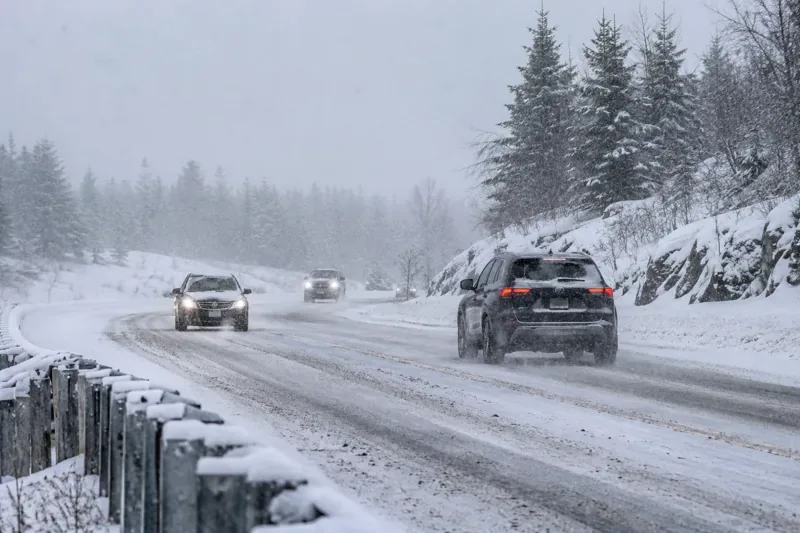
Canada winter travel update for November 15, 2026: Ontario snow hazards, B.C. rain warnings, how to check flight cancellations and highway closures, and safety tips.
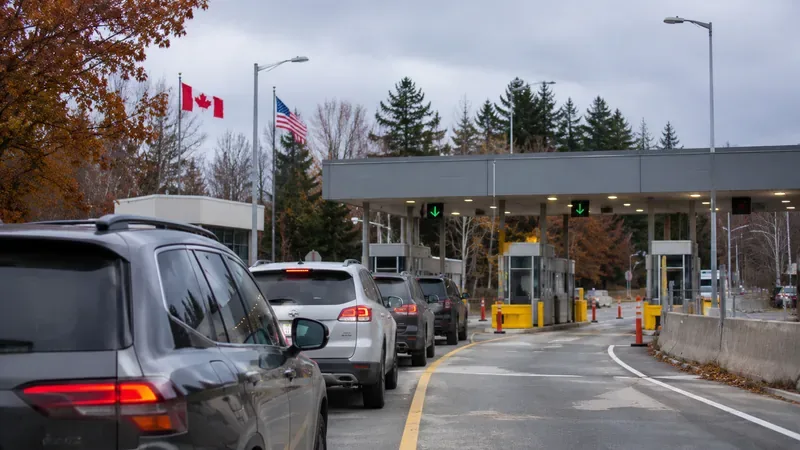
Canadian travelers: what U.S. border officers can check, which documents to carry, how device searches work, and when 30-day registration rules apply.
Environment Canada’s live alert page showed no active alerts at 12:03 UTC on Nov. 15. See the latest verified snowfall update and where to check local road conditions.
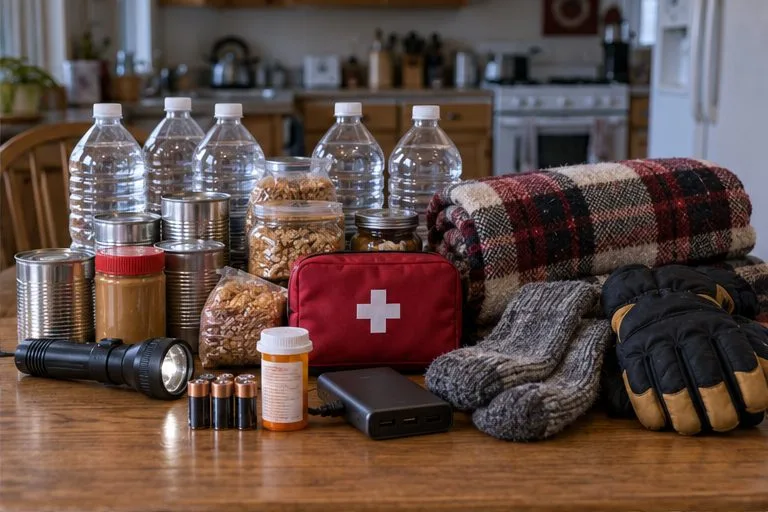
Prepare for a Canadian winter storm with practical steps for your home, a 72-hour household kit, vehicle supplies and carbon monoxide safety.
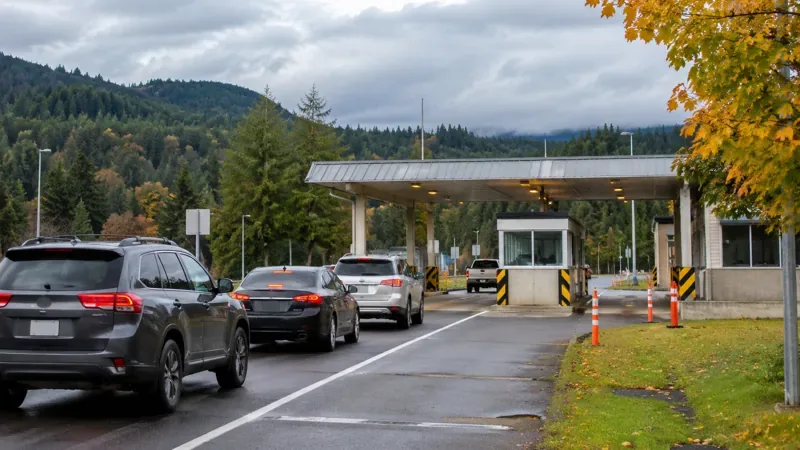
New winter hours affect 26 Canadian border crossings. See what changed November 1, how U.S. Border Patrol differs from port inspections, and where to check delays.
Canadian commuters should allow for possible extra U.S. screening and check live crossing conditions. Here’s what current border data shows and how to prepare.