India vs New Zealand: India Wins Fifth ODI, Yash Thakur Debuts | Nov. 15, 2026

India beat New Zealand by 22 runs to win the ODI series 3–1. Full match highlights, Arshdeep Singh’s 3/30 and Yash Thakur’s debut figures.
Verified and updated: November 15, 2026, at 12:03 p.m. UTC.
For Canadians preparing for winter storms, the most useful steps are straightforward: plan to stay home when conditions are hazardous, keep essential supplies for at least 72 hours, and prepare for a power outage. If you must drive, carry winter-specific supplies and know what to do if you become stranded. Federal guidance also warns that outages can increase the risk of carbon monoxide poisoning from generators and fuel-burning appliances.
This is a preparedness explainer, not a report of a newly confirmed storm or a local forecast. Check Environment and Climate Change Canada alerts for your area before making plans.
Start before a warning appears. Check doors and windows for drafts and repair gaps with caulking or weather-stripping. Canada’s emergency-preparedness guidance also recommends insulating walls and attics where needed, checking the roof for damage, and keeping shovels and snow-removal supplies somewhere accessible. Have salt or another suitable traction material ready for walkways.
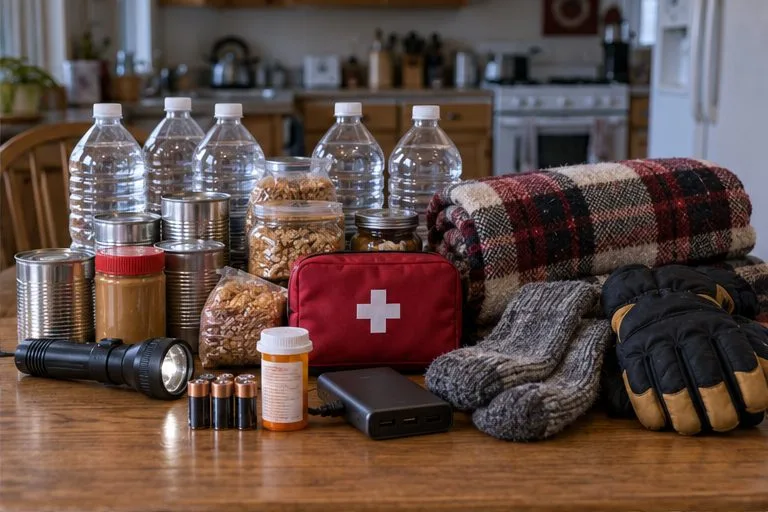
Make a household plan for a power outage or a period when roads are blocked. Keep food that does not require refrigeration or cooking, drinking water, a battery-powered or wind-up flashlight, spare batteries, a radio, a first-aid kit, warm clothes and blankets. Include prescription medicines, infant supplies, pet food and any equipment or documents household members rely on. Canada’s general emergency-kit guidance recommends planning to be self-sufficient for at least 72 hours; individual needs and local conditions may require more.
Know how to keep warm safely if electricity or heat fails. Have certified carbon monoxide alarms with battery backup near sleeping areas, and check that fuel-burning appliances and their vents are maintained and clear. Never use a barbecue, camping stove or fuel-burning generator inside a home, garage, basement, crawlspace or shed, or under a covered outdoor area. The federal guidance says portable generators should be at least 6 metres (20 feet) from buildings, with exhaust directed away from doors and windows. Never idle a vehicle in an attached garage, even with the door open.
Prepare the vehicle before the first severe-weather trip. Transport Canada recommends keeping supplies such as a small shovel, traction material like sand or non-clumping cat litter, warning triangles or flares, booster cables, extra warm clothing, food and water in the vehicle. Add a flashlight, first-aid kit, blanket, ice scraper and snow brush. Store items where they remain reachable if the trunk is packed; refresh food, water and batteries regularly.
Check the vehicle’s condition, including the battery, lights, tyres and windshield-washer fluid, and follow the manufacturer’s maintenance schedule. Use winter tyres where appropriate for your region and driving conditions. Keep the fuel tank well supplied, charge your phone and tell someone your route and expected arrival if travel is necessary.
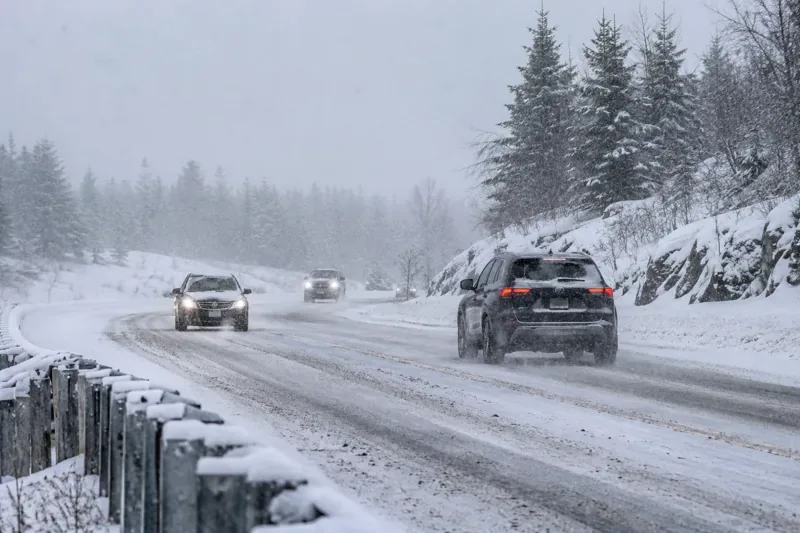
Before leaving, check official weather alerts and current road conditions. If a winter storm is underway or hazardous conditions are expected, delay or cancel the trip when possible. Snow and ice reduce traction, while blowing snow can sharply reduce visibility. Clear all windows, mirrors and lights before driving, slow down and leave extra space.
If the vehicle is safely away from moving traffic, stay inside and call for help. Going out in blowing snow can make it easy to become disoriented or suffer cold exposure. Keep the exhaust pipe clear of snow and ice to prevent carbon monoxide from entering the cabin. If you run the engine for warmth, use it sparingly and keep a window slightly open for fresh air. Make yourself visible with hazard lights or a warning device when conditions allow. If the car is in a dangerous position, prioritize getting help and following emergency responders’ instructions.
Clear walkways carefully and watch for ice, falling snow or branches, and water from melting snow. Avoid overexertion while shovelling, especially in extreme cold. Check exposed pipes for freezing and look for leaks after a thaw; water damage behind walls may not be immediately visible. Check on neighbours who may need help, if it is safe to do so.
Preparedness reduces last-minute decisions, but it cannot make storm travel safe. For changing conditions, follow Environment and Climate Change Canada weather alerts and local road updates. For official storm preparation steps, see the Government of Canada’s winter storm guidance, its Transport Canada winter trip checklist and the 72-hour emergency kit guide.
Plan for at least 72 hours without normal services, and tailor supplies to your household’s health, mobility, infant and pet needs.
No. Run a portable generator outdoors at least 6 metres (20 feet) from buildings, directing exhaust away from openings.
Delay or cancel non-essential travel when hazardous conditions are expected. Check official alerts and road conditions before any necessary trip.
India beat New Zealand by 22 runs to win the ODI series 3–1. Full match highlights, Arshdeep Singh’s 3/30 and Yash Thakur’s debut figures.
India won the ODI series 3–1 and T20Is 3–2. Here’s what the results mean for the upcoming Tests and World Test Championship standings.
Michael Amadio had a goal and an assist as Ottawa beat Pittsburgh 4–1 on Nov. 14, extending its point streak to five games. See the scoring recap and key stats.
Ottawa beat Pittsburgh 4–1 on Nov. 14 to reach 28 points and extend its point streak to five games. Here’s what the result means for the Eastern race.
Canada winter travel update for November 15, 2026: Ontario snow hazards, B.C. rain warnings, how to check flight cancellations and highway closures, and safety tips.
Canadian travelers: what U.S. border officers can check, which documents to carry, how device searches work, and when 30-day registration rules apply.
Environment Canada’s live alert page showed no active alerts at 12:03 UTC on Nov. 15. See the latest verified snowfall update and where to check local road conditions.
Prepare for a Canadian winter storm with practical steps for your home, a 72-hour household kit, vehicle supplies and carbon monoxide safety.
New winter hours affect 26 Canadian border crossings. See what changed November 1, how U.S. Border Patrol differs from port inspections, and where to check delays.
Canadian commuters should allow for possible extra U.S. screening and check live crossing conditions. Here’s what current border data shows and how to prepare.