Pop Culture Costume Ideas That Will Dominate Halloween 2026

Plan a recognizable Halloween 2026 look with pop culture costumes inspired by Spider-Man, Supergirl, Toy Story 5, Moana, Mario, and Wednesday.
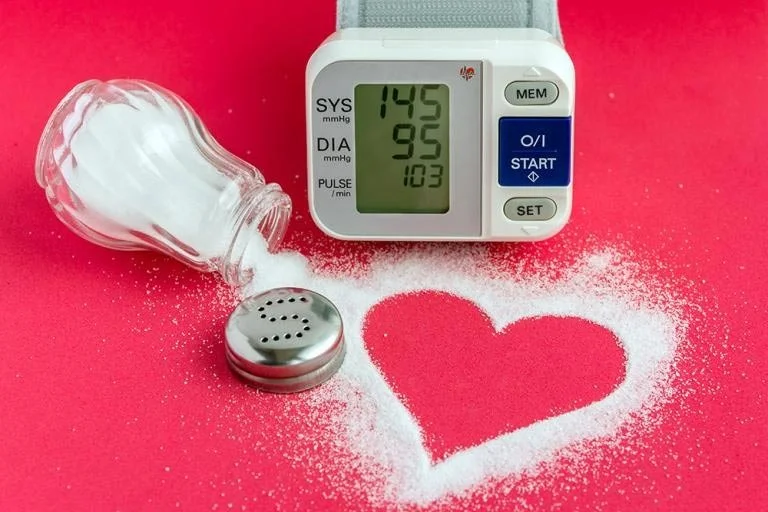
Most of us consume too much salt, which can lead to high blood pressure, heart attacks, and strokes. But there are some simple ways to retrain your palate and reduce your salt intake . Here are some things you may not know about salt .

Things to know about salt
Salt is a mineral composed of sodium and chloride; the element sodium is the main culprit when consumed in large doses. Our bodies need a healthy amount of salt to survive: the essential minerals in salt help with fluid balance, nerve transmission, and muscle function. Our kidneys regulate the amount of sodium in our bodies. Eating too much or too little sodium can cause high-risk health problems. If sodium levels in the body drop too low, a hormone called aldosterone is released, which retains sodium in the body by reducing the amount lost through urine, which can be dangerous over time.
Most of us are consuming around 10 grams of salt per day, while adults should actually aim to consume no more than 4-6 grams of salt per day to avoid chronic disease (about 1 teaspoon). People with high blood pressure are specifically advised to reduce their salt intake to no more than 4 grams per day. Salt intake above the recommended 4-6 grams is associated with high blood pressure; which in turn increases the risk of kidney disease and cardiovascular diseases such as heart disease and stroke.
Related conditions that can occur from consuming too much sodium include:
Heart failure/heart attack
High blood pressure
Kidney problems and kidney stones
Stroke
Stomach cancer
Left ventricular hypertrophy (thickening of the heart muscle) Osteoporosis
Edema
(fluid retention)
However, completely cutting salt out of your diet can be harmful. According to Healthline, a low-salt diet can have adverse health effects, such as increased LDL cholesterol levels, heart failure, and insulin resistance.
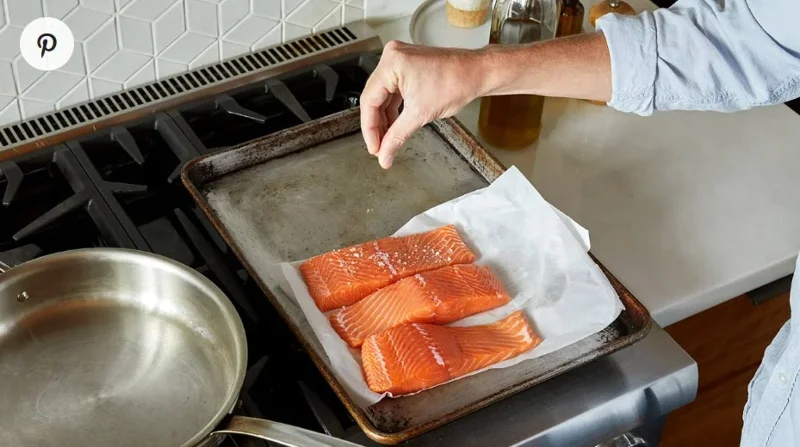
Most of the salt in the modern diet comes from restaurant foods and packaged, processed foods.
Some of the foods highest in sodium for adults and children:
Always check the labels and nutrition panels of packaged foods. They provide useful information about the product, including the sodium content per serving.
To easily identify low-sodium foods, look for terms like low sodium, very low sodium, or reduced sodium. You can also look up the amount of sodium per serving or 100 grams and compare this number to any product you're considering.
Eat more fruits and vegetables. Skip or limit frozen dinners and other high-sodium foods like pizza, fast food, packaged mixes, and canned soups or broths. Choose fresh or frozen skinless poultry, fish, and lean meats instead of marinated, canned, smoked, brined, or salted varieties. That includes limiting or avoiding salty meats like bacon, ham, and cold cuts. Even seemingly harmless items like bread contain moderate amounts of sodium that can become a problem when eaten regularly. Prepare and eat more food at home, where you can control how much sodium is added — unlike at fast food and other restaurants.
Check the Nutrition Facts Panel external link on food containers to determine sodium content. Choose “low,” “reduced sodium,” or “no salt added” versions of foods. You can even find reduced-sodium (or no-salt) versions of favorite snacks, such as potato chips and nuts, at many grocery stores.
Add flavor with herbs, spices, lemon, lime, vinegar, or salt-free seasoning blends instead of salt or salty seasonings like soy sauce, spice blends, or soup mixes. Start by cutting your salt intake in half and gradually switch to healthier alternatives.
Limit your use of condiments like salad dressings, ketchup, barbecue sauce, and hot sauce. Even consider limiting low-sodium soy sauce and teriyaki sauce, which should be used sparingly, like table salt. Salty “side dishes” like pickles, pickled vegetables, olives, and sauerkraut should also be avoided.
Plan a recognizable Halloween 2026 look with pop culture costumes inspired by Spider-Man, Supergirl, Toy Story 5, Moana, Mario, and Wednesday.
Sort leftover Halloween candy safely, share or repurpose sealed treats, and choose food use or compost for pumpkins based on their condition.
Compare workplace Halloween costume choices by respect, dress code, mobility, and safety—and learn when a subtle accessory or a policy check is the better option.
Find a couples costume that fits your style, budget, and comfort level, from Addams Family classics to original inside-joke duos.
Need a last-minute high school Halloween costume? Compare 10 easy closet-based ideas by prep time, comfort, school-day practicality, and simple safety checks.
Use a simple 2026 Halloween decorating timeline for indoor décor, outdoor displays, and fresh pumpkins, with practical adjustments for weather and events.
Mix five vivid, approachable Halloween cocktails with measured recipes, simple prep tips, and an alcohol-free option for your party guests.
Find 15 office-friendly Halloween costume ideas for 2026, with practical checks for dress codes, respectful themes, comfort, and workplace safety.
Plan a fun elementary school Halloween party with easy crafts, games, inclusive treats, costume tips, and a sample 75-minute classroom schedule.
Compare realistic side hustles for 2026 by startup cost, fees, flexibility, and income control, with current tax and scam guidance from official sources.