Updated November 11, 2026, at 10:45 p.m. GMT (UTC)
A yellow cold-health alert is scheduled for northwest and west-central England from 9 a.m. Thursday, November 12, until noon Saturday, November 14. The UK Health Security Agency (UKHSA) says older adults, people with existing health conditions, and others at higher risk may be more affected. For households, the immediate priorities are to keep regularly used rooms warm, check heating equipment is safe, and make sure vulnerable relatives or neighbors can get food and medication.
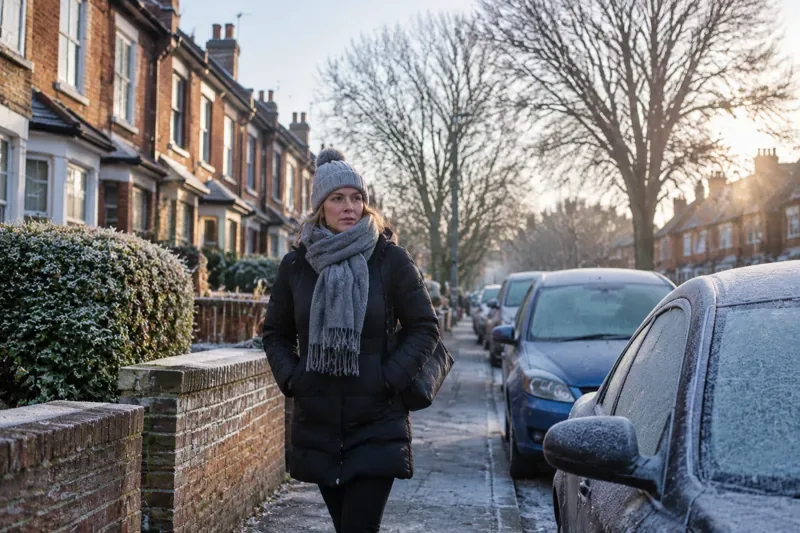
The Met Office forecasts colder conditions spreading south, with more widespread frost and some wintry showers in northern areas. This is a health alert for parts of England, not a UK-wide cold-weather warning: check the latest local forecast and official warnings for your area because conditions can change.
Destaques
- The yellow cold-health alert covers the North West and West Midlands in England, November 12–14.
- If possible, keep rooms you regularly use at least 18°C, especially if you have a health condition.
- Check heating and cooking appliances, and avoid using outdoor heaters or barbecues indoors.
- Check in on people at higher risk and help them arrange essentials before colder conditions arrive.
What does the cold-health alert mean for your home?
A yellow alert means that colder weather could affect health, especially for people who are more vulnerable; it does not mean every household will experience severe conditions. UKHSA and the Met Office use weather forecasts and health-impact assessments to issue alerts. This system applies to England. The Met Office’s National Severe Weather Warning Service separately covers hazards such as snow, ice, and wind across the UK.
The current alert runs from Thursday morning through Saturday midday in the North West and West Midlands. The forecast points to a cold spell, but the alert itself is not a guarantee of snow or a particular temperature at your address. Use the UKHSA cold-health alerts dashboard and the Met Office warning service for updates.
How warm should you keep your home?
The NHS advises heating your home to a comfortable temperature and, if possible, keeping rooms you regularly use at least 18°C (64°F). This is particularly important for people with health conditions. Prioritize the living room during the day and the bedroom before sleep; close bedroom windows at night if it is cold outside.
Use curtains after dark and close doors to rooms you are not using. Wear several light layers, warm socks, and slippers, and keep a blanket nearby while sitting still. A hot drink and regular meals can help you feel warmer. These steps can reduce heat loss and discomfort, but do not block ventilation needed for safe operation of fuel-burning appliances.
If you cannot afford to heat your home, check whether you qualify for government help with heating costs or energy efficiency. The NHS Keep Warm, Keep Well guidance links to support and advice.
How can you heat your home safely?
Before relying on a boiler, cooker, or portable heater, check that it is in good condition and follow the manufacturer’s instructions. The NHS recommends having gas appliances checked by a Gas Safe registered engineer. Keep heaters away from curtains, bedding, and furniture, and never dry clothing directly on a heater unless its instructions specifically allow it.
Never use a barbecue, camping stove, or outdoor patio heater inside a home, garage, or enclosed space. These can produce carbon monoxide, a poisonous gas. Keep air vents clear, and make sure smoke and carbon-monoxide alarms are working. If an alarm sounds or you suspect carbon monoxide, get everyone outside and call 999.
Who is most at risk, and how can you help?
Cold can pose greater risks to adults 65 and older, babies and young children, people with long-term health conditions or disabilities, and people who struggle to afford heating. NHS guidance also identifies pregnancy and mental health conditions among factors that can increase vulnerability.
Check on anyone who may be isolated. Ask whether their heating works, whether they have enough food and prescription medicine, and whether they need help with shopping. If they need to go out, encourage warm layers and shoes with good grip on icy surfaces. If someone feels unwell, contact a pharmacist or GP; for urgent medical advice in England, use NHS 111 online or call 111. Call 999 for an emergency.
What is forecast next?
The Met Office forecast published November 9 said colder air would spread south through Thursday and Friday, with temperatures expected to fall below average in many places and frost becoming more widespread. It also noted that the weekend outlook was uncertain, with temperatures potentially moving closer to average later. These are forecasts, not confirmed conditions for every town. Check local updates before travel and refresh the warning map during the alert period.
Sources: UKHSA cold-health alert announcement; NHS Keep Warm, Keep Well; Met Office forecast for colder weather and frost.
Frequently asked questions
When does the yellow cold-health alert start?
It is scheduled to run from 9 a.m. Thursday, November 12, until noon Saturday, November 14, 2026.
Which areas are covered?
The North West and West Midlands regions of England. The alert does not mean all of the UK is under a cold-weather warning.
What temperature should I aim for indoors?
If possible, keep rooms you regularly use at least 18°C (64°F), especially if you have a health condition.