India vs New Zealand: India Wins Fifth ODI, Yash Thakur Debuts | Nov. 15, 2026

India beat New Zealand by 22 runs to win the ODI series 3–1. Full match highlights, Arshdeep Singh’s 3/30 and Yash Thakur’s debut figures.
Verified and updated: November 15, 2026, at 01:16 UTC. UK indefinite leave to remain (ILR), also called settlement, lets a person live, work and study in the UK without a time limit. The route to qualify depends on the person’s immigration status: many work and family routes require five years, while long residence generally requires 10 years of lawful continuous residence. Some routes have different qualifying periods and conditions, so there is no single checklist that applies to everyone.
As of this check, GOV.UK continues to describe multiple route-specific pathways. Applicants should identify the route matching their current permission and check its current requirements before applying. Applying before eligible or using the wrong route can lead to refusal and loss of the application fee.
ILR removes the time limit on a person’s permission to stay in the UK. It generally permits the holder to work and study without immigration restrictions and may allow access to public funds when otherwise eligible. ILR can also be a step toward British citizenship, but citizenship has separate residence and other requirements. ILR is not the same as settled status under the EU Settlement Scheme; eligible EU, EEA and Swiss citizens and family members may need to use that scheme instead.
Start by identifying the visa or permission you hold and the settlement route associated with it. GOV.UK lists routes for workers, family members, long residence, UK Ancestry, British National (Overseas) visa holders, refugees and people with other forms of protection or permission. The eligible period, permitted absences, financial conditions and evidence differ between routes.
Many Skilled Worker and family routes require five years, but the qualifying time is not universal. Some Global Talent and Innovator Founder applicants may qualify after three years if they meet the specific route criteria; certain historic categories have other periods. Under the long-residence route, the general requirement is 10 years of lawful continuous residence. Time spent in the UK on some categories may count, but the detailed rules determine which periods qualify.
Absences matter. For long residence, GOV.UK sets limits and explains how absences are assessed, including separate rules for periods abroad that began before April 11, 2024. Work and family routes also have their own absence rules. Check the route’s residence guidance and calculate travel dates against the applicable rules rather than assuming every day in the UK counts.
Many applicants aged 18 to 65 must demonstrate English language ability and pass the Life in the UK Test. Exemptions or alternative evidence may apply based on age, disability or nationality, and each route explains its rules. Confirm whether a previous approved test or qualification remains acceptable for your application.
They can be. A Skilled Worker applicant may need an eligible sponsor to confirm the job and pay conditions required by that route. Family applicants must meet the criteria for their particular relationship and permission. Long-residence applicants follow a different eligibility framework. Do not assume that meeting the residence period alone guarantees ILR.
Do not travel outside the Common Travel Area while an application is pending if the route’s instructions say travel will withdraw it. The long-residence application guidance specifically warns that travel outside the UK, Ireland, the Channel Islands or the Isle of Man before a decision withdraws the application and does not result in a fee refund. Check the rules for your own route before making travel plans.
Processing time depends on the route and service available. GOV.UK says long-residence applicants usually receive a decision within six months after providing fingerprints and a photograph; optional faster services may be available on some routes and have separate conditions and charges. Complex applications can take longer. Use the application guidance for your route to check the current estimate and any available priority service.
The key practical step is to match every requirement to the exact route and the rules in force on the application date. Official pages are updated, and summaries of a different visa category may not apply to your case. The sources checked for this explainer are the UK government’s ILR route overview, long-residence eligibility guidance, and long-residence application guidance. This is general information, not a decision on an individual case.
Often, yes, if you already meet the requirements and apply under the correct route. The earliest permitted date varies; submitting too early can lead to refusal.
ILR can make someone eligible to apply, but citizenship has separate residence, timing and other requirements. Check the naturalisation rules before applying.
Travel can withdraw an application under some route rules. Check the official guidance for your route before leaving the Common Travel Area.
India beat New Zealand by 22 runs to win the ODI series 3–1. Full match highlights, Arshdeep Singh’s 3/30 and Yash Thakur’s debut figures.
India won the ODI series 3–1 and T20Is 3–2. Here’s what the results mean for the upcoming Tests and World Test Championship standings.
Michael Amadio had a goal and an assist as Ottawa beat Pittsburgh 4–1 on Nov. 14, extending its point streak to five games. See the scoring recap and key stats.
Ottawa beat Pittsburgh 4–1 on Nov. 14 to reach 28 points and extend its point streak to five games. Here’s what the result means for the Eastern race.
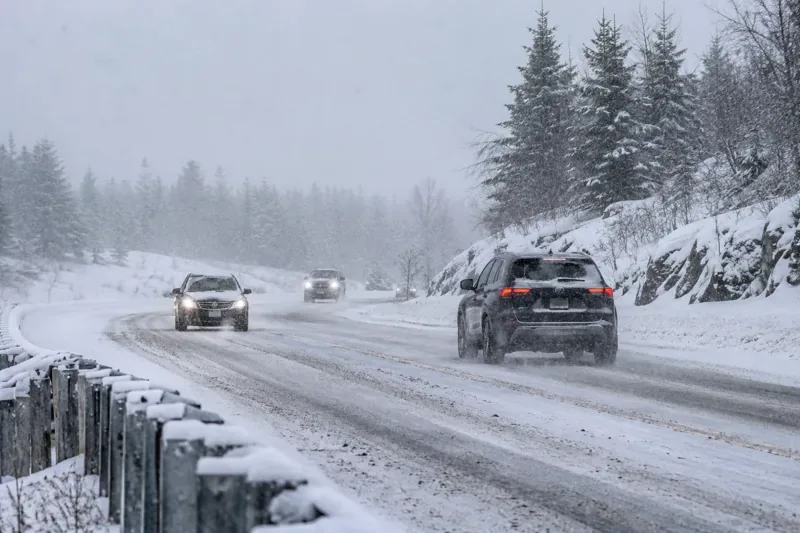
Canada winter travel update for November 15, 2026: Ontario snow hazards, B.C. rain warnings, how to check flight cancellations and highway closures, and safety tips.
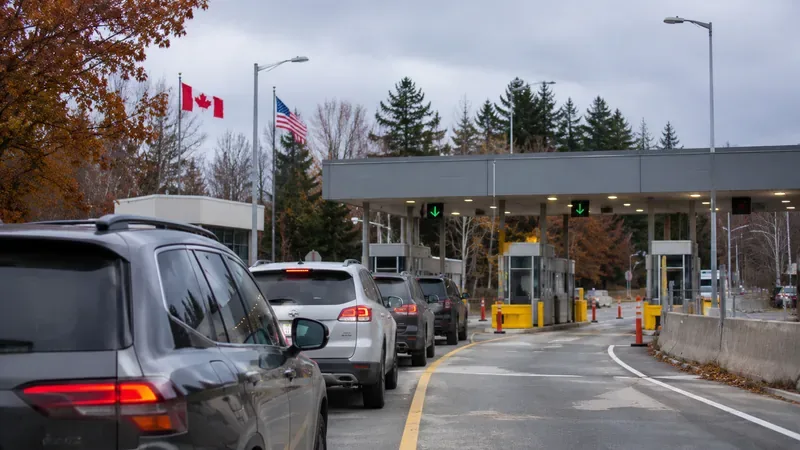
Canadian travelers: what U.S. border officers can check, which documents to carry, how device searches work, and when 30-day registration rules apply.
Environment Canada’s live alert page showed no active alerts at 12:03 UTC on Nov. 15. See the latest verified snowfall update and where to check local road conditions.
Prepare for a Canadian winter storm with practical steps for your home, a 72-hour household kit, vehicle supplies and carbon monoxide safety.
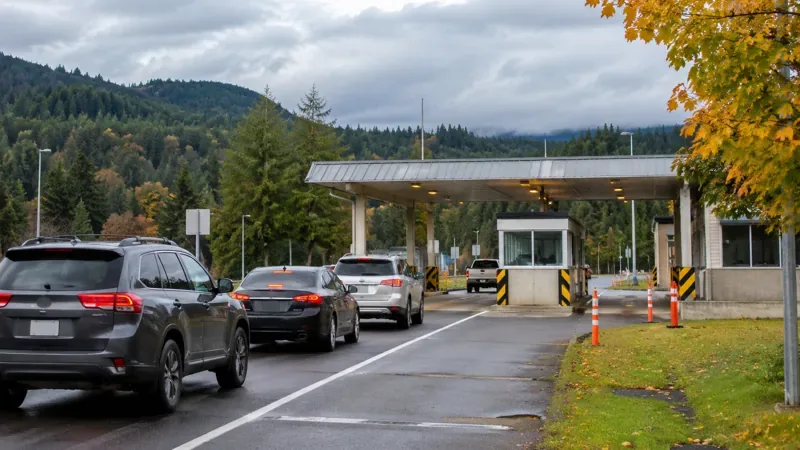
New winter hours affect 26 Canadian border crossings. See what changed November 1, how U.S. Border Patrol differs from port inspections, and where to check delays.
Canadian commuters should allow for possible extra U.S. screening and check live crossing conditions. Here’s what current border data shows and how to prepare.