What Are the Biggest Halloween Trends for 2026?
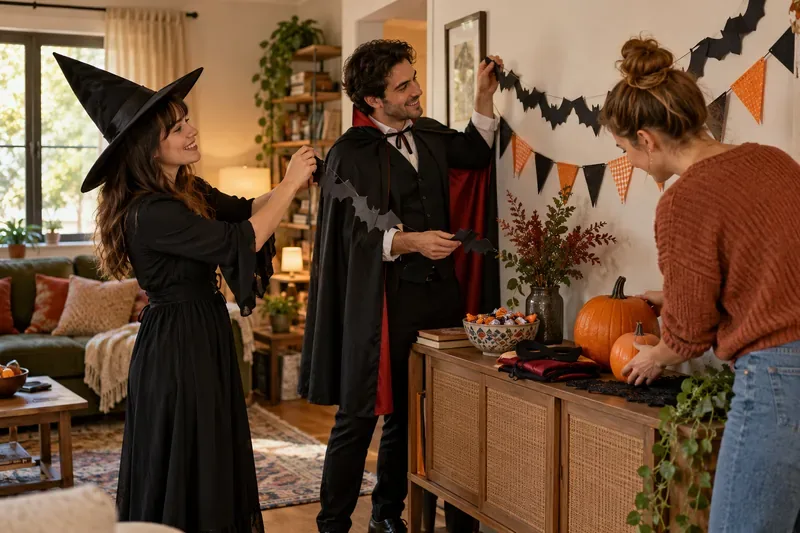
See the biggest Halloween 2026 trends in costumes, décor, shopping, pets, and party planning—with survey data, dates, and practical ways to choose.
The clearest 2026 signals are a long shopping season, value-conscious buying, familiar costumes, and home-based Halloween activities. A National Retail Federation survey projects $13.5 billion in U.S. Halloween spending, but its results are plans and expectations—not final sales. Its costume rankings show that classic characters and recognizable pop culture figures are both in the mix. Pinterest adds an aesthetic signal around romantic-goth styling, but that is platform-specific inspiration rather than a national costume poll.
That distinction matters when you decide what to wear, buy, or decorate with. A trend is useful when it helps you make a choice; it is less useful when a search spike or spending forecast is treated as proof that everyone will follow the same look.
| Trend signal | What the source reports | What it means for your plan |
|---|---|---|
| Early, value-minded shopping | 49% began shopping in September or earlier; 34% of shoppers say they will look for items they can reuse | Set a budget and reuse adaptable pieces before buying a one-night item |
| Classic and recognizable costumes | Adults’ leading costumes include witch and vampire; children’s list includes Spider-Man and superhero | Choose a clear character or archetype, then personalize it |
| At-home Halloween activities | Top activities include handing out candy, costumes, decorations, pumpkin carving, and scary movies | Plan for a season of small events, not only one party |
| Pet costumes | NRF reports pumpkin, hot dog, and ghost as leading pet costume choices | Pick by pet comfort and safe fit; the survey does not measure whether pets enjoy costumes |
| Romantic-goth styling | Pinterest’s current trend page highlights “Vamp Romantic” and rising searches related to vampire costumes | Use it as an aesthetic cue, not as proof of nationwide demand |
NRF’s 2026 survey projects total U.S. Halloween spending of $13.5 billion and average planned spending of $115.14 per person. It also reports that 71% plan to buy costumes, with expected costume spending of $4.4 billion; 78% plan to buy decorations, for an expected $4.3 billion; and 96% plan to buy candy. These are survey-based forecasts, not final checkout totals. The survey asked 7,889 consumers between September 1 and 9, 2026, and reports a margin of error of plus or minus 1.1 percentage points. See the NRF’s September 22, 2026 survey release for the full results.
High projected spending does not mean shoppers are ignoring cost. NRF reports an average budget close to the 2025 level, and says 31% plan to comparison-shop if prices are higher than expected; 26% expect to look for coupons or sales. It also reports 34% will look for items they can reuse in later years or settings. Practical move: choose a costume base with repeat use—a dark dress for a witch or vampire, a jacket that can return to everyday wear, or decorations that store flat. Check the full outfit cost, including makeup, accessories, shipping, and event-specific add-ons. If the total exceeds your target, simplify the look before dropping the budget limit.
The 2026 NRF rankings do not point to one universal costume. Among adults, the top reported choices are witch (4.8 million), vampire (4.2 million), Batman (2 million), Spider-Man (1.5 million), and ghost (1.4 million). Among children, Spider-Man leads at 4.6 million, followed by superhero at 2.3 million, princess at 2.2 million, and witch and ghost at 1.6 million each. The figures represent respondents’ plans, not confirmed outfits worn on Halloween.
That mix suggests two reliable routes: choose a classic silhouette that people identify quickly, or select a current character with recognizable colors and accessories. A witch costume can be traditional, glamorous, funny, or modern; a superhero outfit can be store-bought or built from a cape and color-blocked clothing. What to check: can people recognize the reference from one or two visual cues? If not, add a prop, color, or short caption. If a costume depends on a specific item that is sold out or expensive, keep the character idea and swap in pieces already in your closet.
NRF says 74% of surveyed U.S. consumers plan to celebrate Halloween in 2026, and nearly half began shopping in September or earlier. The most common planned activity is handing out candy (61%), followed by dressing in costume (50%). Decorating a home or yard, carving pumpkins, and watching scary movies each register at 42%. The figures show participation plans across multiple activities; they do not mean that every household will host a party or celebrate in the same way.
For hosts, the practical trend is to build a few low-effort moments instead of concentrating everything on October 31: a pumpkin-carving afternoon, a movie night, a small porch display, or a costume accessory that can be worn more than once. For shoppers, an earlier calendar creates more time to compare choices, but it also means popular products may be unavailable by late October. Action: decide which part matters most—costume, candy, decorations, or an event—and secure that first. If your main goal is a last-minute costume, rely on accessible basics rather than a niche item with uncertain stock.
NRF’s pet-costume results point to pumpkin (11.6%), hot dog (5.9%), and ghost (2.8%) as leading choices. The same survey expects consumers to spend $920 million on pet costumes. Treat these numbers as owners’ purchase plans, not evidence that dogs or cats want to wear a costume. For any pet, comfort and fit are more important than matching a trend. A bandana or no costume is a reasonable choice if an animal dislikes clothing; choose a lightweight outfit only if it leaves movement, vision, and breathing unobstructed.
Pinterest’s current Trends to Try page features “Vamp Romantic,” describing dark cherry tones, romantic-goth hairstyles, and smoky eye makeup. It also displays “vampire costume women” among its rising search signals. That is a platform-specific visual-search indicator; it is not an estimate of costume purchases across the country, and Pinterest’s style trend is not necessarily Halloween-only. See Pinterest’s current creator trends page for the wording and trend context.
Use this signal if you want a polished vampire, gothic romance, or dark-fairy look, but do not assume a dramatic full costume is required. A black or burgundy outfit, a high-contrast accessory, and restrained makeup can communicate the mood while staying wearable. If your event is family-focused or work-based, adjust the styling to suit the setting. If the aesthetic feels too specific or unfamiliar to your audience, choose a simpler classic look instead.
NRF reports that online searches remain the leading source of costume inspiration at 32%, while retail stores and costume shops account for 26%. It also says 47% of consumers are using AI platforms or tools to support Halloween shopping; 34% mention brainstorming, and 32% ask for recommendations or ideas during product research. The percentages describe surveyed shoppers and uses; they do not show that AI recommendations are accurate or that everyone shops this way.
Use search, store displays, or an AI tool to expand a shortlist, then verify the details that affect your decision: actual price, size, shipping date, safety, and whether an event allows the item. If the first set of suggestions is generic, add a constraint—such as a budget, weather, group size, or reuse goal—and compare again. Choose based on what you can obtain and wear, not how many recommendations repeat the same idea.
The strongest Halloween trends for 2026 are not a single must-buy look. The data points to planned spending with attention to value, classic and recognizable costumes, a longer season of home-centered activities, and a mix of search, store, and AI-assisted inspiration. Use those signals to narrow choices, then judge the final plan by whether it works for your budget, event, and comfort—not by whether it tops a trend list.
See the biggest Halloween 2026 trends in costumes, décor, shopping, pets, and party planning—with survey data, dates, and practical ways to choose.
Host an affordable Halloween party with a clear spending cap, DIY decorations, simple food, free games, and practical safety tips.
Choose Halloween party games by group size, experience, and mood, with simple ways to make tarot and mahjong welcoming for every guest.
Compare 2026 dog Halloween costume trends by search interest, fit, comfort, and mobility—from hot dog and shark looks to simple bandanas.
Learn how the Gravity Falls-inspired summer Halloween works, choose a date and celebration style, and plan a low-stress Summerween party.
Plan an inclusive virtual Halloween party for remote teams with time-zone-friendly scheduling, simple games, accessible options, and a practical hosting checklist.
Explore seven Halloween team building games for the workplace, with quick rules, hybrid-friendly options, accessibility tips, and practical safety guidance.
Mix a glossy prop-only fake blood batch, choose safer products for skin and costumes, and test cleanup before Halloween night.
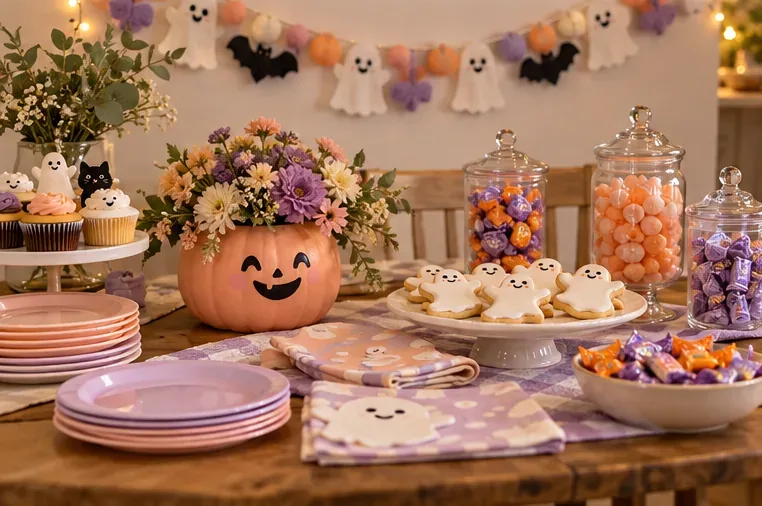
Create a gentle Halloween look with pastel colors, friendly ghosts, easy no-carve accents, and practical safety tips for your home.
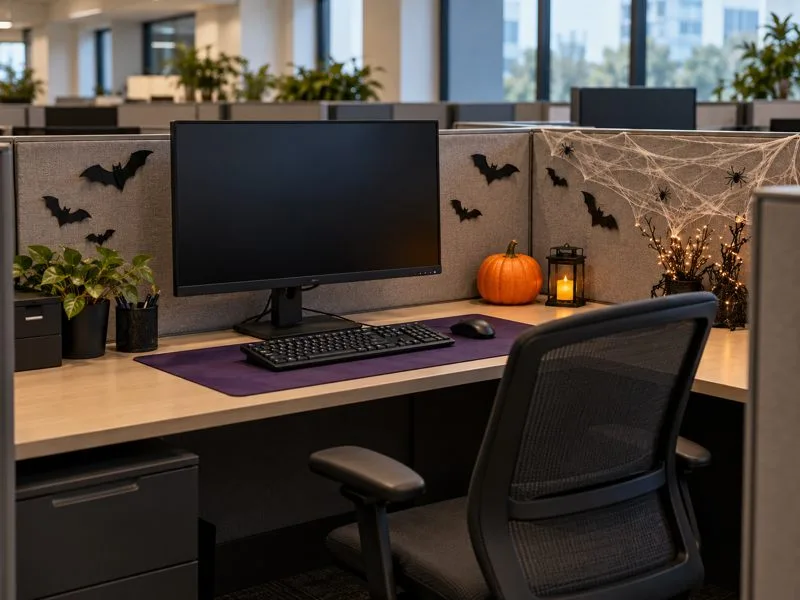
Create a spooky office cubicle with Halloween desk decor ideas that keep your workspace usable, tidy, and mindful of workplace safety.