Stainless steel is virtually rust-proof thanks to its chemical composition that creates a protective layer on its surface, preventing oxygen from coming into contact with the iron.
Steel usually rusts when iron reacts with oxygen, forming iron oxide, which can corrode the iron, making the material less safe and more unsightly. The chemical composition of stainless steel prevents oxygen in the air and environment from coming into contact with the iron in the steel, helping to prevent harmful oxidation reactions.
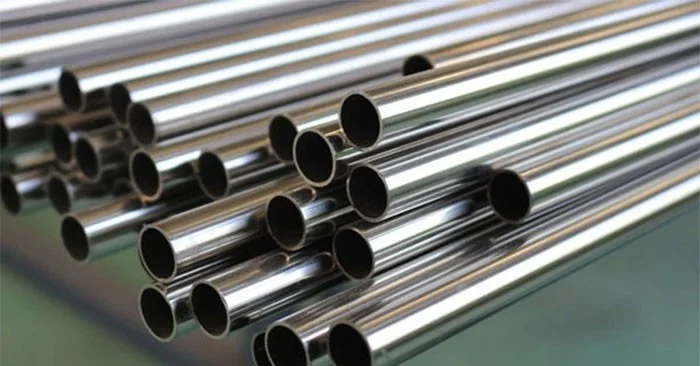
Stainless steel typically contains about 62-75% iron, 1% carbon, more than 10.5% chromium, and a few percent nickel, making the material more durable and easier to process. Meanwhile, steel is usually an alloy containing 99% iron and about 0.2-1% carbon.
According to materials scientist Tim Collins, secretary general of Worldstainless, a Belgian non-profit that collaborates with the World Steel Association, chromium plays a key role in helping stainless steel resist rust.
Chromium reacts with oxygen in the environment, both in air and underwater, creating a passive layer of chromium oxide (Cr2O3) on the metal surface, preventing oxygen from contacting the iron in the steel and creating rust.
The chromium oxide layer on stainless steel is only a few nanometers thick, is invisible, and can heal itself if damaged. It is inert, does not react chemically with other compounds, and does not leach out. These properties make stainless steel well suited for food production, surgery, and many other applications.
Stainless steel was developed by British metallurgist Harry Brearle in 1912 while researching steel alloys to prevent corrosion in gun barrels. Brearley created an alloy of iron, carbon, chromium and nickel, but he threw it out the back of his house because it was not suitable for gun barrels. After a few weeks, he found that the alloy in his yard did not rust, so he used it to develop the material and introduced the product in 1915.
Stainless steel production is complex and involves special metal components in the alloy (such as molybdenum for underwater applications), so the production cost is 3 - 5 times higher than regular steel. Therefore, most applications that require steel today use regular steel or carbon steel.