Kawaii Halloween Decor Without Gore or Jump Scares

Create a gentle Halloween look with pastel colors, friendly ghosts, easy no-carve accents, and practical safety tips for your home.
Apple unveiled a slew of AI features at WWDC24 , promising powerful tools for iPhones, iPads, and Macs. But can Apple really guarantee privacy in an AI world? Apple’s on-device and private cloud solutions are impressive, but the integration of ChatGPT creates a potential vulnerability.
How Apple Plans to Turn Its AI into a Privacy Tool
Apple unveiled a number of AI features at WWDC24 that will be available on all supported Macs, iPhones, and iPads by the end of 2024. But AI and privacy don’t usually go hand in hand, and Apple has made bold but sensible privacy commitments.
On-device processing
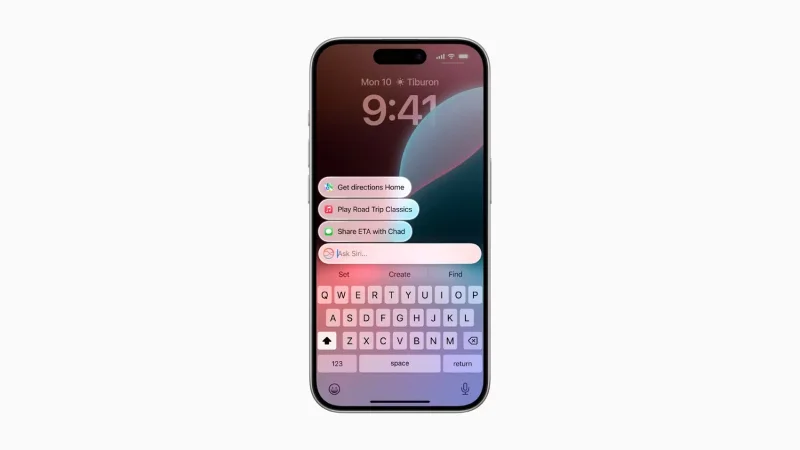
Typically, AI operations require significant processing power, a resource that most standard phones and laptops lack. However, with the advent of Apple silicon, all Macs, iPhones, and iPads equipped with M-series or A17 Pro (and later) chips will be able to locally execute most generative AI models , including Apple’s language models.
Apple has been developing its proprietary Apple Neural Engine (ANE) to handle Machine Learning and AI for some time now. Over the years, it has become more efficient at handling AI requests without having to hand them over entirely to the CPU or GPU. Most of Apple’s AI models will actually run offline and remain private.
Private Cloud Compute (PCC)
However, your Apple device may not be able to handle some AI requests locally. While Apple stated this during WWDC24, it did not specify or provide examples of what requests would be too much for the local offline processor. The examples are speculative, but Apple says that “complex requests” could crash your device.
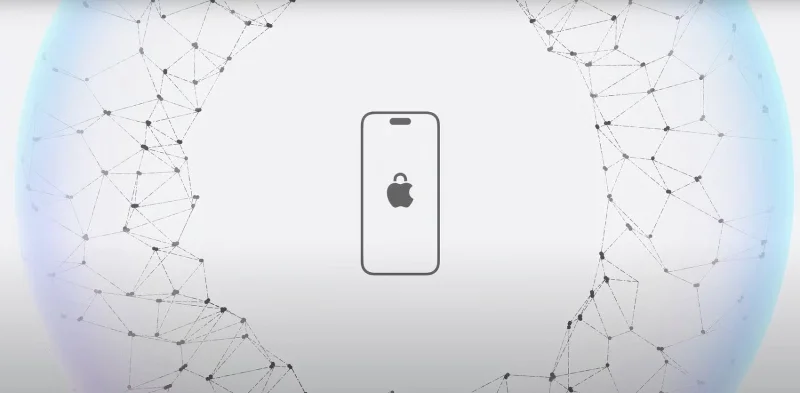
Apple’s solution is Private Cloud Computing (PCC), a cloud-based AI processor built with Apple’s custom silicon. It emphasizes privacy and transparency and comes with its own Secure Enclave, similar to Apple’s device protection solution. When using PCC, AI requests are immediately deleted after processing, and no one, including Apple, can access the data through a backdoor. To further build trust, Apple offers verifiable transparency, allowing third-party security researchers to audit software running on PCC nodes.
ChatGPT poses major privacy risks
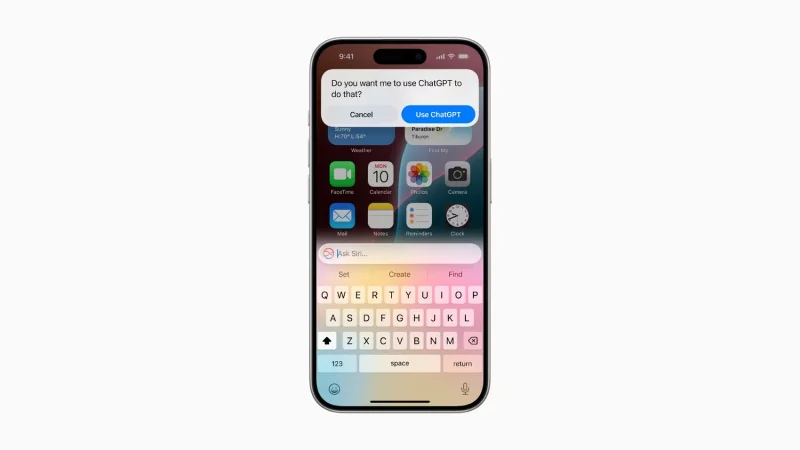
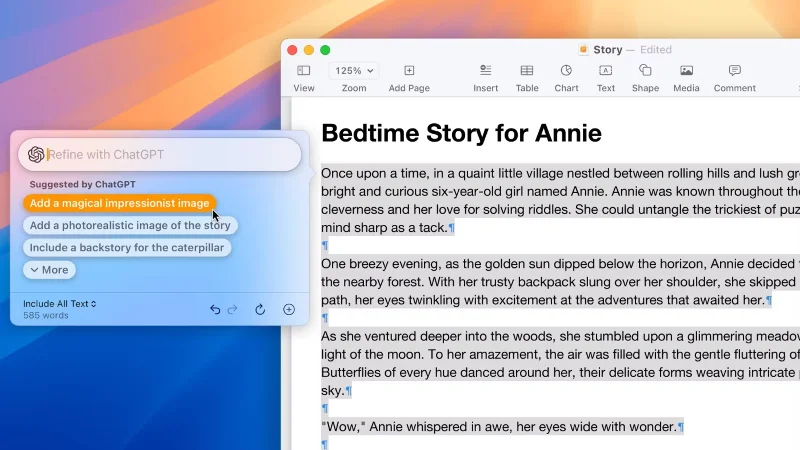
On-device processing and PCC are both great privacy measures, but there’s still one aspect of Apple Intelligence that’s questionable: ChatGPT . For those who don’t know, Apple plans to integrate ChatGPT into its AI experiences, including Siri. These AI applications will tap into ChatGPT’s broader knowledge base and borrow its image processing capabilities.
To be fair, Apple has taken some steps to ensure user privacy when using ChatGPT. For example, when you send a request to OpenAI, the device obfuscates your IP address and no records are created about you. Additionally, all ChatGPT requests require your permission in advance, and you have to grant it each time.
Note : Despite Elon Musk's claims, OpenAI cannot access all the data on a user's device; ChatGPT can only process the information presented in its prompt.
However, ChatGPT’s most powerful features require a subscription, and you’ll need to connect to your paid account to enjoy them. Doing so, however, will subject you to OpenAI’s privacy policy. OpenAI’s privacy policy allows it to collect personal information, log your usage, train models on personal information, share your data with third parties, and many other related implications.
While there are ways to opt out of some of ChatGPT’s privacy violations, most of the solutions are roundabout and OpenAI can easily avoid them. It seems that avoiding ChatGPT on Apple’s AI (especially on macOS) will be difficult, if not impossible. Depending on how you use Siri or Compose, you may find yourself relying heavily on ChatGPT, leaving much of your personal data in OpenAI’s hands.
Create a gentle Halloween look with pastel colors, friendly ghosts, easy no-carve accents, and practical safety tips for your home.
Create a spooky office cubicle with Halloween desk decor ideas that keep your workspace usable, tidy, and mindful of workplace safety.
Plan a recognizable Halloween 2026 look with pop culture costumes inspired by Spider-Man, Supergirl, Toy Story 5, Moana, Mario, and Wednesday.
Sort leftover Halloween candy safely, share or repurpose sealed treats, and choose food use or compost for pumpkins based on their condition.
Compare workplace Halloween costume choices by respect, dress code, mobility, and safety—and learn when a subtle accessory or a policy check is the better option.
Find a couples costume that fits your style, budget, and comfort level, from Addams Family classics to original inside-joke duos.
Need a last-minute high school Halloween costume? Compare 10 easy closet-based ideas by prep time, comfort, school-day practicality, and simple safety checks.
Use a simple 2026 Halloween decorating timeline for indoor décor, outdoor displays, and fresh pumpkins, with practical adjustments for weather and events.
Mix five vivid, approachable Halloween cocktails with measured recipes, simple prep tips, and an alcohol-free option for your party guests.
Find 15 office-friendly Halloween costume ideas for 2026, with practical checks for dress codes, respectful themes, comfort, and workplace safety.