
Move ownCloud Files to a New Owner Without Losing Shares
Transfer owned files and outgoing shares with ownCloud’s occ command, understand what stays behind, and verify access before deleting the old account.
After the initial excitement about using Apple Intelligence died down, many people couldn't get past the frustration and inconsistency of many of its features. Ultimately, many people decided to use their iPhones without Apple Intelligence.
It doesn't add much value to the iPhone experience.
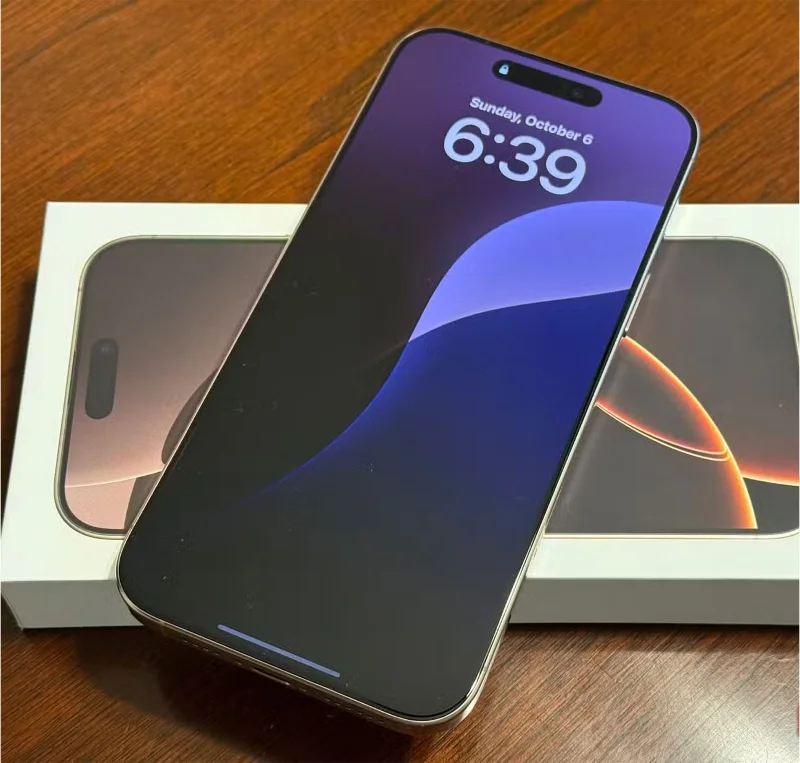
Before we get started, it’s worth noting that Apple Intelligence includes some interesting features. These include an enhanced Focus mode that intelligently filters out alerts and a Clean Up tool that lets you remove distracting elements from photos.
But overall, the current crop of AI features on phones doesn’t excite people or add any value to their daily activities or routines. Take Notification Summary, for example, which can provide summaries of emails and other alerts. If you get a lot of long emails, you can see how this could be useful. But in my experience, it often misses important details.
This means you have to open the email and read it, which defeats the purpose of the feature to summarize communications in the first place. And that’s not even mentioning that Apple had to disable notification summaries for certain types of content because they kept giving the wrong information.
Smart Reply has suffered from a similar problem. During testing, users were constantly having to tweak suggested responses, which meant they weren’t saving time. At this point, these features don’t improve workflow enough to warrant long-term use.
Everything is still a work in progress
It’s not unusual for new software features to be released in waves, so you certainly can’t expect to have access to every Apple Intelligence feature right away. But the ones that are available now seem a bit half-baked.
The new and improved Siri , despite all the hype, is only marginally better. Smart Reply strips all the personality out of your supposed “replies,” leaving you wondering why you didn’t just compose your own. At this point, it’s clear that Apple will need some time to perfect these features. It’s best to keep Apple Intelligence turned off until after the next few updates. In the meantime, there are other apps you can use to get Apple Intelligence features on your phone.
Using Apple Intelligence features causes device to overheat
This isn’t an issue that everyone using Apple’s AI will encounter, but many people have found their phones getting a little hotter than usual when using features like Genmoji and Image Playground, which seem to require more processing power than other AI features.
There are many reasons and ways to fix your iPhone getting hot . In case you have a fairly new device and the overheating only occurs when using specific Apple Intelligence features, it may make more sense to turn it off completely.
How to turn off Apple Intelligence on iPhone
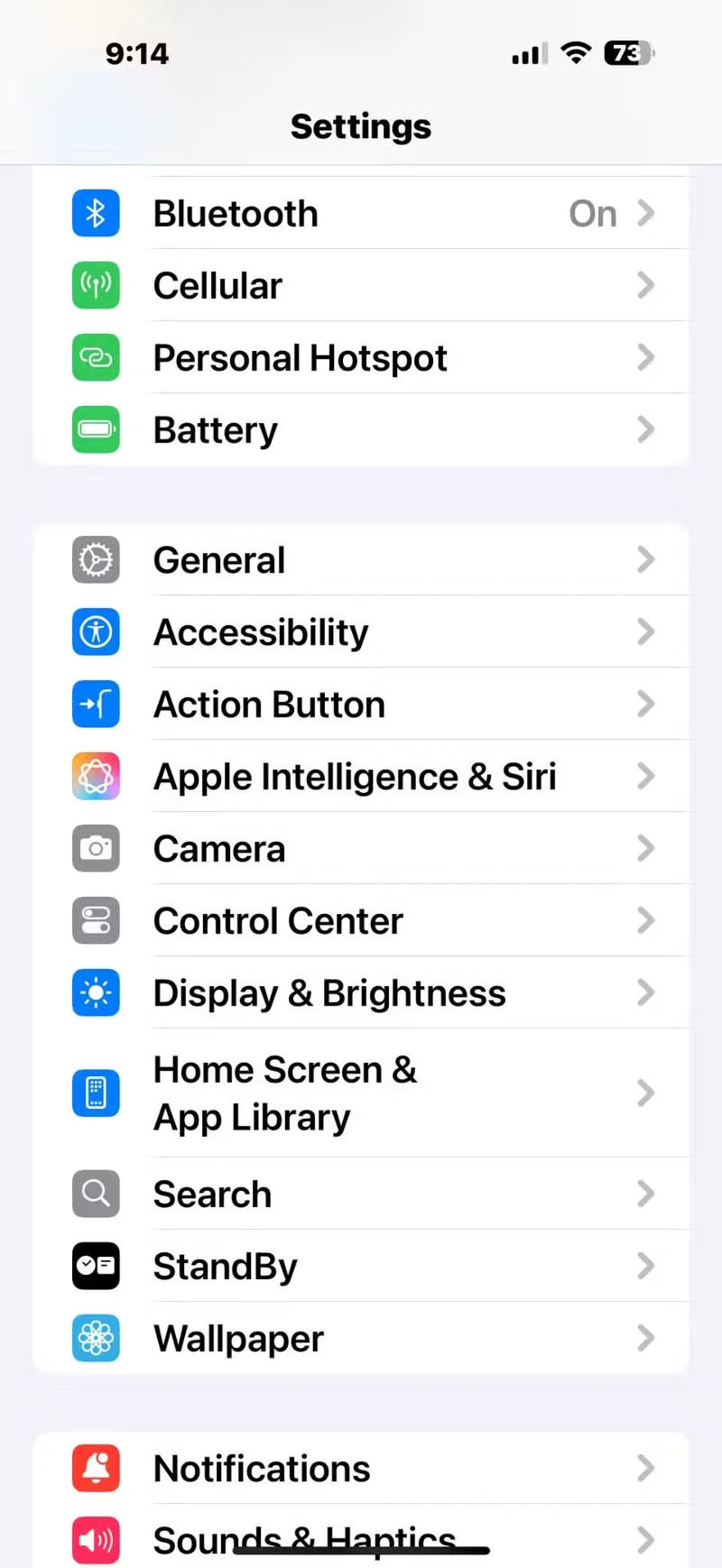
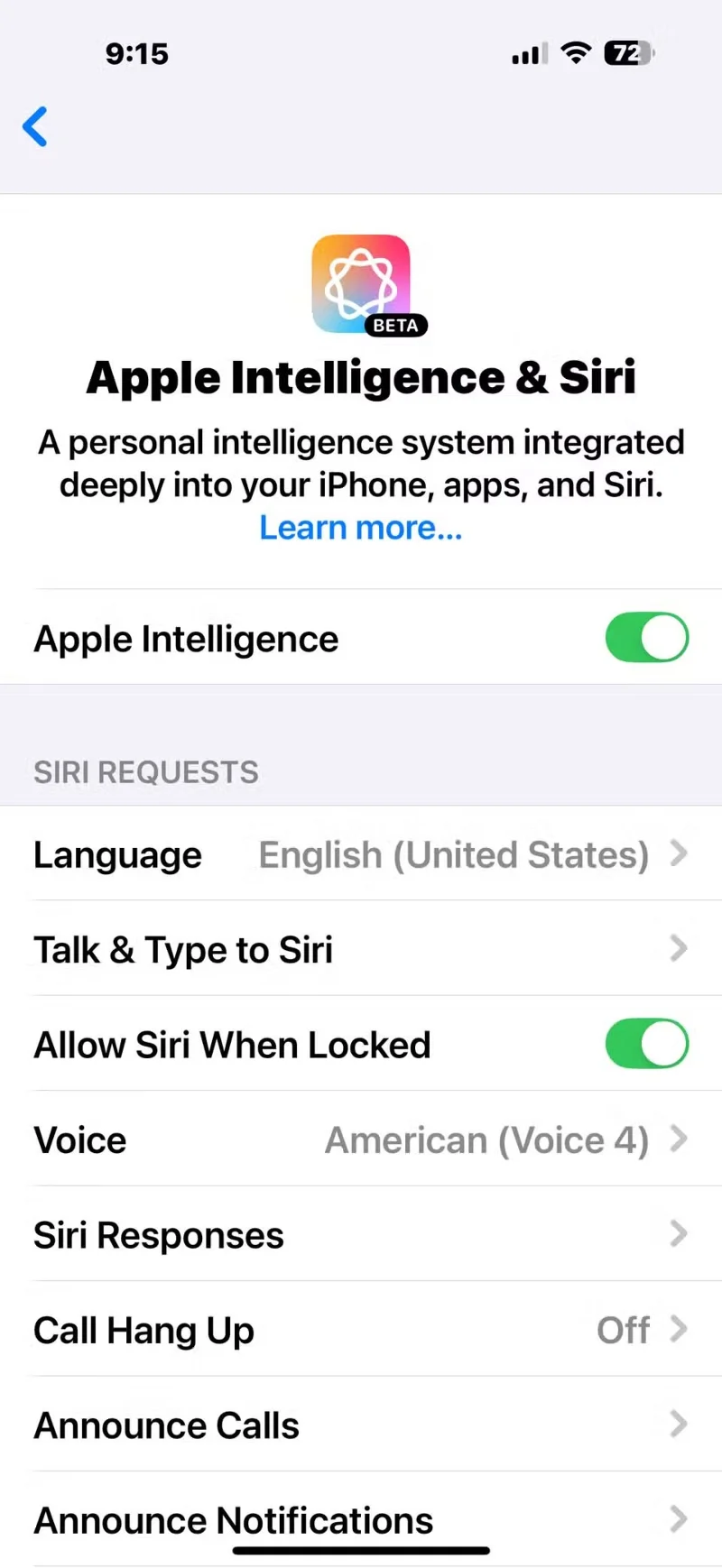
If you want to turn off Apple Intelligence, here's what to do:
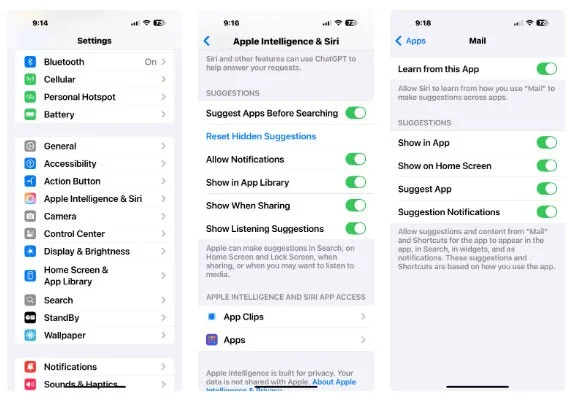
If you don't want to turn off Apple Intelligence completely, you can also turn it off for specific apps. From the same Apple Intelligence & Siri menu :
For more control, go to Settings > Screen Time > Content & Privacy Restrictions . Turn on the toggle at the top, then tap Intelligence & Siri and you can turn off individual Apple Intelligence features.
It’s a stretch to say that AI features like those accessible through Apple Intelligence are a waste of time. While they can be incredibly useful, many people won’t turn them back on any time soon.
Transfer owned files and outgoing shares with ownCloud’s occ command, understand what stays behind, and verify access before deleting the old account.
Learn when ownCloud 10 database indexes need attention, how to apply supported schema updates safely, and when query tuning or a database change is the better fix.
Connect a Windows or Samba network share to ownCloud through External Storage, verify credentials, and troubleshoot inaccessible folders safely.
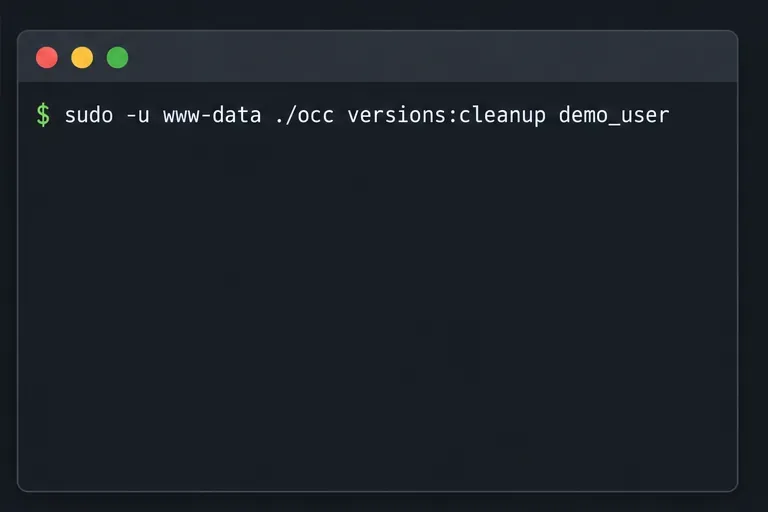
Remove every stored ownCloud Server Classic file version for one account or all users, and distinguish a full purge from retention-based expiry.
Trace an ownCloud mobile connection refusal by checking the server URL, phone network, HTTPS endpoint, and server logs in the right order.
Replace on-demand job runs with a systemd timer that runs ownCloud’s supported occ system:cron command every 15 minutes.
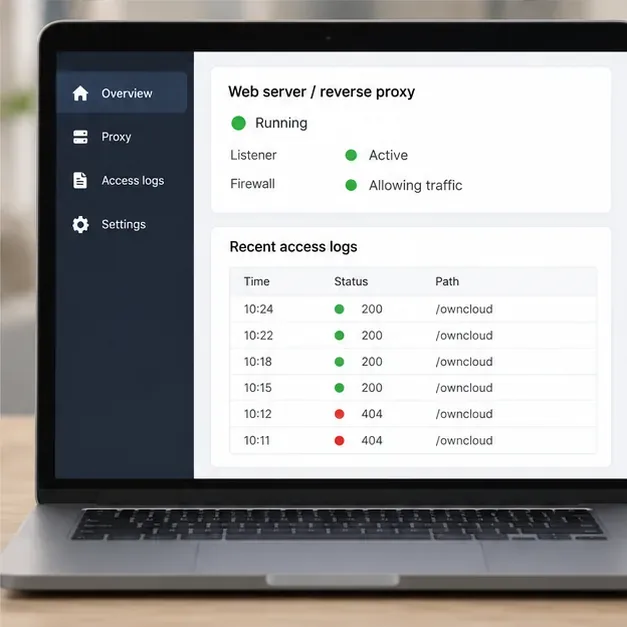
Trace the WebDAV request through Apache, Nginx, or a reverse proxy, then confirm ownCloud sync works with an authenticated PROPFIND test.
Fix Nextcloud’s missing outgoing address warning by setting its canonical URL and checking DNS, HTTPS, and reverse-proxy routing from the server itself.
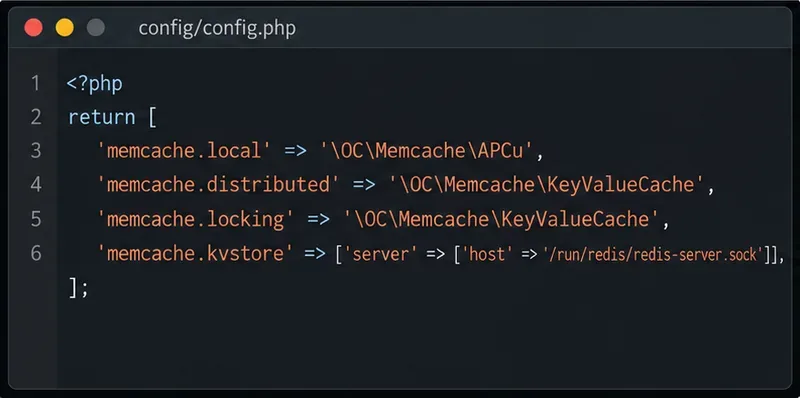
Configure APCu and Redis over a local Unix socket for Nextcloud caching and file locking, with steps for current and older Nextcloud releases.
Check Nextcloud’s cron mode, repair its systemd service and timer, and verify that background jobs run after startup and every five minutes.