How to Use the BoM Melbourne Radar Before You Travel
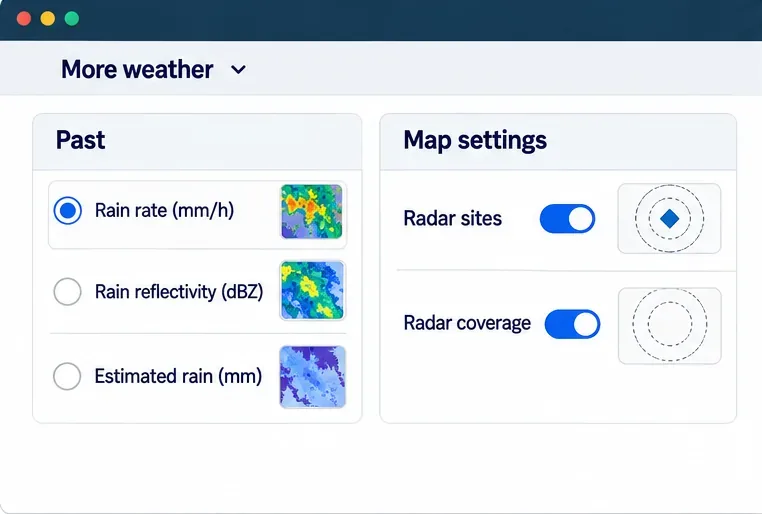
Use the Bureau of Meteorology’s Melbourne radar to locate your route, read rain layers, track approaching echoes, and check warnings before departure.
For most people in the UK, the latest bird-flu detections do not change everyday health or food-safety advice. As of October 25, 2026, the government’s latest UK case table lists two confirmed poultry outbreaks for the 2026–27 season: H5N5 in Scotland and H5N1 in England. It lists no cases in Wales or Northern Ireland. The UK Health Security Agency (UKHSA) says the risk to the general public is very low, and the Food Standards Agency (FSA) says properly cooked poultry and poultry products, including eggs, remain safe to eat. People should still avoid touching sick or dead wild birds, while bird keepers need to follow any rules for their specific location.
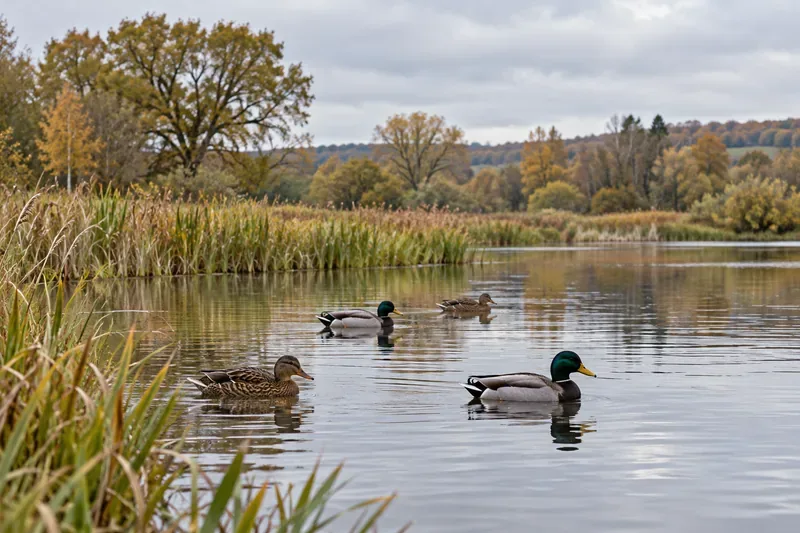
The latest GOV.UK situation update records highly pathogenic avian influenza (HPAI) H5N5 in commercial backyard poultry at Ness on the Isle of Lewis, Scotland, confirmed October 2, and HPAI H5N1 in commercial poultry near Belford in Northumberland, England, confirmed October 19. The case page says authorities declared a 3-kilometer protection zone and a 10-kilometer surveillance zone around each premises when the infections were confirmed; the English notice also says poultry at the affected premises would be humanely culled.
A protection zone and a surveillance zone are mapped disease-control areas around an infected premises. They can carry rules for bird movements, gatherings, and other activities. Their boundaries and requirements can change, so the distances above describe the official notices and are not a substitute for checking the live map. The same GOV.UK page says Great Britain lost its freedom-from-HPAI status after the first confirmed case. That is an animal-health status; it does not mean bird flu has become a widespread human illness. Northern Ireland’s Department of Agriculture, Environment and Rural Affairs (DAERA) says Northern Ireland’s status remains unchanged, and its latest situation page lists no outbreak there.
| UK nation | Confirmed cases listed for 2026–27 |
|---|---|
| England | One H5N1 poultry case, confirmed October 19 |
| Scotland | One H5N5 poultry case, confirmed October 2 |
| Wales | No cases listed |
| Northern Ireland | No cases listed |
Avian influenza, often called bird flu, is an influenza A virus infection that primarily affects birds. People can sometimes become infected after close contact with infected birds, their feathers or droppings, or places those birds have contaminated. Human infections are rare, but can be serious. The current UKHSA assessment on the government’s latest situation page is that the risk to the general public’s health is very low. “Very low” is a risk assessment, not a claim that contact with infected animals is harmless.
In the official classification, “highly pathogenic” describes the virus’s disease impact in birds; it is not a rating of the risk to people. The government’s technical overview explains that outcomes vary by bird species. The current GOV.UK page separately reports a medium risk of H5 infection among wild birds in Great Britain and estimates poultry exposure risk as low with poor or suboptimal biosecurity, and very low where stringent biosecurity is consistently applied. Those poultry estimates are marked with high uncertainty. The risk-level assessment shown there was updated October 1, before the October 2 and October 19 detections, so it should not be mistaken for a fresh analysis of those specific outbreaks.
Do not touch or move a sick or dead wild bird, and keep a sensible distance. In England, Scotland, and Wales, you can report dead wild birds through the government’s online reporting service or by calling Defra at 03459 33 55 77. Reports help authorities monitor disease, but not every reported bird will be collected or tested. In Northern Ireland, use DAERA’s dead wild bird reporting tool.
If you have touched wild bird droppings or feathers, wash your hands thoroughly with soap and water. If a health or animal-health professional tells you that a bird you contacted may have had avian influenza, contact your local health protection team for advice. UKHSA says the team can assess and monitor people who have been exposed and advise on any testing or treatment that may be needed. If an injured bird is on your property and you believe it needs help, phone a veterinary practice or wildlife organization before taking it there; advance notice helps protect other animals at the site.
For keepers, the practical risk is different from the general public’s health risk: infection can threaten a flock and can trigger legal control measures. If you suspect bird flu in poultry or other captive birds, report it immediately, even if signs are mild. In England, contact the Animal and Plant Health Agency (APHA) at 03000 200 301; in Wales, call 03003 038 268; in Scotland, contact your local APHA Field Services Office. In Northern Ireland, contact DAERA. The current government reporting guidance lists the routes and explains what to do.
Check the current disease-control map and the rules for the nation and zone where your birds are kept. Do not move birds, eggs, equipment, or other regulated material, or arrange a gathering, on the assumption that rules are the same across the UK. A local protection or surveillance zone can impose requirements even when a broader prevention order has been lifted. Keepers should maintain strong biosecurity, reduce opportunities for wild birds to contact feed or water, and follow the latest official instructions. For example, England’s current prevention guidance recommends keeping feed, water, and bedding protected from wild birds and applying mandatory biosecurity measures. Use the relevant national authority’s guidance to confirm what applies to your premises before taking action.
Yes. The FSA says bird flu poses a very low food-safety risk to UK consumers and does not change its advice on poultry products, including eggs and game birds. Properly cooked poultry and poultry products are safe to eat. Follow normal food-safety practice: cook poultry thoroughly, avoid cross-contamination between raw meat and ready-to-eat food, and follow package instructions. The outbreak reports concern infected bird premises; they are not a notice that ordinary retail chicken or eggs are unsafe.
The confirmed cases matter for affected flocks, nearby keepers, and the animal-health measures used to contain infection. For people who are not handling birds, the current official message is narrower: avoid contact with sick or dead wild birds, use the appropriate reporting route, and continue ordinary safe food handling. Bird owners should check the map and applicable national rules because local restrictions can change. For a status update, start with the latest Defra/APHA page for Great Britain or DAERA for Northern Ireland; a headline or an older screenshot may not reflect today’s zone boundaries.
Information checked against official UK government, UKHSA, FSA, and DAERA pages on October 25, 2026. Outbreak status and disease-control zones can change after publication.
Use the Bureau of Meteorology’s Melbourne radar to locate your route, read rain layers, track approaching echoes, and check warnings before departure.
A practical Queensland flood guide: check BoM radar, read warnings, verify local roads and council updates, and know what to do if conditions worsen.
Two poultry cases have been confirmed in Great Britain this season. Here is what UK residents, bird keepers, and consumers need to know about health risks, reporting, and food safety.
The UK’s Be Ready campaign recommends three days of emergency essentials. Learn why it launched, what to keep at home, and how to prepare without panic buying.
DVLA’s October warning does not mean new tests have started. Learn the current age-70 renewal rules, eyesight and medical checks, and what remains a proposal.
Get the Iowa vs. Minnesota game guide: Oct. 24 kickoff in Minneapolis, CDT and UTC times, Huntington Bank Stadium, FS1, FOX One, radio, and Floyd of Rosedale storylines.
Tennessee visits South Carolina on Oct. 24 at Williams-Brice Stadium. Check the 3:30 p.m. EDT kickoff, ESPN coverage, key players and game-day basics.
Texas A&M vs. Alabama is set for Saturday, October 24, at 2:30 p.m. CDT (UTC−05:00). Find the ABC broadcast, ESPN app, official live stats, and radio options.
Learn about Daniel Stewart’s Port Adelaide career, path to the AFL, key statistics, and what the club has confirmed in its latest announcement.
Queensland Police say four people were injured in a Loganholme shooting on October 24, 2026. Review confirmed details and official update channels.