How to Use the BoM Melbourne Radar Before You Travel
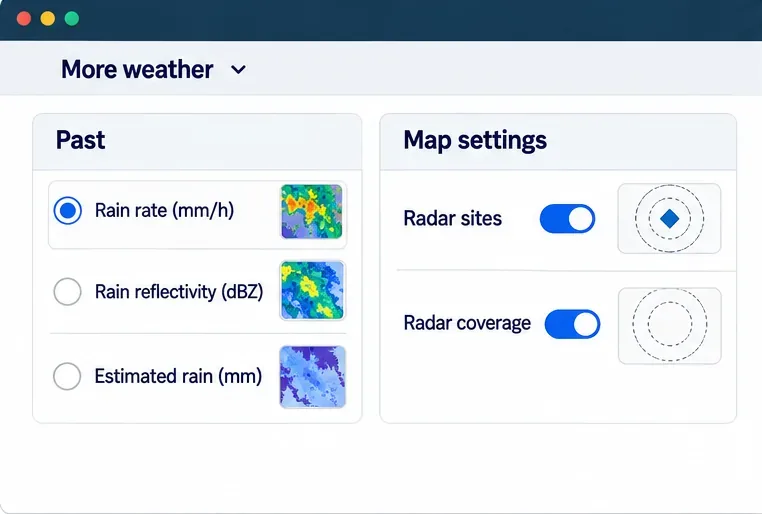
Use the Bureau of Meteorology’s Melbourne radar to locate your route, read rain layers, track approaching echoes, and check warnings before departure.
On October 22, 2026, the UK Cabinet Office published a new “Be Ready” campaign encouraging households to keep a small supply of essentials for three days. The aim is to help people cope if an emergency temporarily interrupts services such as power, water, phones, or internet access. The central advice is practical: check what you already have, plan for the needs of your household, and build up supplies gradually.
The word stockpile can suggest buying large quantities in a rush. That is not what the official checklist describes. It focuses on three days of basics and says people do not have to complete every step or buy everything at once. This is best understood as contingency planning for temporary disruption, not a notice that a specific shortage or emergency is imminent.
| Question | What the guidance says |
|---|---|
| How long should supplies last? | Three days, or 72 hours, as a basic planning window. |
| Why prepare? | Severe weather and other emergencies can temporarily affect services people rely on. |
| Do you need to shop all at once? | No. Check your cupboards first and add items over time when you can. |
| Is this a warning of an imminent shortage? | The published advice is general preparedness guidance; it does not announce a specific impending shortage. |
The Cabinet Office says the new “Be Ready” campaign is the first stage of a three-year effort to help households across the UK prepare for events that could disrupt everyday services. Its announcement points to storms during the previous winter and wildfires during the summer as examples of severe weather that can affect communications, power, water, and internet access. The government also says it worked with local resilience forums so the advice reflects local communities.
The practical reason for a household reserve is that services do not always recover at the same moment. A power outage can affect lighting, phone charging, cooking, and electronic payments; a water interruption can make drinking and washing harder; a phone or broadband outage can make it more difficult to receive updates. Keeping a few essentials at home gives a household options while it follows local instructions and waits for services or assistance to reach people who need more support.
The government says the three-day planning period is also used in preparedness advice in France, Ireland, and the Netherlands. That is a planning horizon, not a promise that every emergency will be resolved within 72 hours. Nor does the campaign say each household should be fully self-sufficient in every situation. It says being ready can help reduce pressure on emergency services so they can prioritize people who need greater assistance.
For readers asking whether the announcement signals a coming crisis, the wording matters: the official advice is framed around what to do if everyday services are disrupted. It lists a range of possible hazards rather than naming one forecast event. That makes the guidance a general resilience measure, not evidence on its own that food, water, or fuel supplies are about to run short.
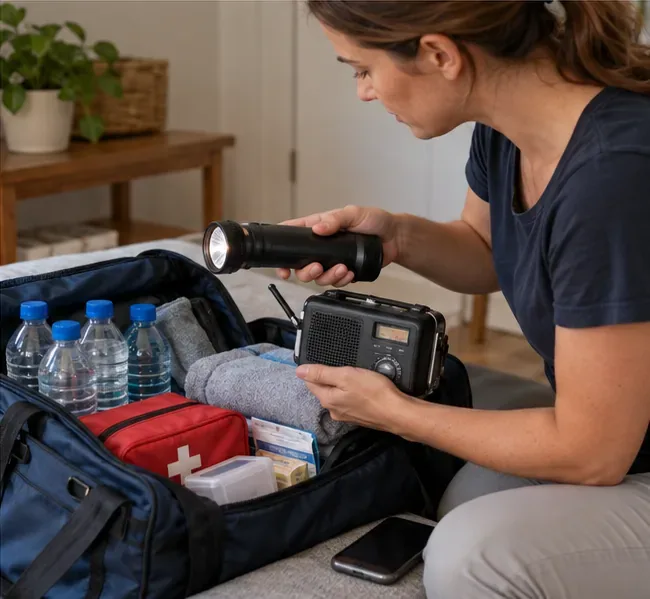
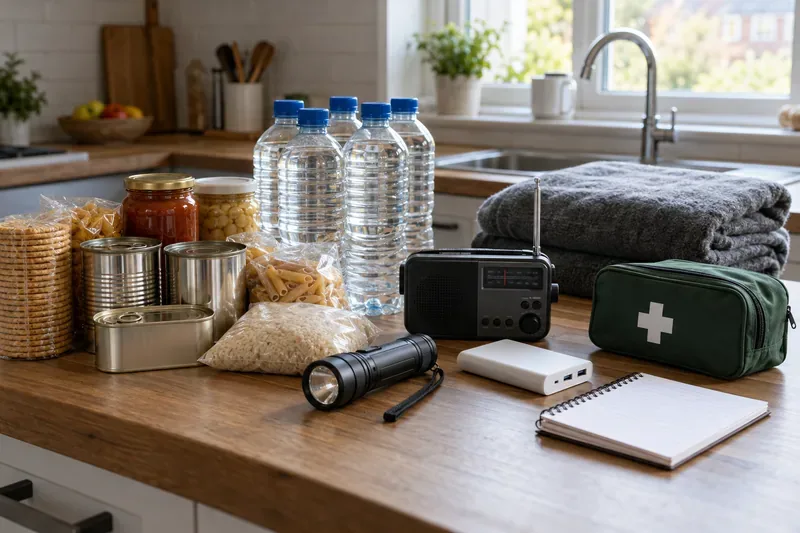
The official Be Ready checklist groups supplies by what they help a household do. Use it as a starting point and adapt it to the people, pets, medicines, and local risks in your home.
A home supply kit is not a substitute for emergency instructions. If authorities tell people to evacuate, follow that instruction; if someone is in immediate danger in the UK, call 999. During an incident, the government advises people to pay attention to local authorities, emergency services, government channels, and UK Emergency Alerts. Local hazards vary across England, Scotland, and Wales, so check the appropriate local guidance instead of assuming every area faces the same risks.
The short version is simple: the government is asking people to be ready for a few days of disruption, not to clear store shelves. Check what is already at home, add essentials at a pace that fits your budget, and make the plan specific to your household. The official Cabinet Office announcement and checklist provide the current details.
Use the Bureau of Meteorology’s Melbourne radar to locate your route, read rain layers, track approaching echoes, and check warnings before departure.
A practical Queensland flood guide: check BoM radar, read warnings, verify local roads and council updates, and know what to do if conditions worsen.
Two poultry cases have been confirmed in Great Britain this season. Here is what UK residents, bird keepers, and consumers need to know about health risks, reporting, and food safety.
The UK’s Be Ready campaign recommends three days of emergency essentials. Learn why it launched, what to keep at home, and how to prepare without panic buying.
DVLA’s October warning does not mean new tests have started. Learn the current age-70 renewal rules, eyesight and medical checks, and what remains a proposal.
Get the Iowa vs. Minnesota game guide: Oct. 24 kickoff in Minneapolis, CDT and UTC times, Huntington Bank Stadium, FS1, FOX One, radio, and Floyd of Rosedale storylines.
Tennessee visits South Carolina on Oct. 24 at Williams-Brice Stadium. Check the 3:30 p.m. EDT kickoff, ESPN coverage, key players and game-day basics.
Texas A&M vs. Alabama is set for Saturday, October 24, at 2:30 p.m. CDT (UTC−05:00). Find the ABC broadcast, ESPN app, official live stats, and radio options.
Learn about Daniel Stewart’s Port Adelaide career, path to the AFL, key statistics, and what the club has confirmed in its latest announcement.
Queensland Police say four people were injured in a Loganholme shooting on October 24, 2026. Review confirmed details and official update channels.