Pardus 23 Sound Card Missing? Check ALSA and Restore Audio
Find out why Pardus 23 cannot detect your sound card, then use targeted ALSA, firmware, and PipeWire or PulseAudio checks to restore playback.
Imagine diving deep into a crucial work project or binge-watching your favorite series, only for your Windows 11 laptop to suddenly go into hibernate mode and shut everything down. Frustrating, right? 😩 Auto hibernate is a power-saving feature designed to conserve battery life, but it can disrupt your flow when you need your device to stay awake. The good news? You can easily disable auto hibernate on Windows 11 laptops with a few tweaks. This guide walks you through proven methods to keep your sessions running smoothly, all while maintaining battery health. Let's reclaim your uninterrupted computing experience!
Before we jump into fixes, understanding the "why" helps. Auto hibernate kicks in after a period of inactivity to save power—typically when your laptop is on battery or plugged in. It's part of Windows 11's advanced power management, which balances performance and efficiency. However, default settings (often 30-60 minutes of idle time) might not suit everyone, especially power users or those multitasking across apps.
Disabling it won't drain your battery excessively if used wisely; instead, it empowers you to control when your laptop rests. Ready to take charge? Follow these steps for a hassle-free setup. We'll start with the simplest methods and build from there.
The easiest way to disable auto hibernate on Windows 11 laptops is through the built-in Settings app. No advanced tools needed—just a few clicks. This method targets screen and sleep timeouts, which often trigger hibernate indirectly.
Pro tip: If hibernate still occurs, it's likely due to the deeper hibernate file (hiberfil.sys). We'll cover that next. This tweak alone keeps most users happy and productive—give it a try and feel the difference! ✨
For a more thorough solution, disable the hibernate feature entirely. This removes the hiberfil.sys file, freeing up disk space (up to several GB on larger drives) and preventing any auto triggers. It's reversible, so no worries about permanence.
Warning: This affects Fast Startup too, which might slightly slow boot times. But for uninterrupted use, it's worth it.
powercfg /hibernate offTo re-enable later, use powercfg /hibernate on. Voilà! Your Windows 11 laptop won't hibernate anymore, giving you full control. Users report smoother multitasking after this—imagine editing documents or streaming without pauses.
If you want granular control without disabling hibernate outright, dive into advanced options. This is ideal for Windows 11 laptops where you need hibernate for long-term power saving but not auto-activation.
This method shines for hybrid users. Pair it with caffeine apps like Microsoft PowerToys for even more tweaks. Feeling empowered yet? Keep reading for troubleshooting tips to ensure success.
Sometimes, settings don't stick due to group policies or driver glitches. Here's a quick table of common problems and fixes:
| Issue | Solution |
|---|---|
| Hibernate ignores "Never" setting | Run sfc /scannow in Admin Command Prompt to repair system files. |
| Laptop hibernates on lid close | In Power Options, set "When I close the lid" to "Do nothing" for your scenarios. |
| Battery drains faster after changes | Monitor with Task Manager; adjust screen brightness or use Balanced plan. |
| Fast Startup conflicts | Disable in Power Options > "Choose what the power buttons do" > Uncheck "Turn on fast startup". |
If issues persist, update your drivers via Device Manager or Windows Update. For official guidance, check Microsoft's support on power management. These steps resolve 90% of hiccups, leaving you with a reliable setup.
Beyond fixes, let's talk perks. Disabling auto hibernate on Windows 11 laptops means quicker resumes from idle—no more reloading tabs or losing unsaved work. It's a game-changer for remote workers, gamers, and creators. Plus, with modern batteries lasting longer, the power savings from hibernate aren't as critical as they once were.
One user shared: "My sessions now flow seamlessly— no more interruptions during video calls!" 👏 To optimize further, combine with these tips:
Curious about related tweaks? Explore sleep mode adjustments next time for even finer control.
With these methods, you've got the power to stop auto hibernate on your Windows 11 laptop and enjoy distraction-free computing. Start with the Settings app for quick wins, then customize as needed. Your device, your rules—happy computing! If you try these, drop a comment below on how it went. 🚀
Find out why Pardus 23 cannot detect your sound card, then use targeted ALSA, firmware, and PipeWire or PulseAudio checks to restore playback.
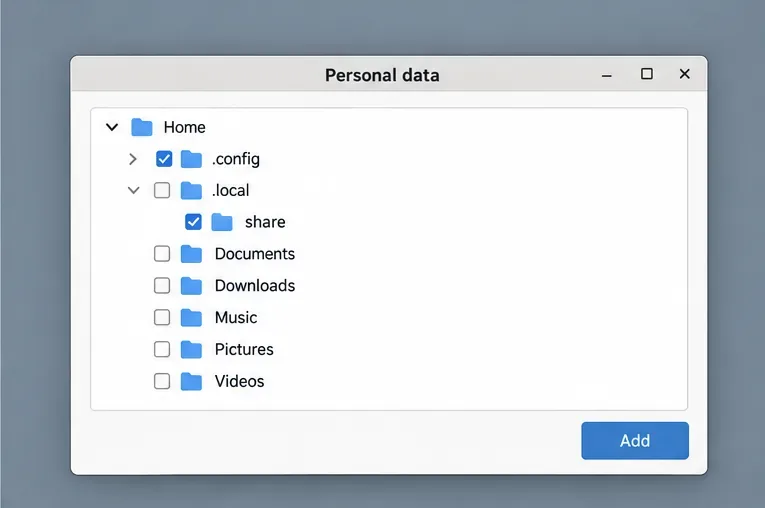
Save HamoniKR preferences to external storage, include hidden home folders, and choose a safe restore mode when moving to a fresh installation.
Install and configure xrdp on Pardus, choose the right Xfce session, restrict network access, and verify that remote login works.
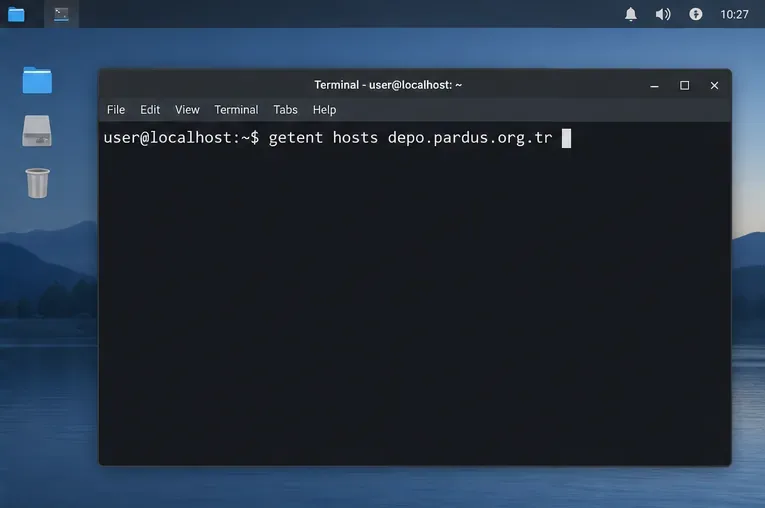
Diagnose Pardus 23 APT connection failures, confirm the official yirmiuc sources, and restore apt update without bypassing package signature checks.
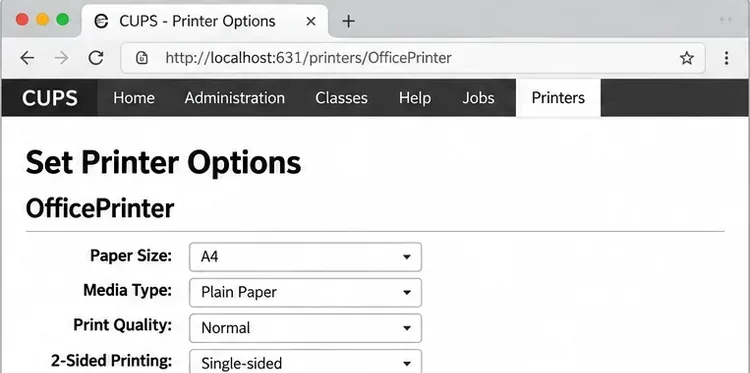
Configure printers on Harmonica OS using CUPS, compare driverless IPP with legacy drivers, and verify USB or network printing with a test page.
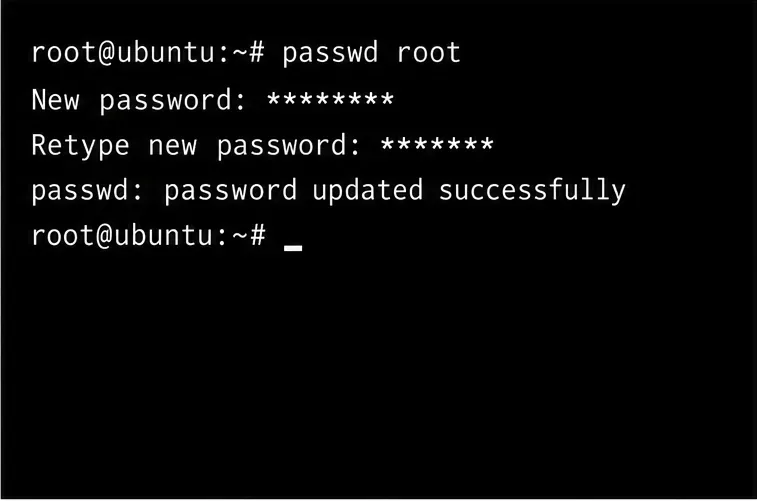
Use a recovery shell to set a new Harmonica OS root password, with checks for encrypted disks, read-only filesystems, and accounts that use sudo.
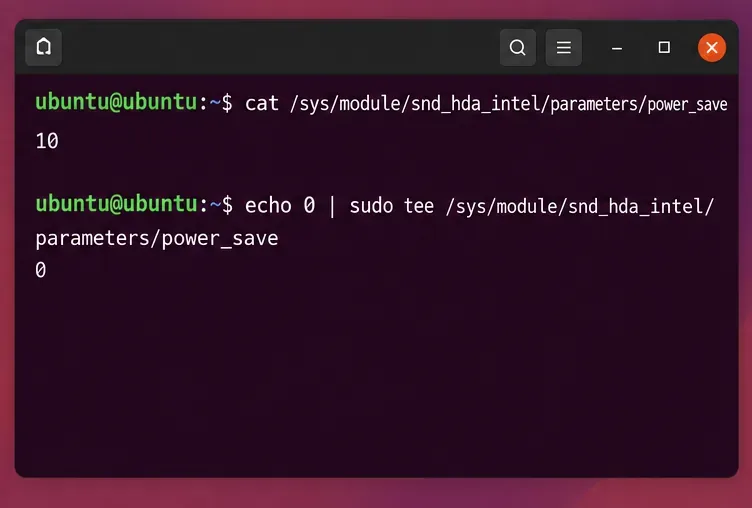
Trace whether clipping, ALSA format conversion, or HDA power saving is causing Ubuntu 24.04 audio distortion, then apply the matching reversible fix.
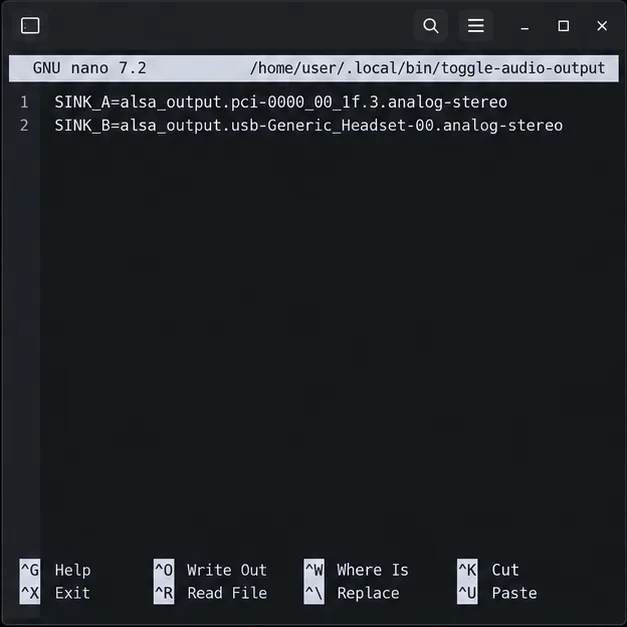
Switch Debian audio between named PipeWire outputs with a pactl script that updates the default sink and reroutes streams already playing.
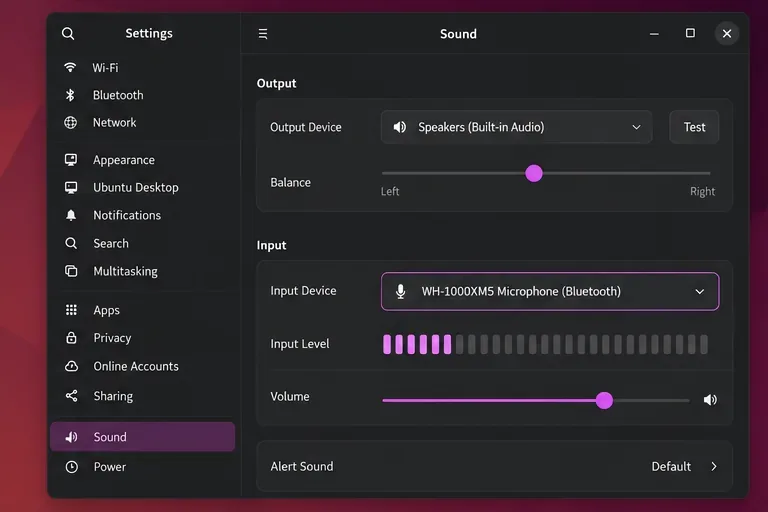
Get your Bluetooth headset mic working by selecting the right input, using a hands-free audio profile, and checking Ubuntu’s PipeWire route.
Learn why Flatpak apps may ignore Ubuntu 24.04 GTK themes and follow safe steps to check theme extensions, refresh Flatpak apps, and diagnose portal issues.