How to Use the BoM Melbourne Radar Before You Travel
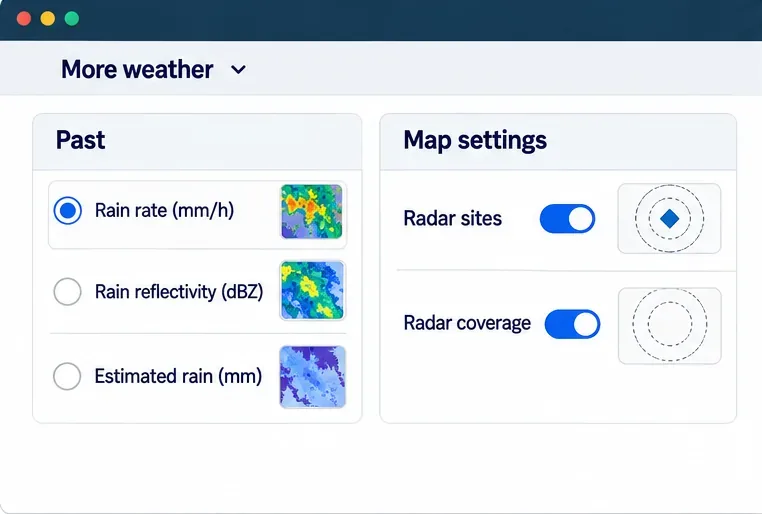
Use the Bureau of Meteorology’s Melbourne radar to locate your route, read rain layers, track approaching echoes, and check warnings before departure.
Headlines about HM Revenue & Customs (HMRC) “accessing bank accounts” can sound like the tax authority can watch every purchase or sign in to anyone’s banking app. That is not what the published powers describe. The practical answer depends on which of three different processes is involved: a case-specific request for records, routine reporting of bank interest, or recovery of an established tax debt. Knowing which one applies helps you check a notice calmly and respond before a deadline.

HMRC has legal powers to request information from banks and other financial institutions. Those powers do not amount to an unrestricted, continuous view of every customer’s account. A separate regime allows HMRC to collect some unpaid debts directly from an account, subject to eligibility rules and notice periods. Regular bank reporting about savings interest is a third process that operates on a schedule.
These categories matter because a request for documents is not the same as a freeze or deduction, and a debt-collection notice is not evidence that HMRC has been tracking everyday spending. A bank may also report interest under routine tax rules without receiving an individual investigation request.
A Financial Institution Notice (FIN) is a formal legal notice requiring a bank or another covered institution to provide specified information or documents about a named taxpayer. HMRC says it may use a FIN to check that person’s tax position or take steps to collect a tax debt. It may also use one to obtain information requested by an overseas tax authority under tax-information exchange rules.
A FIN request must be reasonably required for the stated tax purpose, and an authorized HMRC officer must approve it. The officer must consider whether complying would be onerous for the institution. The notice identifies the person it concerns in the usual case, describes what information or documents are required, and explains how and when the institution must respond. The taxpayer is generally told why HMRC needs the information. An independent tax tribunal can allow HMRC to withhold that notice where informing the taxpayer could undermine an assessment or collection action.
HMRC’s customer factsheet says the institution cannot appeal the FIN itself, though it can raise concerns about an onerous request or ask for more time. It also explains that the notice cannot require material the institution does not hold and cannot obtain. The point for customers is that a FIN is a targeted legal request for relevant records, not a standing permission to browse a person’s entire banking history without a tax purpose.
For context, HMRC’s report published in January 2026 says it issued 1,307 FINs during the 2024–25 reporting year and describes that figure as a very small fraction of the 316,000 compliance checks conducted during the same period. The count is for notices, not necessarily unique people. It shows that this is a defined information power, even though it can be used in domestic tax work as well as international information exchange.
UK banks and building societies already submit information to HMRC annually about interest paid or credited to reportable customers. HMRC says it uses those returns to pre-populate tax accounts, support tax-code notices and calculations, and check whether Self Assessment returns are complete and accurate. This routine return concerns interest data; it should not be confused with a complete record of deposits, card purchases, or transfers.
A newer change has been enacted in the Finance Act 2026. It gives HMRC a framework to require certain third-party data holders to report specified information on an ongoing basis. HMRC’s policy paper says the measure will take effect no earlier than the start of the 2027–28 tax year, and that regulations will set out which organizations report, what information is required, and how often. Its published description covers financial-account interest information and certain card-payment data. The change is therefore a future recurring reporting obligation with defined data categories, not confirmation of an always-on HMRC view of all bank transactions.
Direct Recovery of Debts (DRD) is the name for HMRC’s existing power to recover an eligible tax debt from money in a bank or building-society account, including a cash Individual Savings Account. It is separate from a FIN’s information-gathering purpose. HMRC’s current briefing says DRD is limited to established debts after appeal time limits have passed, where repeated attempts to contact the customer have been ignored. HMRC considers the power for debts over £1,000.
For an individual, HMRC says it will make a face-to-face visit before the debt is considered for DRD. That visit is intended to verify the person and the debt, explain the amount owed, discuss payment options such as Time to Pay, and identify any need for extra support. Companies and limited liability partnerships do not usually receive that visit, but HMRC says they must still have multiple opportunities to discuss and resolve the debt.
There are also account-balance safeguards. HMRC says it will leave at least £5,000 across the customer’s accounts. If it places a hold on funds, the money remains in the bank during a 30-day objection window; it is not transferred to HMRC before that period ends. HMRC says it will decide objections within 30 days. If it rejects an objection, customers can appeal to a county court on specified grounds, including hardship and third-party rights. The exact facts and deadlines on a notice matter, so read the correspondence rather than relying on a headline or a summary online.
A separate proposal should not be mistaken for current DRD rules. HMRC consulted in June–August 2026 on possible monthly installment deductions for some lower-value debts owed by customers who persistently do not engage. The consultation page says a summary of responses will be published later in 2026. Until a change is enacted and brought into force, treat that monthly-deduction proposal as a proposal, not a new power already operating.
To check a claim or a notice, compare its wording with the current HMRC guidance and confirm the tax account through GOV.UK. The official sources below explain the specific legal notices, routine reporting, debt safeguards, and proposed future changes. This article summarizes public guidance as of October 25, 2026; an individual case can depend on the tax, account ownership, and the wording of HMRC’s notice.
Use the Bureau of Meteorology’s Melbourne radar to locate your route, read rain layers, track approaching echoes, and check warnings before departure.
A practical Queensland flood guide: check BoM radar, read warnings, verify local roads and council updates, and know what to do if conditions worsen.
Two poultry cases have been confirmed in Great Britain this season. Here is what UK residents, bird keepers, and consumers need to know about health risks, reporting, and food safety.
The UK’s Be Ready campaign recommends three days of emergency essentials. Learn why it launched, what to keep at home, and how to prepare without panic buying.
DVLA’s October warning does not mean new tests have started. Learn the current age-70 renewal rules, eyesight and medical checks, and what remains a proposal.
Get the Iowa vs. Minnesota game guide: Oct. 24 kickoff in Minneapolis, CDT and UTC times, Huntington Bank Stadium, FS1, FOX One, radio, and Floyd of Rosedale storylines.
Tennessee visits South Carolina on Oct. 24 at Williams-Brice Stadium. Check the 3:30 p.m. EDT kickoff, ESPN coverage, key players and game-day basics.
Texas A&M vs. Alabama is set for Saturday, October 24, at 2:30 p.m. CDT (UTC−05:00). Find the ABC broadcast, ESPN app, official live stats, and radio options.
Learn about Daniel Stewart’s Port Adelaide career, path to the AFL, key statistics, and what the club has confirmed in its latest announcement.
Queensland Police say four people were injured in a Loganholme shooting on October 24, 2026. Review confirmed details and official update channels.