How to Update Google Chrome Browser

Learn how to update Google Chrome browser on Windows, Mac, and Android in minutes to enjoy better security, speed, and new features. Follow these clear steps.
If you want to keep your phone's orientation in portrait mode, you'll have to switch between modes every time you enter and exit multimedia apps for an immersive viewing experience. However, there is a workaround you can use to automatically rotate your Android phone's screen for certain apps.
Auto rotate screen in apps on Samsung phones
Samsung offers Modes and Routines on phones running One UI 5 and above. Modes let you automate phone settings based on different activities or situations, while Routines let you set up activities that run automatically based on a set schedule or when certain conditions are met.
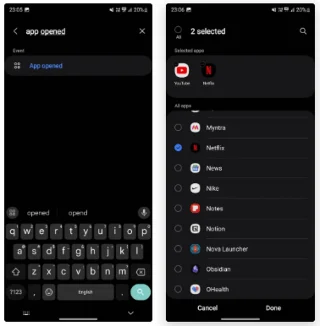
We'll use Routines to create a routine that automatically rotates the screen orientation for specific apps on your Galaxy phone. Go to Settings on your phone and select Modes and Routines . Then, go to the Routines tab and tap the + button at the top. Now, tap Add what will trigger this routine under If .
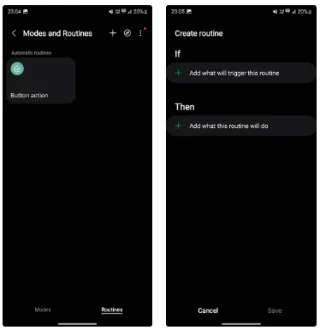
On the next screen, tap on the search bar, search for App opened and tap on it. Then, select all the apps that you want to automatically rotate your phone screen for and tap Done to add the action to the routine.
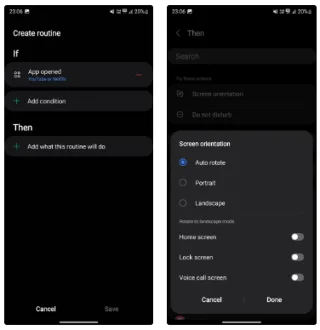
Now, tap Add what this routine will do under Then . Search for Screen orientation in the search bar, tap on it, and select the Auto rotate option on the overlay screen. Tap Done to add the action to the routine.
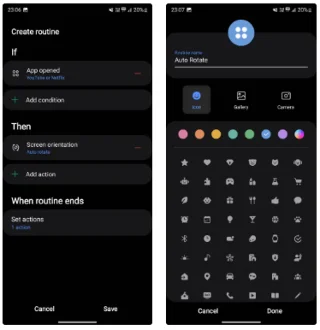
Tap Save at the bottom. Finally, give your routine a descriptive name and tap Done to save. You can also change the icon and icon color to personalize your routine.
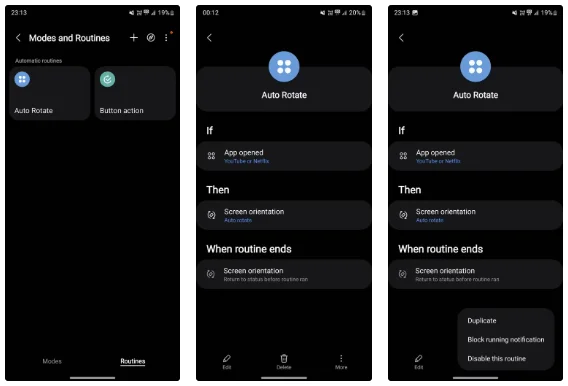
The next time you open an app that you added to your routine, it will automatically switch orientation and rotate your screen to landscape mode. You will see a notification in your notification panel letting you know that the routine has run.
At any point, if you want to stop this routine, go to the Routines tab and tap on the routine to open its settings. Tap the More icon in the bottom right corner and select Disable this routine .
Auto-rotate screen in apps on other Android phones
Unlike Samsung's One UI, other Android skins don't have Modes and Routines. So if you're using a non-Samsung phone, like a Pixel or OnePlus, you'll have to use a third-party automation app to create automations that automatically rotate the screen in specific apps. Many people like MacroDroid because it's largely free and fairly easy to use.
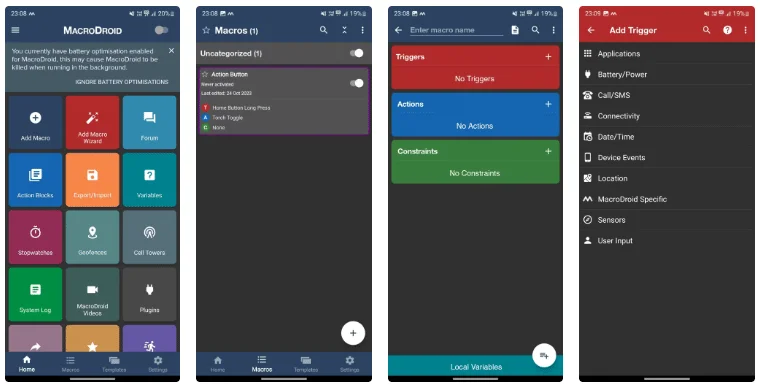
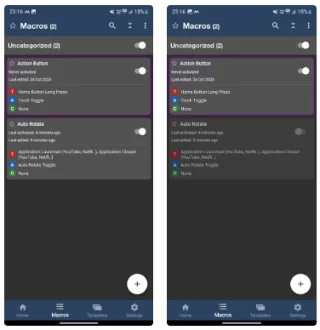
Open MacroDroid and grant the app all the necessary permissions when you see the on-screen prompt. Next, go to the Macros tab and tap the + button in the bottom right corner to create a new macro. Then, tap the + button on the Triggers tab and select Applications .
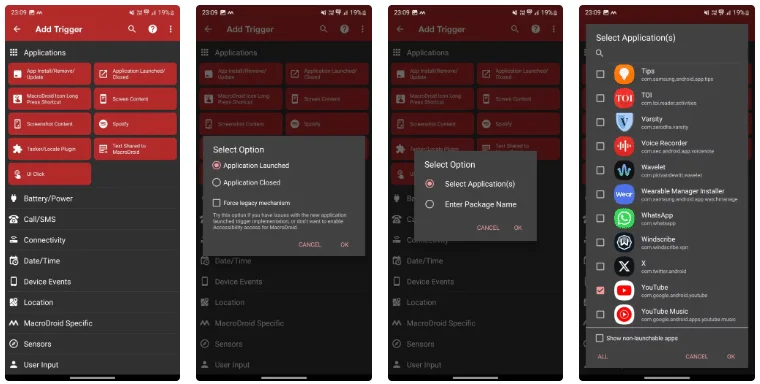
Now, tap on the Application Launched/Closed action, select the Application Launched option and tap OK . When prompted, select Select Application(s) , tap OK and select all the apps for which you want the phone screen to rotate automatically. Finally, tap OK .
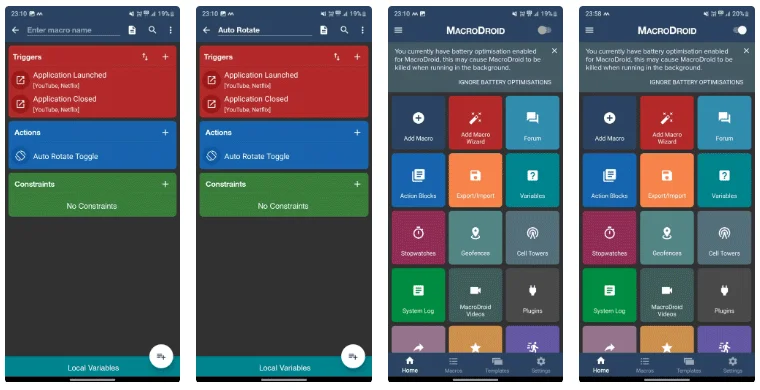
Again, create a new trigger like you did above, but this time, select Application Closed and select the same apps. Now, tap the + button on the Actions tab . Then, select Device Settings > Auto Rotate On/Off , tap Auto Rotate Toggle from the pop-up window, and tap OK to add it to the macro.
Tap the text at the top that says Enter macro name , give your macro a suitable name, and tap the floating + button in the bottom right corner to save it. Finally, go back to the Home tab and turn on the toggle in the top right corner to enable MacroDroid.
Once everything is done, MacroDroid will automatically redirect your screen whenever you open the apps specified in your macro. It will let you know when the macro is running in your notification panel. The macro will still run even if you close the MacroDroid app from the Recents menu.
If you want to pause the macro, simply disable it by going to the Macros tab in MacroDroid and disabling the macro you created.
Knowing how to auto-rotate your phone screen can come in handy when you want to lock an app in a specific orientation to prevent unwanted rotation. So, depending on the Android phone you have, you can use one of these methods to auto-rotate specific apps when launched. Some apps you can create an auto-rotate action for include YouTube and Netflix.
Learn how to update Google Chrome browser on Windows, Mac, and Android in minutes to enjoy better security, speed, and new features. Follow these clear steps.
Learn how to download old media from WhatsApp and recover photos or videos from past chats. Follow these clear steps to save files that no longer appear in your gallery.
Facebook Messenger Isn T Working on your device? Use these exact troubleshooting steps to restore chats, calls, and notifications fast on Android, iOS, or desktop.
How to See Deleted WhatsApp Messages using your phone's built-in tools. Follow these exact steps to recover messages that contacts have deleted from chats.
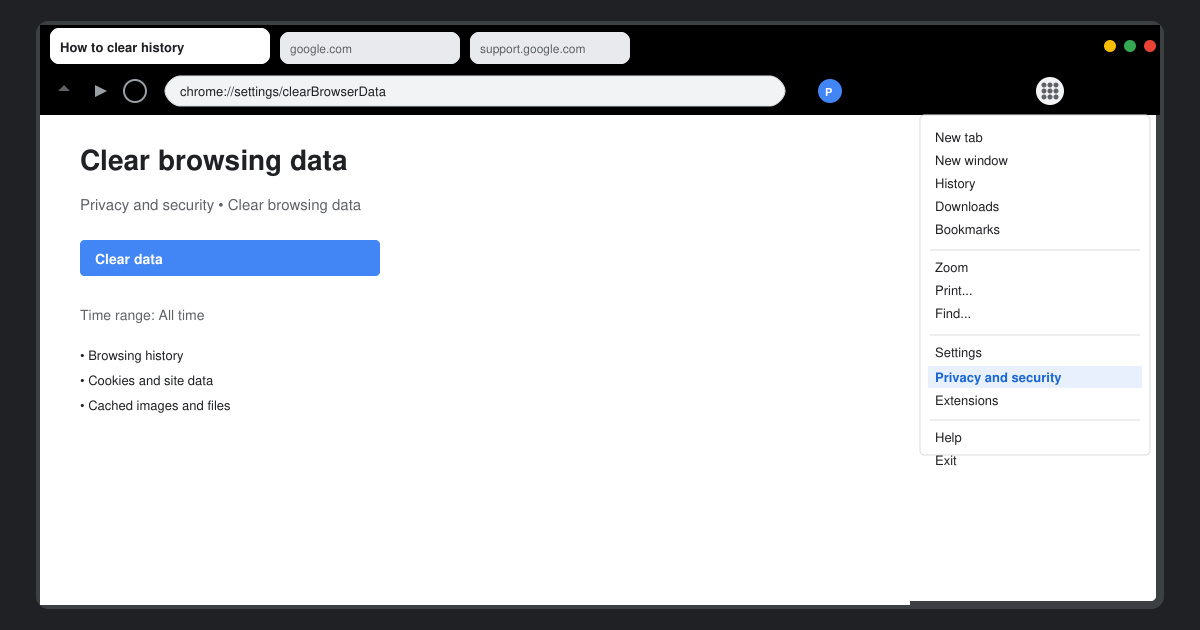
Learn how to clear browser history in Chrome on desktop and Android with this exact step-by-step process. Keep your browsing private and free up storage space quickly.
Master how to use CapCut with this practical walkthrough covering project setup, editing tools, effects, and export options for high-quality video results.
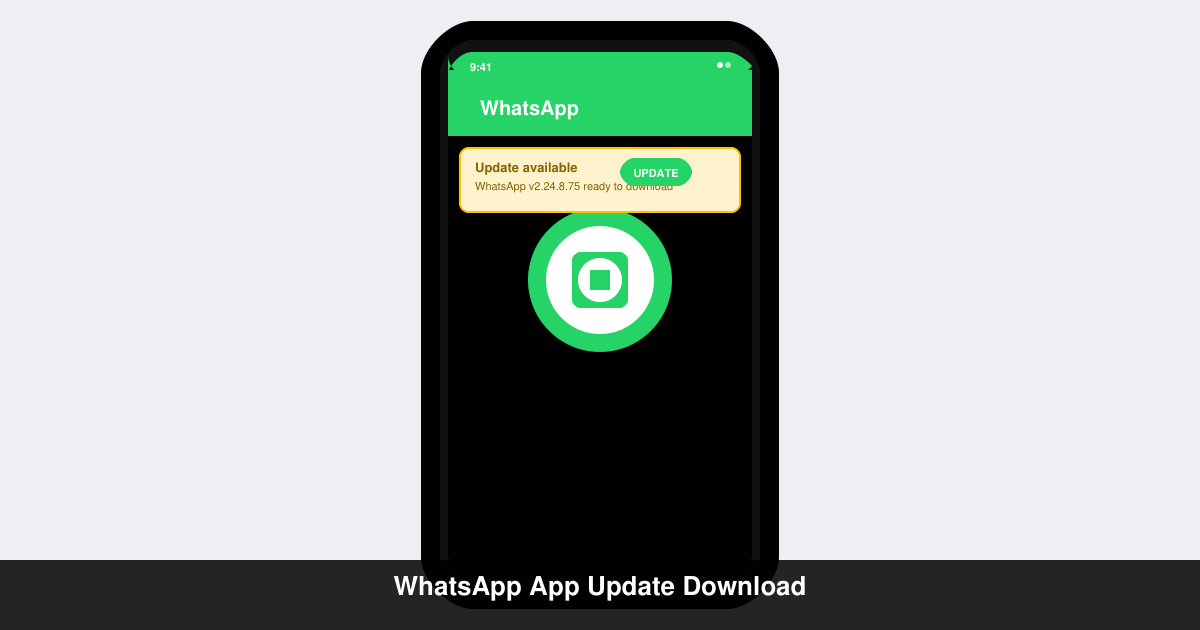
Get the latest WhatsApp App Update Download from official sources to access new features and security improvements. Follow these clear steps for Android and iOS devices.
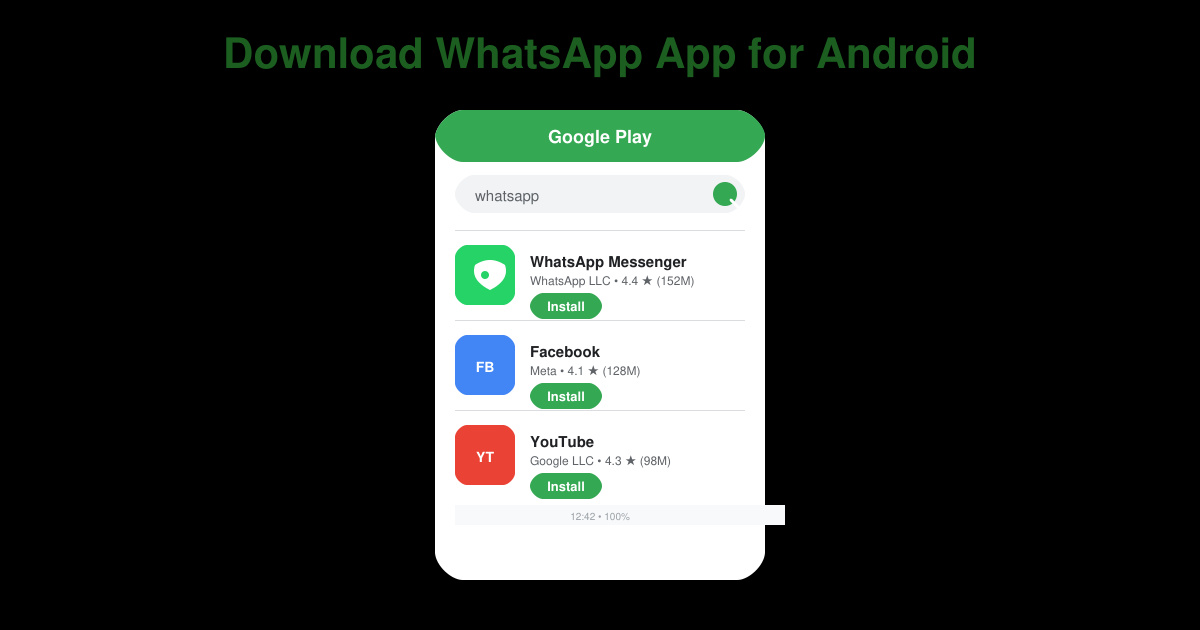
Learn how to safely Download WhatsApp App for Android from the official Google Play Store. Follow our clear step-by-step instructions to install the latest version quickly and securely.
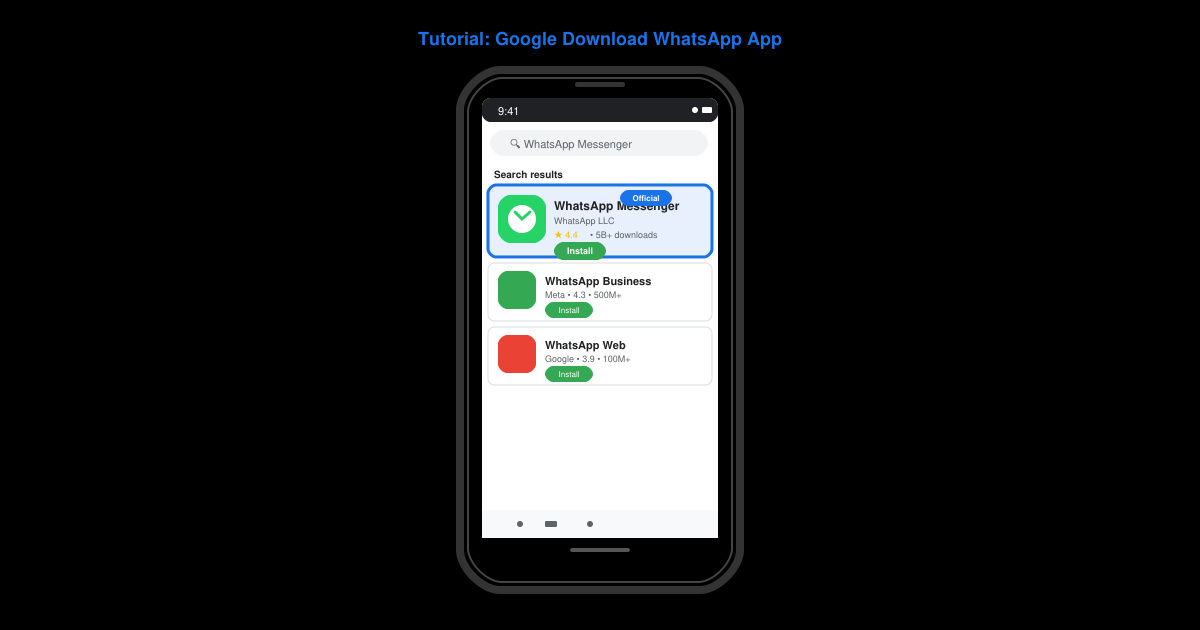
Google Download WhatsApp App safely through the Google Play Store with this clear guide. Get the official version on your Android device quickly and avoid fake downloads.
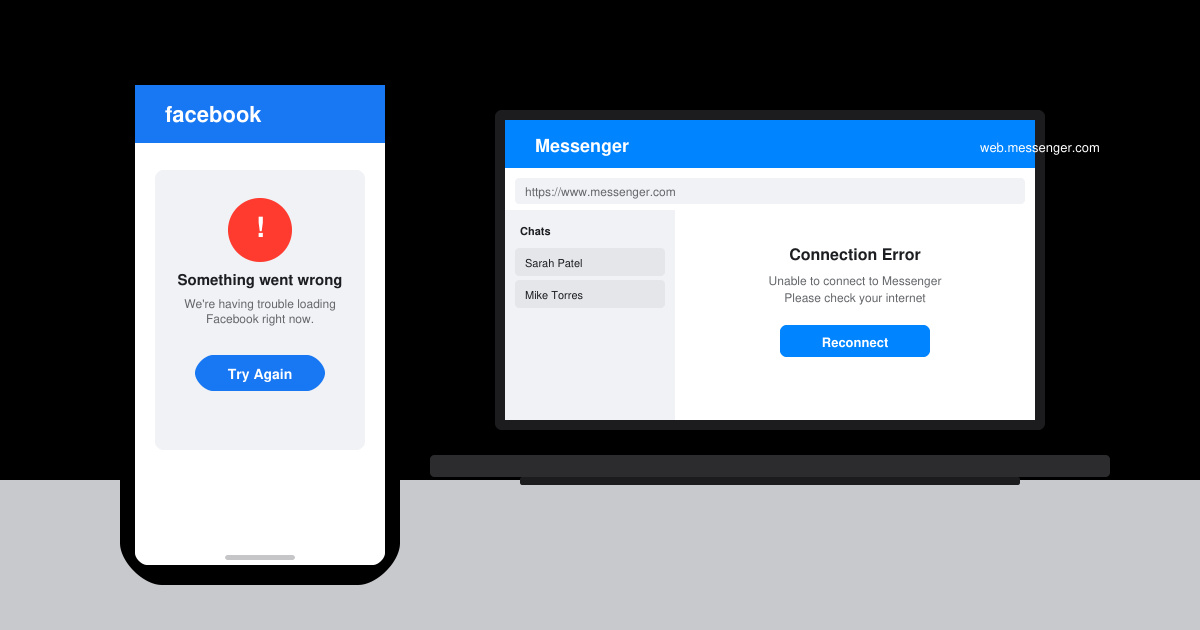
Facebook and Messenger not working can disrupt your day. Follow these targeted fixes to restore access quickly on mobile and desktop.