Coffee Culture: How to Brew the Perfect Cup at Home

Fix bitter, sour, or weak coffee at home with a practical guide to beans, grind size, water, ratio, temperature, pour-over technique, and tasting.
How to calculate Wonder Week for children not all parents know? Will you calculate by the date your baby is born? Or is the day the doctor expected to give birth? The standard will help mom prepare better for your child's crises.
In recent years, the term Wonder Week (s) has become quite familiar and known and used by many Vietnamese parents.
A bit of the biography of this term is as follows:
In 1992, Dutch educational psychology and behavioral biology researcher Dr. Frans X. Plooij and his wife, Dr. Hetty van de Rijt, published a book titled Wonder Weeks. This is a book that gathers information on how babies develop and guides parents to help their children through each stage.
Warmly received, gradually the title of the book was used by many people with the intention of acting differently from time to time.
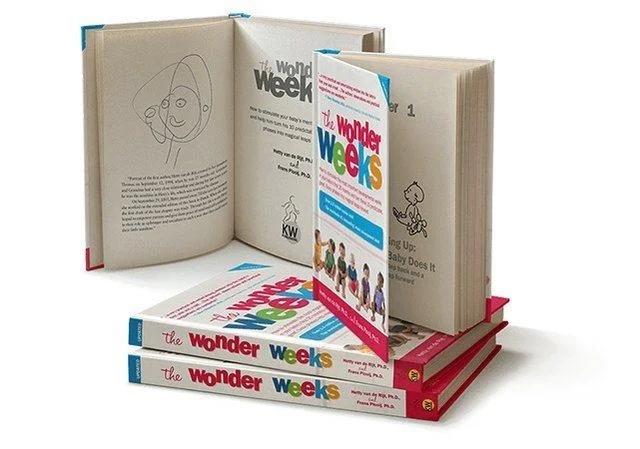
Exactly, Wonder Week is the term used to refer to the moment when a baby develops strongly mentally and physically. During these times, your child will learn new skills and discover more about himself and the world around him. But because he is clumsy, unable to do it, and doesn't know how to handle it and express his feelings, he will often have different moods.
To be able to use this list of infant crisis weeks below, parents need to know how old their baby is by week. The start of the wonder week calculation for your baby is the due date , not the date of birth.
Example of how a baby wonder week is calculated:
If your baby is expected to be born on December 16th, but born on December 20th. Parents will count their baby's wonder week from December 16th.
5 weeks
This time, the baby will sleep a little less, become more alert and pay attention to the world around.
8-9 weeks
Babies begin to recognize and create simple gestures in their world such as hand movements or making sounds like muttering.

12 weeks
The baby's movements become smoother and more coordinated. She also begins to realize the changes in her world like when mom leaves the room, turns off the lights, ...
15-19 weeks
Learn to recognize causes and effects, and predict outcomes. For example, she knows if something drops something, it will fall to the ground, and dad will come and pick it up.
23-26 weeks
The child starts rolling / crawling at this point.
33-37 weeks
Your baby will make great strides in mobility, learn how to crawl well, stand up and be able to walk.
42-46 weeks
Get started with simple tasks, like getting dressed, or helping your mom make lunch.
52-55 weeks
Toddlers rely on an understanding of sequences and begin to know that there is more than one way to complete a similar task. This is also when most toddlers begin to show strong interests.
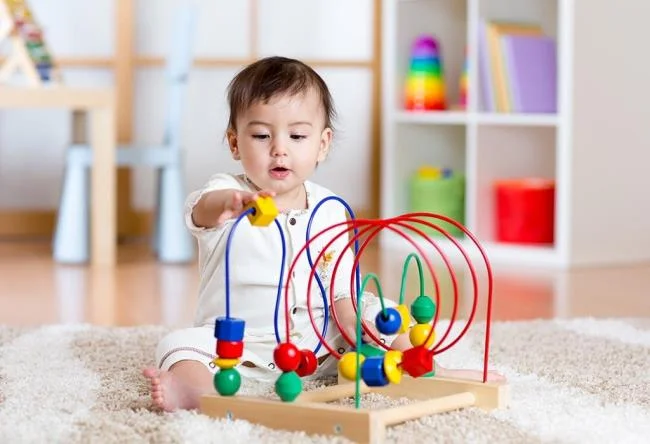
61-64 weeks
Quite like the period of 15-19 weeks, children know the results / consequences of their actions or actions. But children will be more clever when they know how to use this to achieve their goals.
72-76 weeks
The baby is now capable of understanding the surrounding movements to a greater degree. For example, if you go to kindergarten , your child knows that the rules and procedures at school will be different than at home. Children can also change their behavior and actions to suit different situations, which may explain why they are very good at school, but grumpy and whine at their parents when they go home ( depending on the child).
Take care of yourself as best you can. Since Wonder Weekks can be very tiring and it's important not to neglect yourself
Understand that fussy baby is only temporary, is a sign that your baby can show parents that they are feeling unsafe. Cuddling and reassuring your baby will help them feel better
Try not to worry about your baby's changing nursing habits, within the safe range
Cuddle, talk to your baby, and reassure him more. Show your baby the love and concern of their parents

During the child's miraculous development, not only children but also parents often experience weeks of confusion and fatigue like their children. Be a companion and a fulcrum for each other to have more happy memories together.
See more:
Wonder Weeks in Children - Presentations and times of crisis
Anorexic sleep and crying - Is your baby in a wonder week?
Fix bitter, sour, or weak coffee at home with a practical guide to beans, grind size, water, ratio, temperature, pour-over technique, and tasting.
Learn beginner-friendly winter houseplant care for light, watering, humidity, temperature, fertilizer, pests, and the mistakes that commonly damage plants.
Declutter your home without chasing perfection. Learn which spaces to tackle first, how clutter may affect stress and attention, and how to keep results manageable.
Discover which smart kitchen gadgets are genuinely useful, what to check before buying, how to set them up, and common beginner mistakes to avoid.
Functional beverages promise energy, hydration, gut support, protein, and more. Learn which benefits have evidence, what labels can hide, and how to choose wisely.
Learn practical zero-waste cooking habits that reduce food waste, stretch groceries, use leftovers safely, and turn edible scraps into useful meals.
Plan a cozy dinner party with the right guest count, make-ahead menu, warm atmosphere, food-safety basics, and a realistic hosting timeline.
Refresh your home for fall 2026 with budget-friendly decor trends, practical tradeoffs, and smart ways to add warmth, texture, and personality.
Compare practical meal-prep methods by time, flexibility, texture, cost, and food safety so you can build a weekday system that actually fits your life.
Make five reliable fall comfort-food recipes with clear doneness cues, troubleshooting tips, storage guidance, and realistic ways to adjust texture and flavor.