Create Fillable PDFs from Forms in LibreOffice Writer
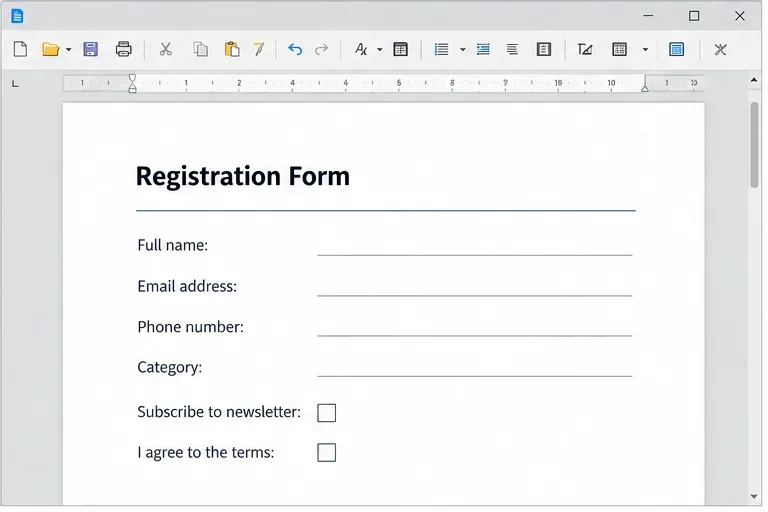
Add usable text fields, check boxes, and drop-downs in Writer, then export a PDF recipients can complete and save.
Imagine your Windows 11 PC grinding to a halt during updates, throwing endless error codes, or just feeling sluggish overall. Frustrating, right? 😩 The culprit? A cluttered Windows Update cache. Over time, this cache stores temporary files from failed or partial downloads, bloating your system and causing headaches. But don't worry—clearing it is a simple fix that can breathe new life into your device. In this guide, we'll walk you through exactly how to clear Windows Update cache in Windows 11, using safe, official methods. You'll be back to seamless updates in no time, feeling that satisfying speed boost. Let's dive in!
The Windows Update cache acts like a temporary storage bin for update files. It's designed to speed things up by reusing downloaded bits, but when it gets corrupted or overflows, problems arise:
By clearing it, you're essentially hitting a reset button. Microsoft recommends this as a first-line troubleshooting step for Windows 11 update issues. Plus, it's quick—most methods take under 10 minutes. Ready to reclaim your PC's potential? Let's get started with the easiest approaches.
No command lines here—this is point-and-click simplicity. Windows 11's troubleshooter automatically detects and clears the Windows Update cache while fixing common glitches. Perfect if you're not tech-savvy.
Voila! Your Windows Update cache is fresh. Test by checking for updates in Settings > Windows Update. If issues persist, move to the next method for a deeper clean.
For a hands-on approach, use the Disk Cleanup tool to target update files directly. This method is great for freeing up gigabytes of space alongside cache clearing.
Pro tip: Run this monthly to keep things tidy. You'll notice faster boot times and smoother updates. Feeling empowered yet? Keep reading for the command-line power move.
If the above didn't fully resolve your Windows 11 update cache woes, dive into Command Prompt. This stops update services, deletes cache folders, and restarts everything—Microsoft's go-to for stubborn issues.
Warning: Run as administrator to avoid permission errors. Here's the step-by-step:
net stop wuauserv
net stop cryptSvc
net stop bits
net stop msiserver
C:\Windows\SoftwareDistribution and C:\Windows\System32\catroot2 using:
ren C:\Windows\SoftwareDistribution SoftwareDistribution.old(If "ren" fails, use "rd /s /q" to remove them entirely, then recreate with "md".)
ren C:\Windows\System32\catroot2 Catroot2.old
net start wuauserv
net start cryptSvc
net start bits
net start msiserver
This wipes the Windows Update cache completely, resolving even deep-seated errors. Users report up to 5GB of space freed—impressive, huh? If you're on the latest Windows 11 build (as of 2026), this method aligns perfectly with Microsoft's updates.
Not sure where to start? Here's a handy table to compare:
| Method | Difficulty | Time | Best For |
|---|---|---|---|
| Troubleshooter | Easy | 2-5 mins | Beginners, quick fixes |
| Disk Cleanup | Medium | 5-10 mins | Space-saving, general maintenance |
| Command Prompt | Advanced | 10-15 mins | Persistent errors, full reset |
Pick based on your comfort level. All are free and built into Windows 11—no downloads needed.
Clearing the Windows Update cache is straightforward, but watch out for these:
Pro Tip: After clearing, run sfc /scannow in Command Prompt to scan for system file issues. For more depth, check Microsoft's official guide on Windows Update troubleshooting. It's a goldmine!
Congratulations—you're now equipped to tackle how to clear Windows Update cache in Windows 11 like a pro! Whether it's a quick troubleshooter run or a full command-line purge, these steps will eliminate errors, free space, and keep your system humming. Your PC deserves this TLC, and you'll love the smoother, faster experience. If updates still act up, consider checking for driver conflicts next. Got questions? Drop a comment below—we're here to help. Here's to error-free computing! 👏
Add usable text fields, check boxes, and drop-downs in Writer, then export a PDF recipients can complete and save.
Fix missing or substituted fonts in LibreOffice Writer PDFs, choose the right export profile, and verify which fonts are embedded before sharing.
Convert a folder of Word documents to PDF with LibreOffice commands, handle nested folders safely, and verify the output before sharing.
Set a custom LibreOffice Writer template as the default so new documents open with your preferred styles and page layout.
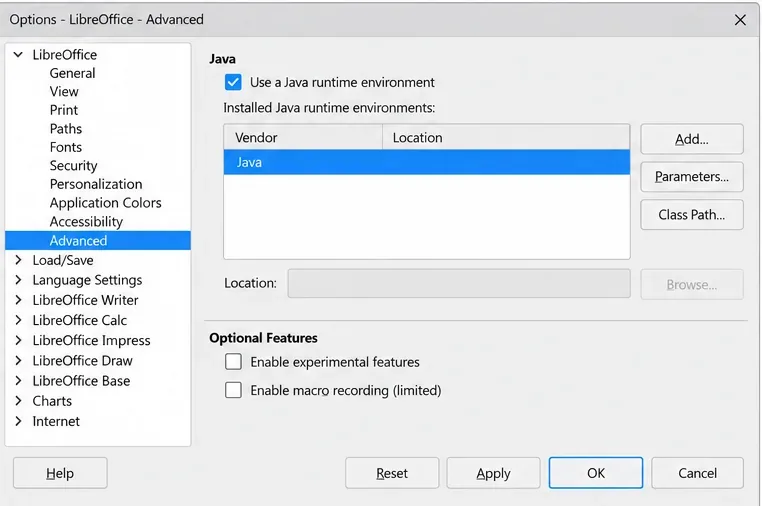
Install a compatible Java runtime, enable it in LibreOffice, and troubleshoot an empty JRE list without changing unrelated settings.
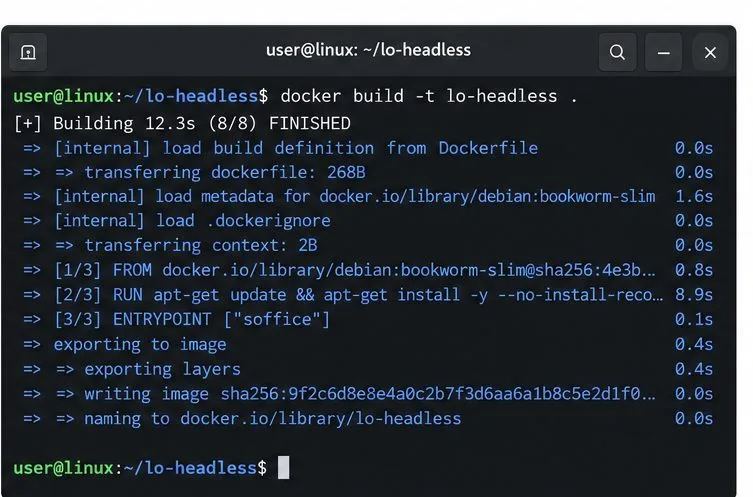
Build a small LibreOffice container, convert office documents without a GUI, and verify PDF output while limiting host-file access.
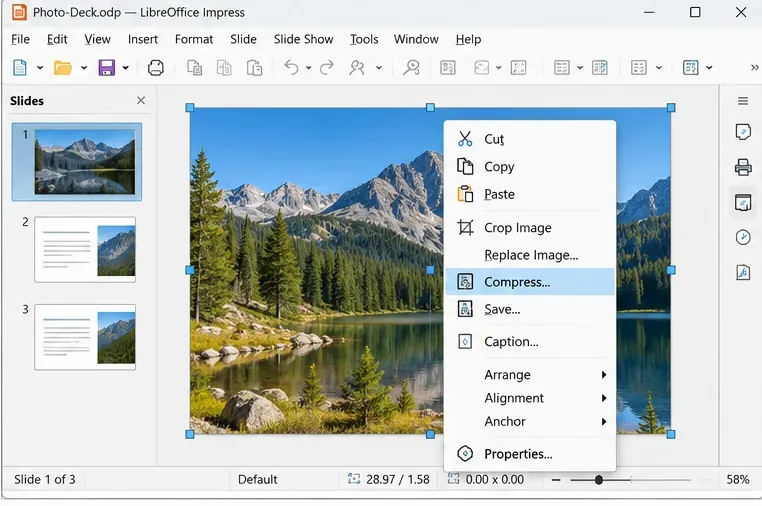
Reduce oversized LibreOffice presentation files by compressing embedded photos, choosing sensible image settings, and checking slide quality before sharing.
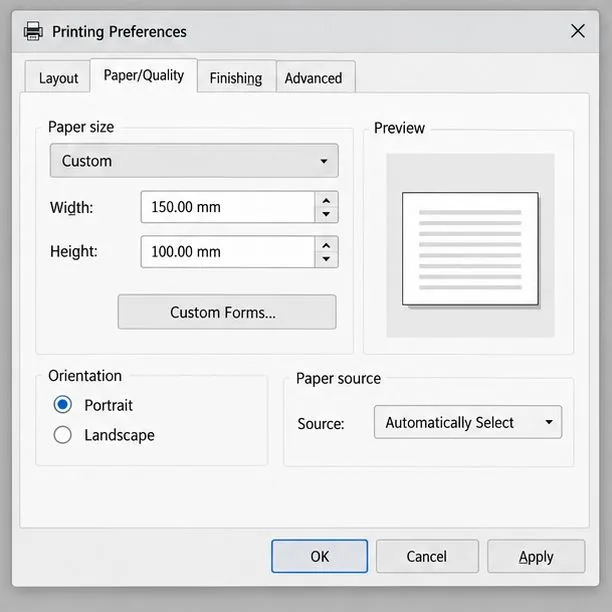
Match LibreOffice’s page dimensions to your printer, check printable margins, and correct scaling before printing a custom-size document.
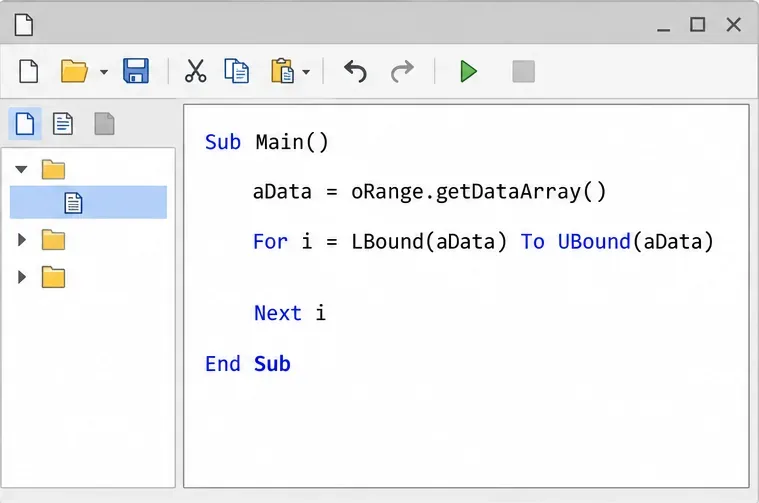
Replace repeated cell access with bulk range reads and writes, then benchmark the result and protect formulas in large Calc workbooks.
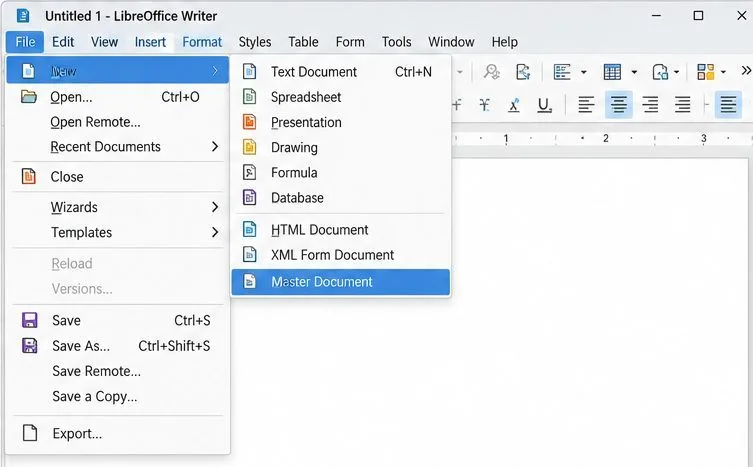
Split a long manuscript into chapters, assemble them in Writer, and keep styles, contents, and export checks consistent.