Back Up and Restore HamoniKR Settings Without Missing Hidden Files
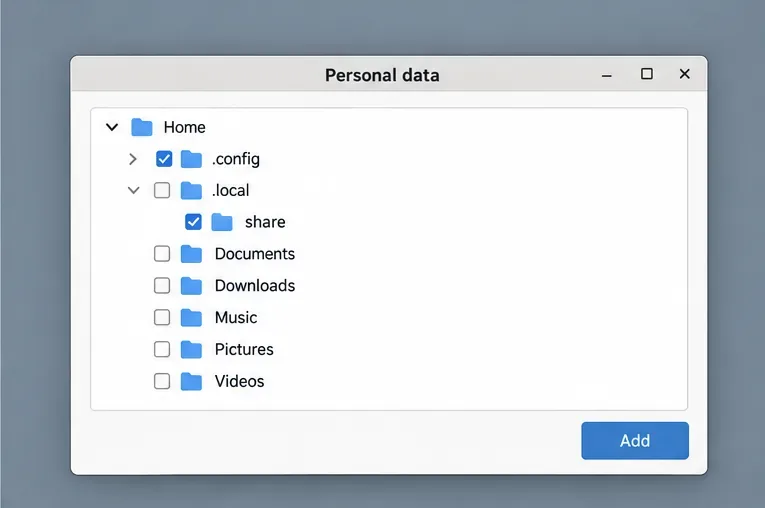
Save HamoniKR preferences to external storage, include hidden home folders, and choose a safe restore mode when moving to a fresh installation.
Are you tired of frustrating frame drops during intense gaming sessions? If you're on Windows 11, the built-in Game Bar might be the hidden culprit sapping your FPS. This handy overlay tool, powered by Xbox, records clips and tracks performance—but it can hog resources, leading to stuttering and lower frame rates. The good news? Disabling it is quick and effective, potentially giving your games the boost they need to run buttery smooth. In this guide, we'll walk you through exactly how to disable Game Bar in Windows 11 to boost FPS, with simple steps that even beginners can follow. Let's dive in and reclaim your gaming edge! 🚀
The Game Bar in Windows 11 is a nifty feature that lets you capture screenshots, record gameplay, and monitor stats like CPU and GPU usage without leaving your game. Activated by pressing Win + G, it's great for streamers but not so much for pure performance seekers.
Here's why it impacts FPS:
Disabling it frees up those resources, leading to noticeable FPS boosts—often 10-20% in demanding games like Cyberpunk 2077 or Valorant. Imagine hitting those headshots without lag! If you're serious about gaming, this tweak is a must.
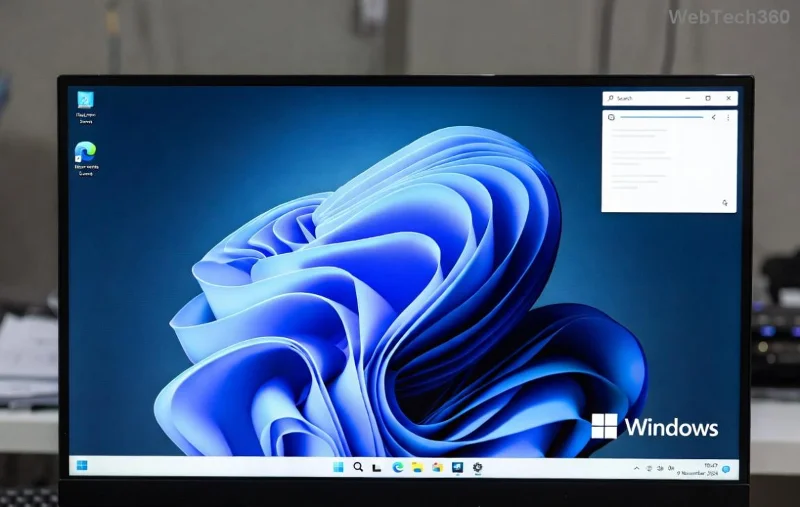
Ready to optimize? We'll cover multiple methods, from simple settings tweaks to deeper registry edits for advanced users. Start with the easiest and test your FPS afterward using tools like MSI Afterburner. No restarts needed for most steps—immediate results!
This is the go-to for most gamers. It turns off the Game Bar without affecting other features.
That's it! Test in-game—your FPS should climb right away. If you ever need it back, just re-enable.
For more permanent control, especially in business setups, Group Policy locks it down system-wide.
gpedit.msc, and hit Enter.This method ensures the Game Bar stays off, even after updates. Pro tip: Combine with disabling notifications for a cleaner experience.
Warning: Back up your registry first! This tweak disables it at the core level.
regedit, and press Enter.HKEY_CURRENT_USER\Software\Microsoft\Windows\CurrentVersion\GameDVR.0.HKEY_CURRENT_USER\System\GameConfigStore and set GameDVR_Enabled to 0.Users report up to 25% FPS boosts in CPU-bound scenarios. Always verify changes with a tool like HWMonitor.
After disabling Game Bar, how do you measure success? Don't guess—use these free tools:
| Tool | Purpose | Why It's Great for FPS Testing |
|---|---|---|
| MSI Afterburner | Overlays FPS, temps, and usage | Real-time monitoring without extra load |
| FRAPS | Simple FPS counter | Lightweight and accurate for benchmarks |
| CapFrameX | Advanced frame-time analysis | Spots stutters post-tweak |
Run a before-and-after test in your favorite game. For example, in Fortnite, expect smoother 144Hz gameplay. If FPS doesn't improve, check other culprits like outdated drivers—update via GeForce Experience or AMD Software.
Disabling Game Bar is a solid start, but pair it with these for even bigger gains. Keep reading to supercharge your setup!
One gamer shared on Reddit: "Disabling Game Bar alone bumped my Apex Legends from 90 to 120 FPS—game-changer!" These steps build on each other, so experiment and track results.
Not seeing the FPS boost? Here's how to fix it:
sfc /scannow in Command Prompt for repairs.For official guidance, check Microsoft's support page on Game Bar settings.
Disabling Game Bar in Windows 11 to boost FPS is a simple yet powerful tweak that can transform your gaming experience. With fewer resources wasted, you'll enjoy higher frames, less lag, and more victories. We've covered the essentials—from quick settings changes to pro tips—so you can implement this right now. What's your go-to game? Try it out and feel the difference. If you have questions, drop a comment below—we're here to help you game better! 🎮
Stay tuned for more Windows 11 optimization guides to keep your rig running at peak performance.
Save HamoniKR preferences to external storage, include hidden home folders, and choose a safe restore mode when moving to a fresh installation.
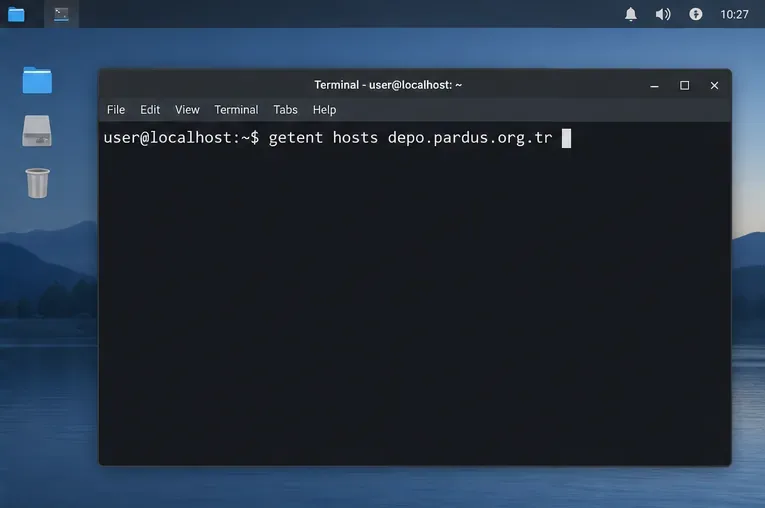
Install and configure xrdp on Pardus, choose the right Xfce session, restrict network access, and verify that remote login works.
Diagnose Pardus 23 APT connection failures, confirm the official yirmiuc sources, and restore apt update without bypassing package signature checks.
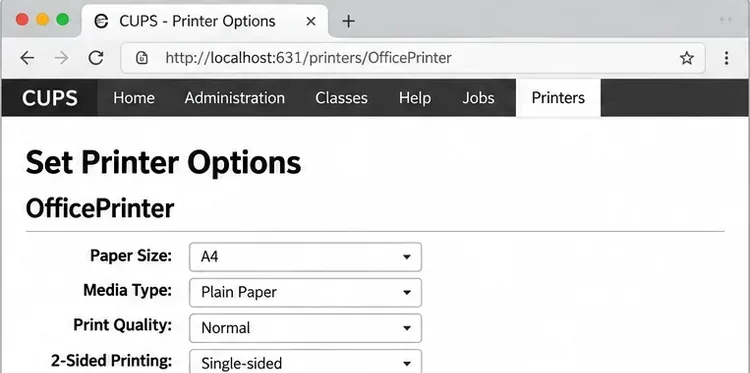
Configure printers on Harmonica OS using CUPS, compare driverless IPP with legacy drivers, and verify USB or network printing with a test page.
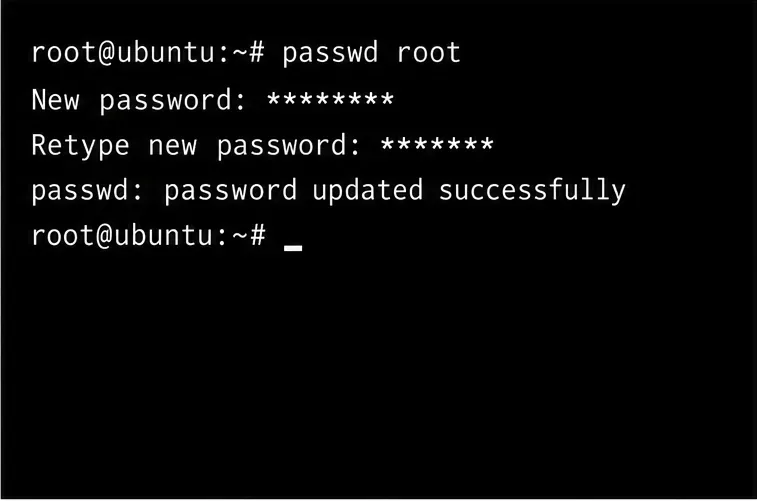
Use a recovery shell to set a new Harmonica OS root password, with checks for encrypted disks, read-only filesystems, and accounts that use sudo.
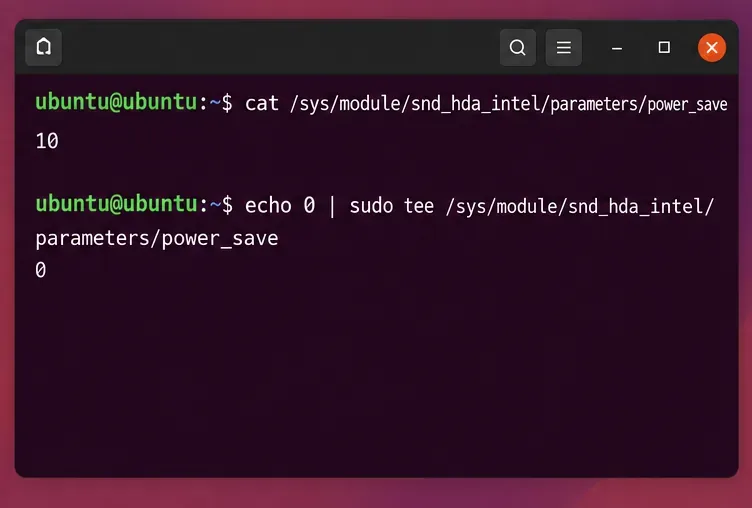
Trace whether clipping, ALSA format conversion, or HDA power saving is causing Ubuntu 24.04 audio distortion, then apply the matching reversible fix.
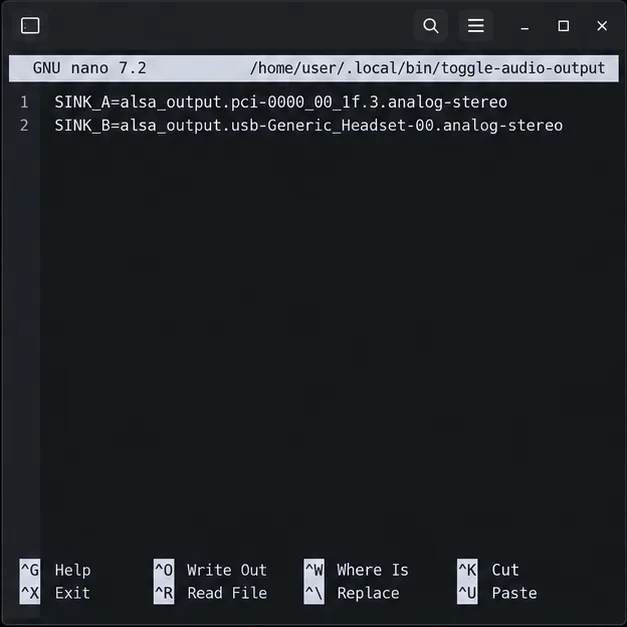
Switch Debian audio between named PipeWire outputs with a pactl script that updates the default sink and reroutes streams already playing.
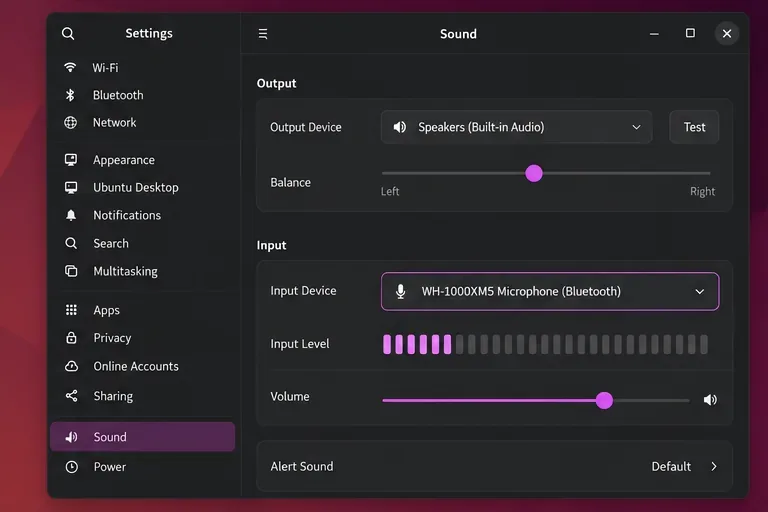
Get your Bluetooth headset mic working by selecting the right input, using a hands-free audio profile, and checking Ubuntu’s PipeWire route.
Learn why Flatpak apps may ignore Ubuntu 24.04 GTK themes and follow safe steps to check theme extensions, refresh Flatpak apps, and diagnose portal issues.
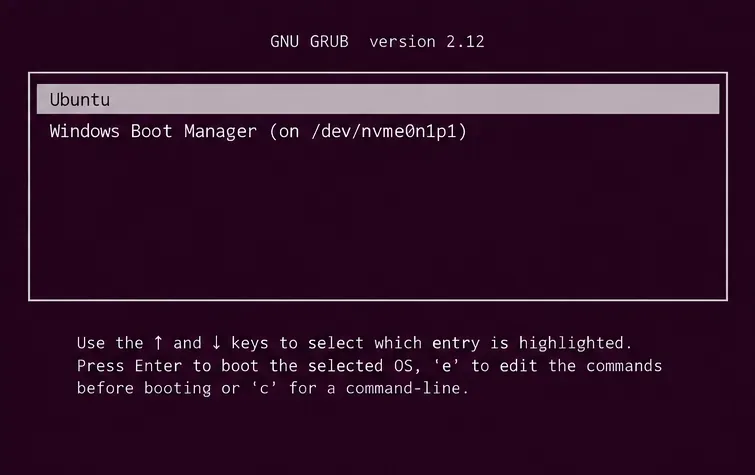
Install Ubuntu 24.04 alongside Windows 11 with BitLocker safely. Compare separate-drive and shared-drive paths, recovery keys, partitioning, and boot checks.