Speed Up LibreOffice Startup on Windows 11 and Linux
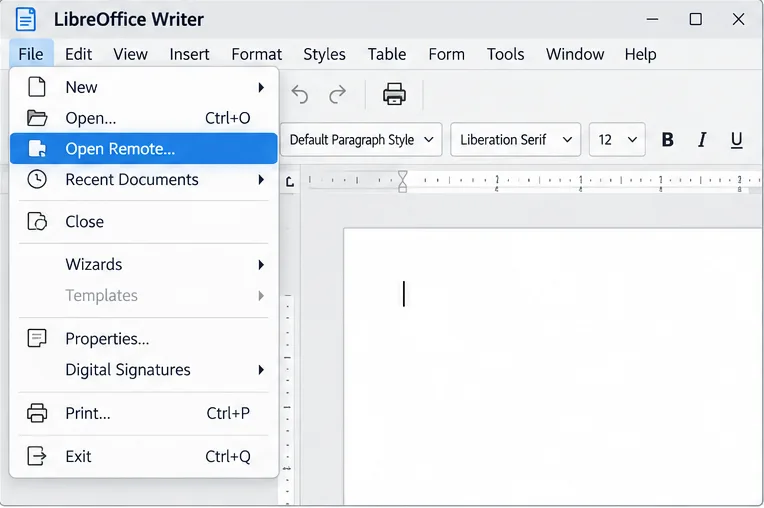
Find out whether a slow launch comes from extensions, profile settings, or the system, then test the safest fix without losing LibreOffice data.
Are you ready to upgrade to Windows 11 but hitting roadblocks with compatibility? One of the most common hurdles is ensuring your system meets the TPM 2.0 requirement. Don't worry—this guide will walk you through how to enable TPM 2.0 in BIOS with clear, actionable steps. By the end, you'll have your PC primed for a smooth Windows 11 installation, boosting both security and performance. Let's dive in and get you set up! 🚀
Trusted Platform Module (TPM) 2.0 is a hardware-based security feature that protects your data by encrypting sensitive information, like encryption keys and passwords. Microsoft mandates TPM 2.0 for Windows 11 to enhance overall system integrity, preventing unauthorized access and malware attacks.
Without it, you'll encounter errors during installation or upgrades. Enabling TPM 2.0 in BIOS isn't just a checkbox—it's a gateway to advanced features like BitLocker and Secure Boot. Plus, it's straightforward on most modern PCs from brands like Dell, HP, ASUS, and Lenovo. If your hardware supports it (check via Microsoft's PC Health Check tool), you're good to go!
👆 First things first—confirm your motherboard has TPM 2.0 support. Download the free PC Health Check app from Microsoft's official site. Run it to scan your system. If it flags TPM as missing, proceed to BIOS tweaks.
Pro tip: Update your BIOS firmware to the latest version from your manufacturer's website. This often unlocks TPM 2.0 automatically. For example, Intel systems might use PTT (Platform Trust Technology), while AMD relies on fTPM (firmware TPM). Either way, enabling it in BIOS activates the feature.
Accessing BIOS varies by manufacturer, but the process is similar. Follow these general steps, then check the specific instructions for your brand. Remember to back up important data before making changes—better safe than sorry! 😊

To make it even easier, here's a quick reference table for enabling TPM 2.0 in BIOS on major manufacturers. These are based on the latest firmware as of 2026.
| Brand | BIOS Key | TPM Setting Location | Additional Notes |
|---|---|---|---|
| Dell | F2 | Secure Boot > TPM Security | Enable "TPM 2.0 Security" under POST Behavior. |
| HP | F10 | Security > Device Security | Select "Next Generation" for TPM device. |
| ASUS | Delete | Advanced > PCH-FW Configuration | Enable PTT for Intel or fTPM for AMD. |
| Lenovo | F1 or F2 | Security > Security Chip | Set to "Enabled" and choose TPM 2.0 family. |
| MSI | Delete | Settings > Security > Trusted Computing | Enable "Security Device Support." |
Stuck on a different brand? Search your model + "enable TPM 2.0" on the manufacturer's support page. For in-depth help, visit Microsoft's TPM guide.
Encountering errors? Here's how to fix them without frustration:
⚠️ Warning: Incorrect BIOS changes can cause boot failures. If you're uncomfortable, seek help from a tech-savvy friend or professional.
Enabling TPM 2.0 in BIOS does more than unlock Windows 11. It fortifies your system against threats, speeds up encryption, and prepares you for future updates. Imagine seamless logins with Windows Hello and ironclad data protection—it's worth the few minutes of setup!
Ready to install Windows 11? Head to Settings > Update & Security > Windows Update for the upgrade path. Or download the ISO from Microsoft for a clean install.
Congratulations—you're now equipped to enable TPM 2.0 in BIOS and embrace Windows 11's modern features. This simple tweak opens doors to a safer, more efficient computing experience. If you run into snags, drop a comment below or consult official resources. Your secure setup awaits—let's make it happen! 👏
For the latest on Windows requirements, check Microsoft's Windows 11 specs page.
Find out whether a slow launch comes from extensions, profile settings, or the system, then test the safest fix without losing LibreOffice data.
Connect LibreOffice to Nextcloud over WebDAV, save the server copy with Ctrl+S, and understand how AutoRecovery differs from cloud syncing.
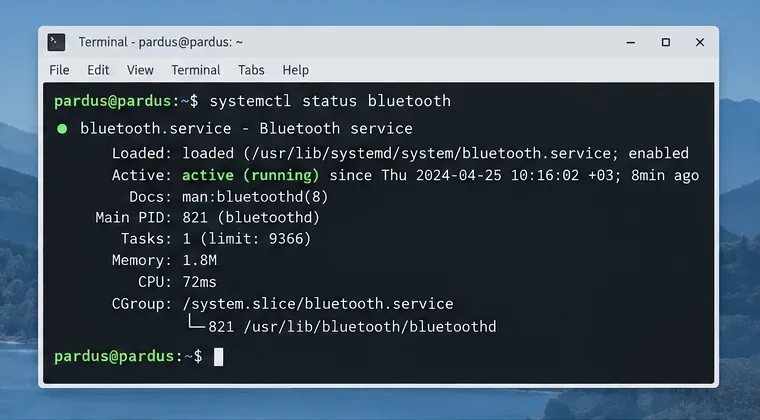
Find out whether Pardus 23 is blocking Bluetooth, missing BlueZ, or failing to detect adapter firmware, then confirm the controller works.
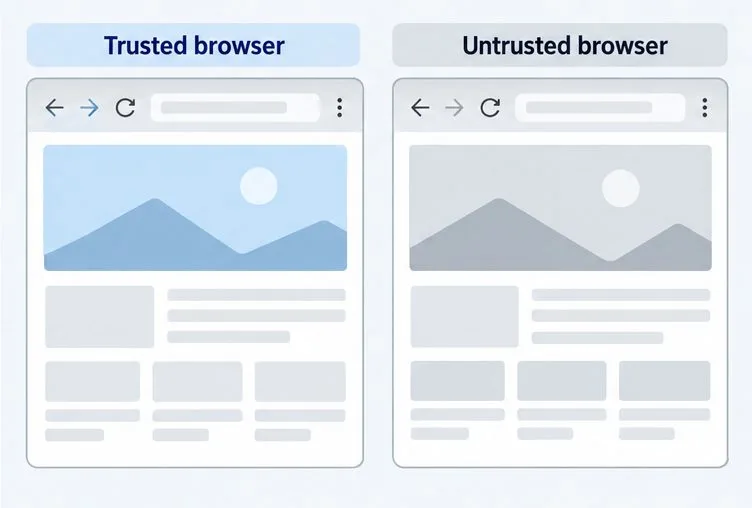
Learn how Gooroom separates trusted and untrusted browsing, what users can change, and how an administrator can safely update site policies.
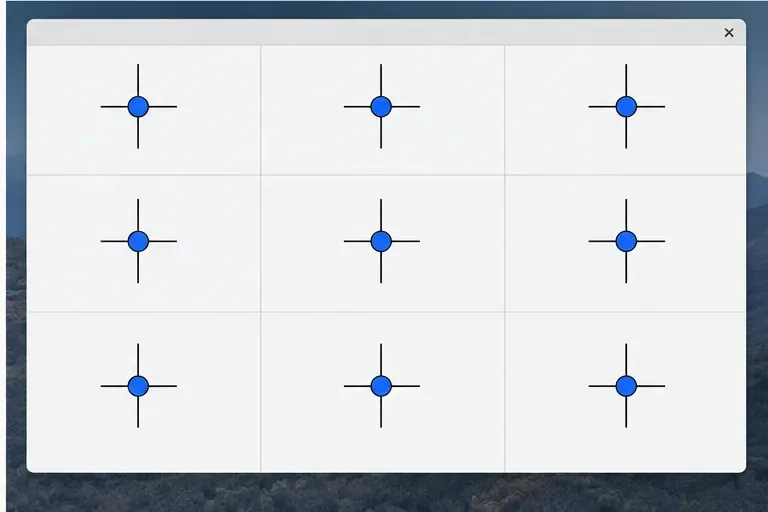
Diagnose rotated, offset, or inconsistent touch input on a Harmonica OS tablet and choose a Linux calibration method that fits its session and driver.
Switch Gooroom’s desktop session to English, verify the locale, and identify when untranslated Korean labels need an app update instead.
Arrange Pardus XFCE as a familiar bottom taskbar with an app menu, pinned launchers, open-window buttons, and a system tray.
Check your Gooroom release and administrator rules, then follow the official Debian-based setup path for Flatpak or Snap without bypassing system controls.
Learn what Pardus Image Writer can do, how to prepare installation USB safely, and which tools fit custom live images or repeatable fleet deployments.
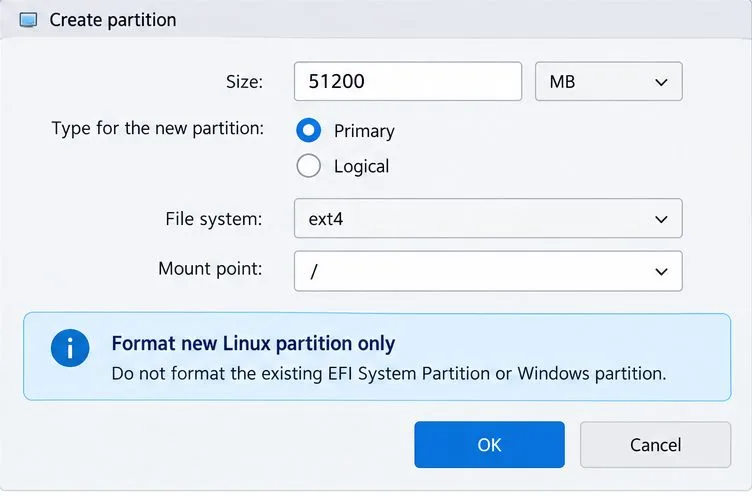
Install Pardus alongside Windows 11 by shrinking the Windows volume, using unallocated space, and preserving the existing EFI System Partition.