Make Every New Writer Document Use Your Template
Set a custom LibreOffice Writer template as the default so new documents open with your preferred styles and page layout.
Imagine having the best of both worlds: the familiarity of Windows 11 and the versatility of Linux right at your fingertips. That's the magic of the Windows Subsystem for Linux (WSL). Whether you're a developer debugging code, a data scientist crunching numbers, or just curious about Linux, enabling WSL opens up endless possibilities. This guide will walk you through every step to get WSL up and running on your Windows 11 machine, keeping things simple, efficient, and exciting. Let's dive in and supercharge your setup! 🚀
WSL, or Windows Subsystem for Linux, is a compatibility layer that lets you run a genuine Linux environment directly on Windows 11 without the hassle of dual-booting or virtual machines. Introduced by Microsoft, it has evolved into WSL 2, which uses a lightweight virtual machine for better performance, full system call compatibility, and seamless file access between Windows and Linux.
Why enable it? Picture this: ⭐ Run Linux command-line tools like grep, awk, or docker natively. ⭐ Develop cross-platform apps without switching OS. ⭐ Access Windows files from Linux bash effortlessly. It's a game-changer for productivity, especially in the latest Windows 11 updates that enhance integration. No more compromises—embrace the hybrid power and feel the thrill of a unified workflow!
Before we jump into the steps, ensure your setup meets these basics for smooth sailing:
winver in Run dialog).If your hardware checks out, you're golden. Enabling WSL is straightforward and reversible, so no worries if you want to experiment. Ready to enable Windows Subsystem for Linux? Let's go!
Microsoft has made enabling WSL incredibly user-friendly in the latest Windows 11 versions. We'll focus on the easiest methods: via the GUI and command line. Choose what suits you best—both lead to the same awesome result.
This graphical approach is perfect if you prefer clicking over typing. It's quick and visual, ensuring you don't miss a beat.
wsl --set-default-version 2. This ensures you get the superior WSL 2 experience.Voila! WSL is now enabled. But we're not done yet—next, install a Linux distribution.

If you're comfortable with commands, this is faster and scriptable. Open PowerShell or Command Prompt as Administrator.
dism.exe /online /enable-feature /featurename:Microsoft-Windows-Subsystem-Linux /all /norestart and press Enter. This activates WSL.dism.exe /online /enable-feature /featurename:VirtualMachinePlatform /all /norestart.wsl --set-default-version 2.Pro tip: These commands work flawlessly on the most recent Windows 11 builds, ensuring optimal performance. If you encounter errors like "WSL is not enabled," double-check virtualization in Task Manager (Ctrl + Shift + Esc > Performance > CPU).
With WSL enabled, it's time to pick your Linux flavor. Microsoft Store offers free, official distros like Ubuntu, Debian, or Kali—Ubuntu is the crowd favorite for its stability and community support.
uname -r to confirm WSL 2 kernel (it should show something like 5.x-microsoft-standard-WSL2).Now, you're in a full Linux bash! Update packages with sudo apt update && sudo apt upgrade for the latest features. Exciting, right? Your Windows 11 just got a Linux upgrade. 😊
To keep things running smoothly, here are some golden tips:
| Common Issue | Solution |
|---|---|
| WSL Not Starting | Run wsl --update in admin PowerShell to get the latest fixes. |
| Slow Performance | Ensure WSL 2 is default and allocate more RAM via .wslconfig file in your user directory (e.g., memory=4GB). |
| File Access Problems | Use /mnt/ for Windows drives in Linux; avoid editing Windows files from Linux to prevent permission glitches. |
| Error 0x80040326 | Enable Hyper-V in Windows Features or check BIOS for virtualization. |
For advanced tweaks, explore GUI tools like Windows Terminal for tabbed WSL sessions or integrate with VS Code via the Remote - WSL extension. It's all about making your setup feel intuitive and powerful.
Congrats—you've successfully enabled Windows Subsystem for Linux on Windows 11! This is just the beginning. Experiment with running GUI apps using wsl --install -d Ubuntu for desktop Linux, or dive into containerization with Docker Desktop's WSL 2 backend. The integration keeps getting better, so stay tuned for more ways to blend worlds.
Feel empowered? Share your WSL wins in the comments below—we'd love to hear how it's transforming your workflow. If you hit any snags, Microsoft's docs are a treasure trove: Official WSL Documentation. Happy coding! 👏
Set a custom LibreOffice Writer template as the default so new documents open with your preferred styles and page layout.
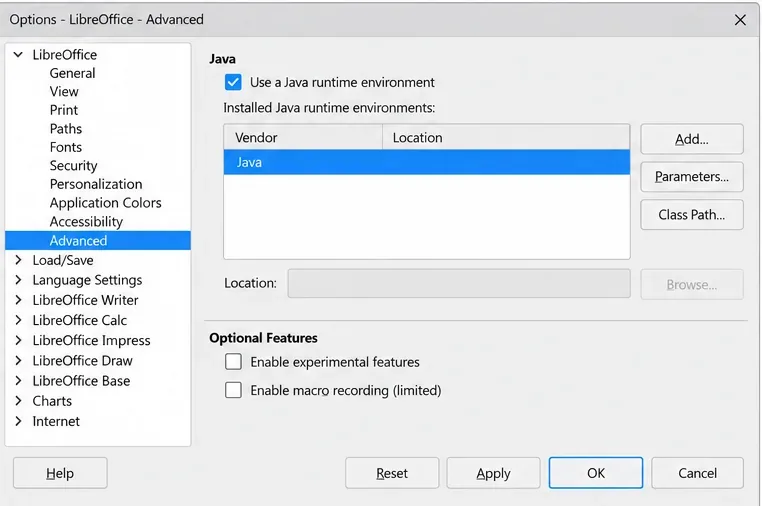
Install a compatible Java runtime, enable it in LibreOffice, and troubleshoot an empty JRE list without changing unrelated settings.
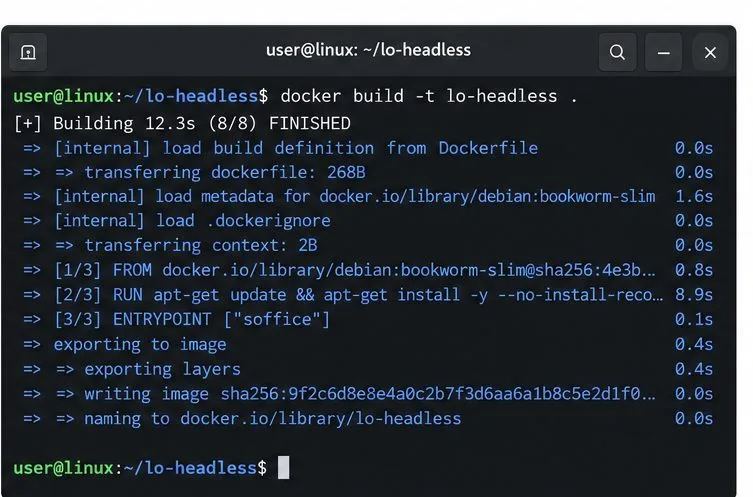
Build a small LibreOffice container, convert office documents without a GUI, and verify PDF output while limiting host-file access.
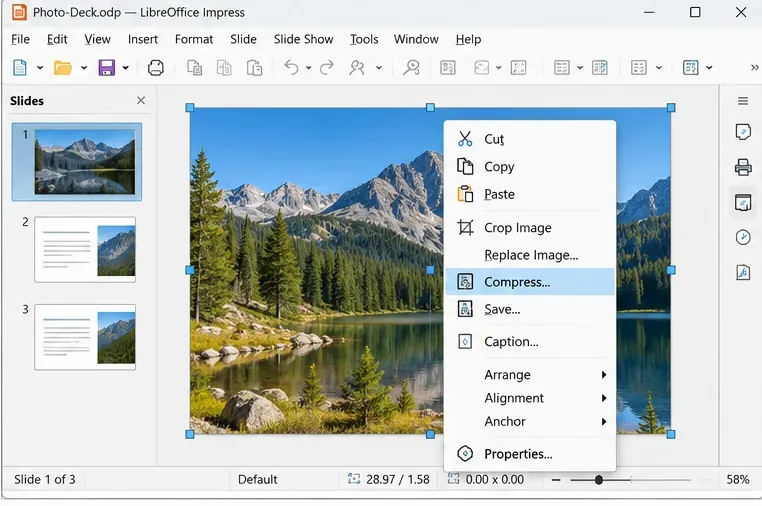
Reduce oversized LibreOffice presentation files by compressing embedded photos, choosing sensible image settings, and checking slide quality before sharing.
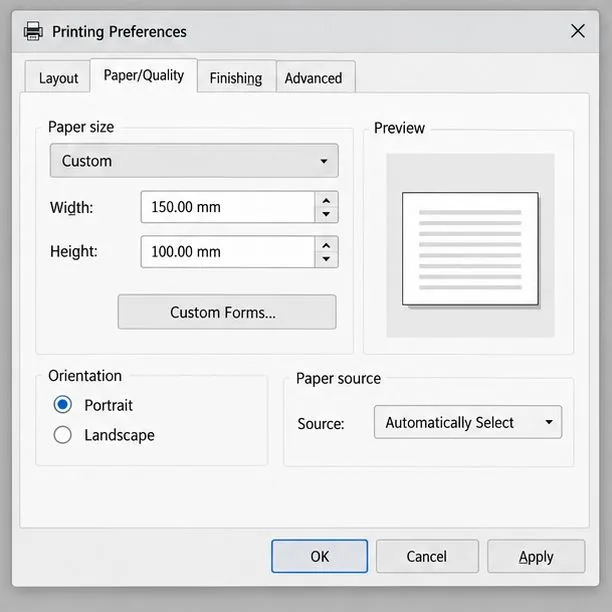
Match LibreOffice’s page dimensions to your printer, check printable margins, and correct scaling before printing a custom-size document.
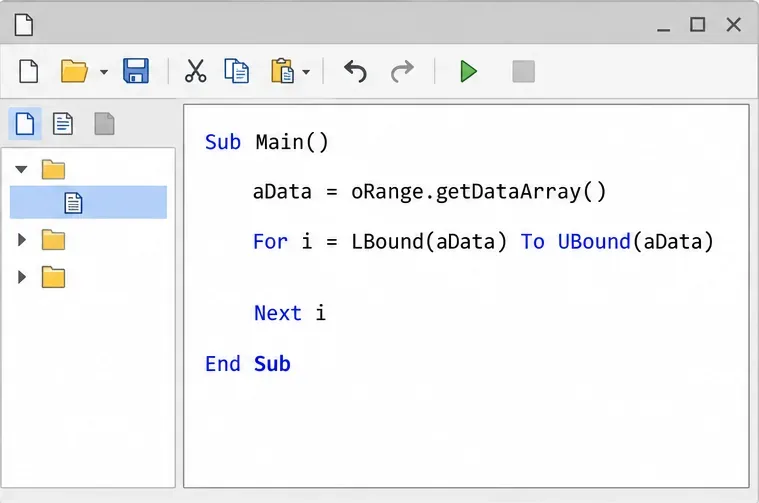
Replace repeated cell access with bulk range reads and writes, then benchmark the result and protect formulas in large Calc workbooks.
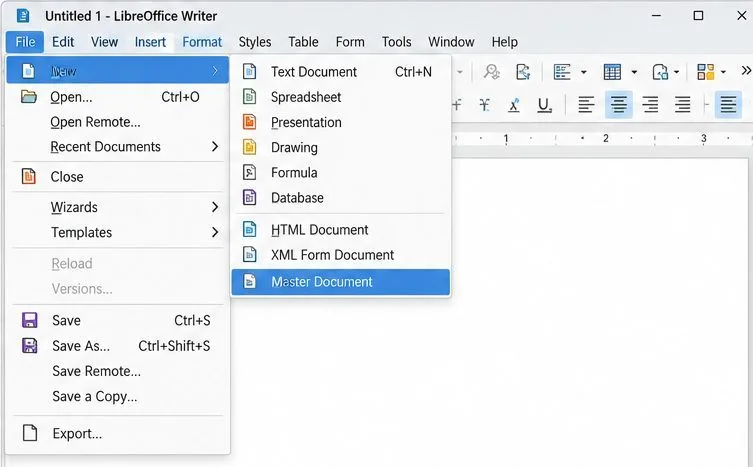
Split a long manuscript into chapters, assemble them in Writer, and keep styles, contents, and export checks consistent.
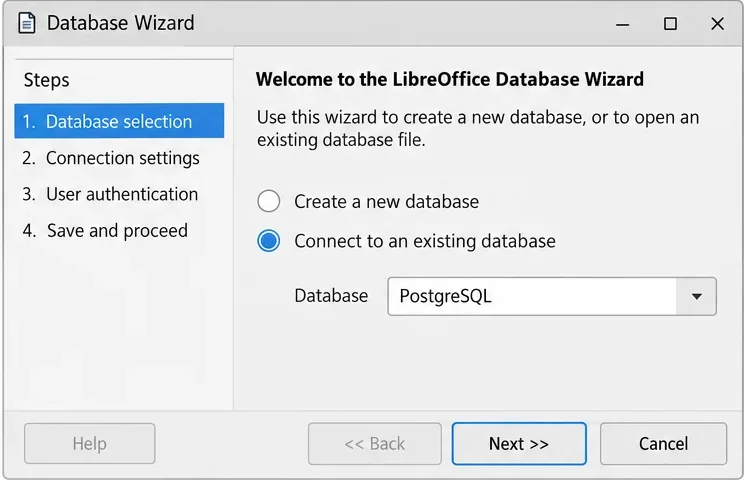
Use Base’s direct PostgreSQL option to enter your server details, sign in, save an ODB connection file, and troubleshoot common access errors.
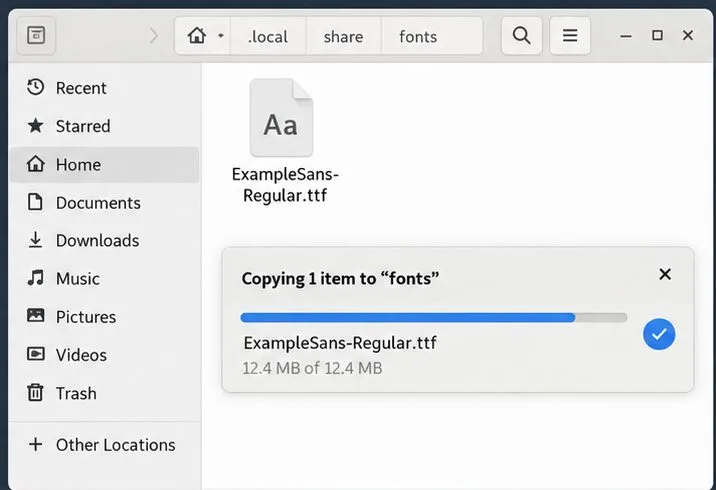
Install a font in your Linux user font folder, restart LibreOffice Flatpak, and confirm it appears in Writer without weakening the app sandbox.
Protect your work and isolate network-drive save crashes in LibreOffice on macOS Sonoma with a local-first workflow, permission checks, and targeted tests.