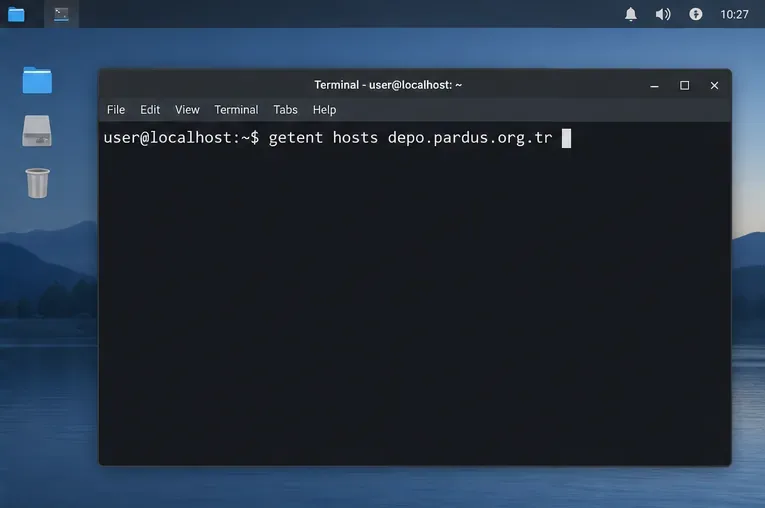
Deploy Shared Pardus Wallpapers and Policies with Lider Ahenk
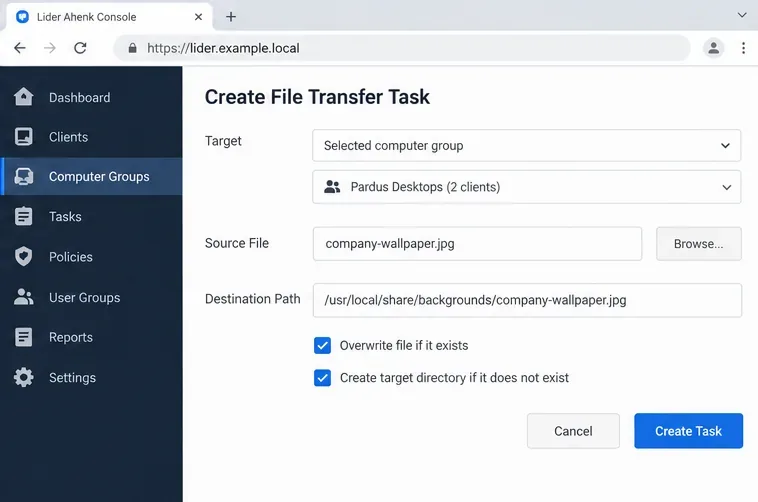
Distribute a custom wallpaper to Pardus clients, configure Xfce or GNOME desktops, and apply Lider Ahenk user policies with safe pilot checks.
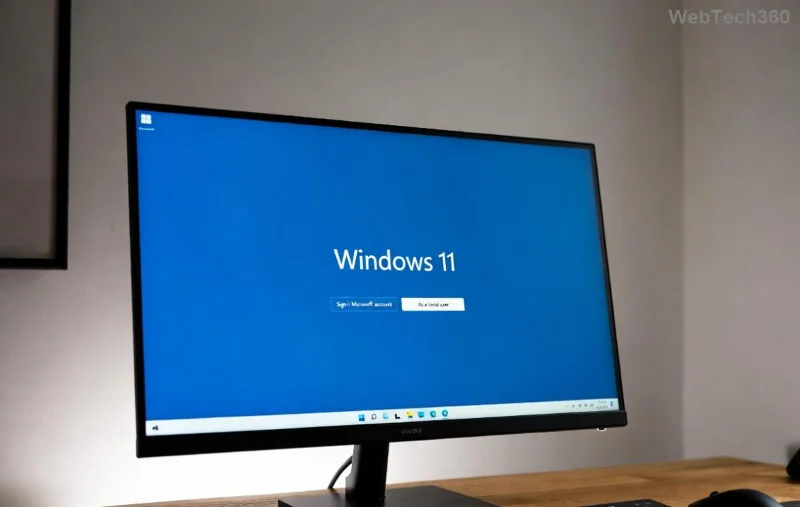
Imagine this: You're trying to install a crucial update or copy important files on your shiny new Windows 11 PC, only to be hit with the dreaded 0x80070570 error message. "The file or directory is corrupted or unreadable." Ouch! 😩 This corrupted file error can halt your workflow, cause endless frustration, and even prevent system upgrades. But don't worry—I've got your back. In this guide, we'll dive straight into practical, up-to-date fixes that work like a charm on the latest Windows 11 builds. By the end, you'll have your PC purring smoothly again. Let's roll up our sleeves and tackle this beast!
The 0x80070570 error is a common Windows hiccup that pops up during file operations like copying, moving, or installing software. It signals that your system has encountered a corrupted file or directory—think of it as a digital pothole in your hard drive's road. This often happens due to bad sectors on your drive, interrupted downloads, malware interference, or even hardware glitches.
On Windows 11, this error is especially pesky during upgrades from older versions or when dealing with OneDrive syncs. The good news? It's usually fixable without calling in a pro. According to Microsoft's official support docs, this error stems from the system's inability to read or write data properly, but with the right steps, you can resolve it quickly. Ready to fix it? Let's jump into the solutions.
We'll start with the simplest methods and escalate to more advanced ones. Follow these in order, and test after each to see if the error vanishes. Pro tip: Back up your important files first using an external drive or cloud storage to avoid any mishaps. 👍
Windows 11 comes packed with powerhouse tools to scan and repair corrupted system files. This is often the #1 fix for 0x80070570.
sfc /scannow. Wait for it to complete—it'll scan and replace any corrupted files automatically.DISM /Online /Cleanup-Image /RestoreHealth. This repairs the Windows image itself.These tools are like a digital mechanic for your OS, and they've been refined in recent Windows 11 updates for even better performance. If you're dealing with a stubborn error, this combo fixes it 80% of the time!
A corrupted drive sector could be the culprit behind the corrupted file error. Use CHKDSK to scan for and fix bad sectors.
chkdsk C: /f /r (replace C: with your system drive if different) and press Enter. If prompted, type Y and restart your PC to let it run.🔧 Fun fact: CHKDSK has gotten smarter in Windows 11, with improved error detection that aligns with the latest NTFS file system tweaks. Once done, your files should be readable again.
For a user-friendly alternative, leverage Windows 11's built-in error checking.
This is perfect for beginners—it's graphical and straightforward. If it finds issues, it'll prompt repairs automatically.
If the 0x80070570 error strikes during file syncs or external drive use, it might be a sync issue.
Many users report this fixes errors tied to cloud syncs, especially after Windows 11's recent storage optimizations.
If the error blocks updates, reset the update service.
net stop wuauservnet stop cryptSvcnet stop bitsnet stop msiserverren C:\Windows\SoftwareDistribution SoftwareDistribution.oldnet start wuauserv, etc.This clears out corrupted update files, a common trigger for 0x80070570 on Windows 11. It's a bit more hands-on, but super effective.
Still stuck? Roll back to a previous state.
These options are safer than a full reinstall and preserve your data. Microsoft recommends them for persistent corruption issues.
Fixing is great, but preventing is better! To avoid future corrupted file errors on Windows 11:
By staying proactive, you'll minimize disruptions and keep your Windows 11 experience seamless. 🎉
| Method | Ease of Use | Time Required | Best For |
|---|---|---|---|
| SFC / DISM | Easy | 10-20 mins | System file corruption |
| CHKDSK | Medium | 30-60 mins | Drive errors |
| Error Checking Tool | Very Easy | 5-15 mins | Quick scans |
| Reset Updates | Medium | 15-30 mins | Update failures |
| System Restore | Easy | Variable | Last resort |
This table helps you pick the right tool for your situation—save it for reference!
Congrats on making it through! The 0x80070570 corrupted file error might feel overwhelming at first, but with these steps, you're equipped to squash it. Most users see results from the first or second method, getting back to productivity in no time. If issues persist, consider hardware checks (like running a memory diagnostic via mdsched.exe) or reaching out to Microsoft Support.
What's your go-to fix for Windows errors? Drop a comment below—I'd love to hear your stories and help more folks. Stay tuned for more Windows 11 tips to keep your tech life hassle-free. You've conquered this—high five! ✋
For official guidance, check out Microsoft's error troubleshooting page.
Distribute a custom wallpaper to Pardus clients, configure Xfce or GNOME desktops, and apply Lider Ahenk user policies with safe pilot checks.
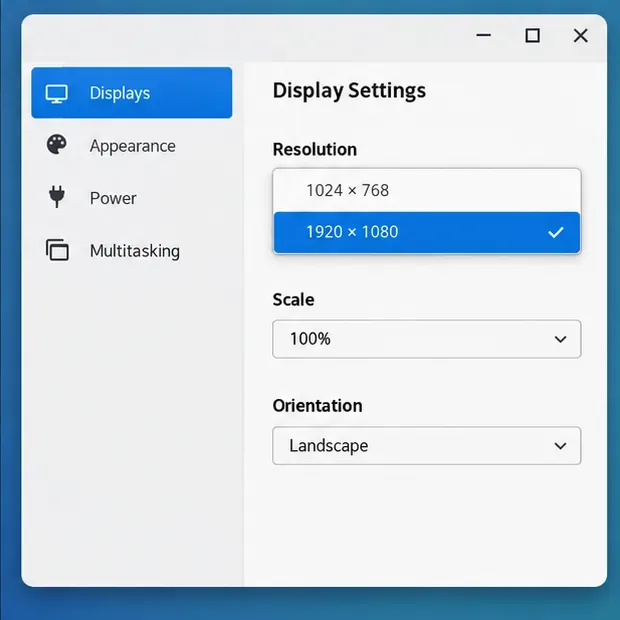
Fix a 1024 × 768 ceiling by checking SPICE, virtual video, the guest channel, and spice-vdagent—with safe checks when Pardus lacks a package candidate.
Set up the Lider server, configure its installer safely, register Ahenk endpoints, and verify a pilot before expanding central management.
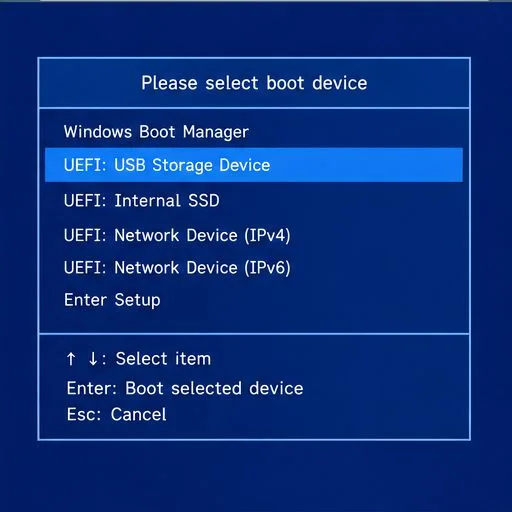
Download the official Pardus 23 desktop ISO, write it safely with Rufus, and boot a Windows PC into a temporary Live session.
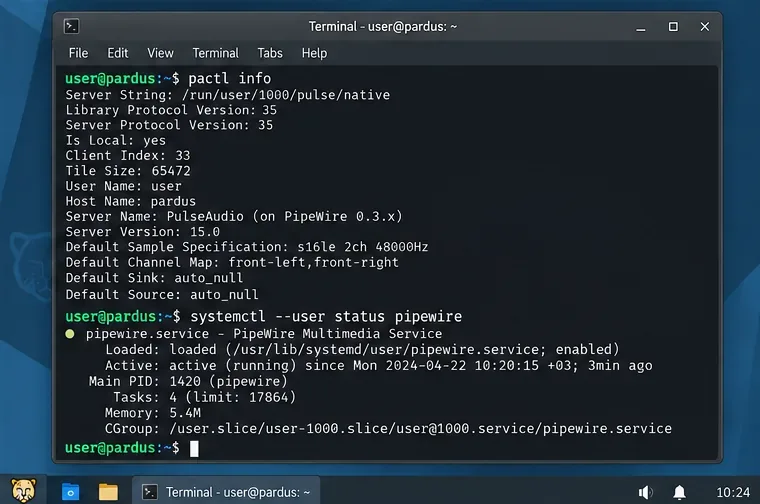
Find out why Pardus 23 cannot detect your sound card, then use targeted ALSA, firmware, and PipeWire or PulseAudio checks to restore playback.
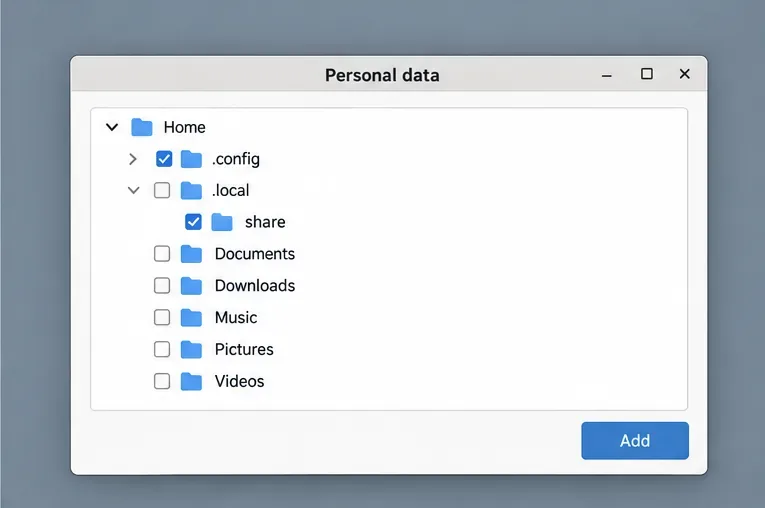
Save HamoniKR preferences to external storage, include hidden home folders, and choose a safe restore mode when moving to a fresh installation.
Install and configure xrdp on Pardus, choose the right Xfce session, restrict network access, and verify that remote login works.
Diagnose Pardus 23 APT connection failures, confirm the official yirmiuc sources, and restore apt update without bypassing package signature checks.
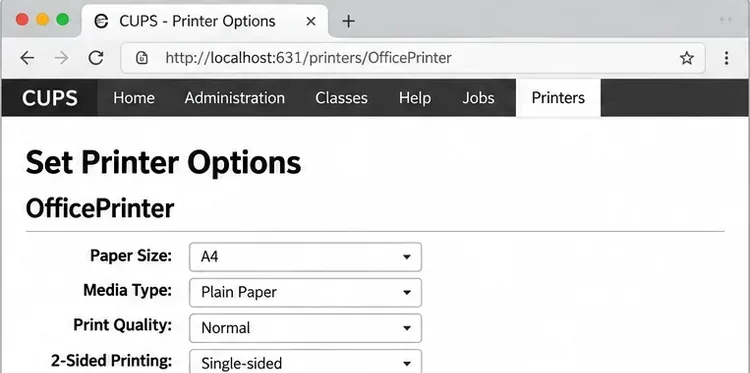
Configure printers on Harmonica OS using CUPS, compare driverless IPP with legacy drivers, and verify USB or network printing with a test page.
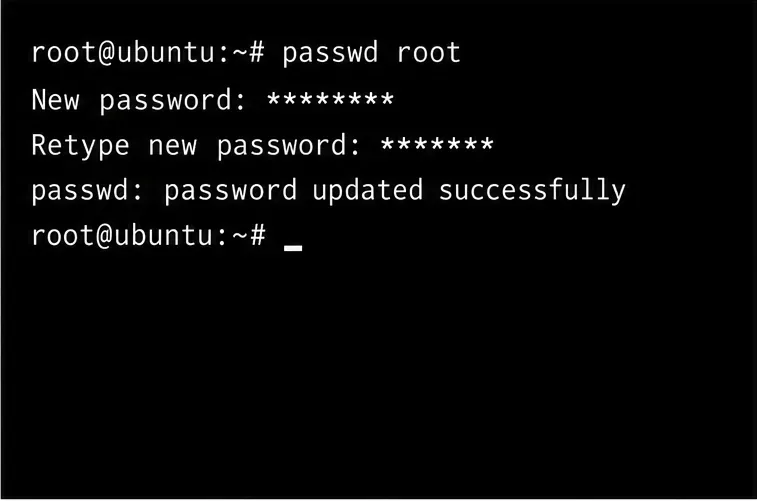
Use a recovery shell to set a new Harmonica OS root password, with checks for encrypted disks, read-only filesystems, and accounts that use sudo.