Fix “No Bootable Device Found” After Installing Debian on UEFI
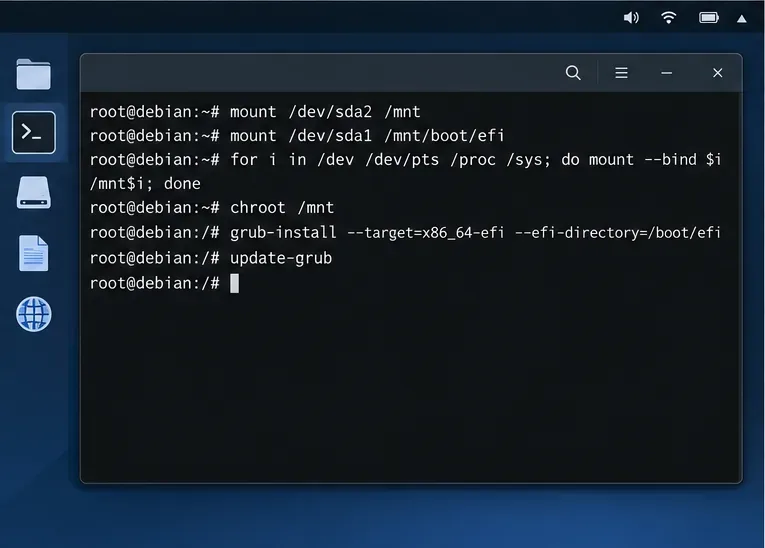
Fix Debian’s UEFI boot error by checking boot mode, the EFI System Partition, GRUB files, and firmware boot order—without reinstalling Debian first.
Imagine wrapping up a long day of work, only to find that your trusty hibernate option missing in Windows 11 Start Menu—it's frustrating, right? 😩 You're not alone. Many Windows 11 users encounter this issue where the hibernate feature simply disappears from the power menu, leaving you without a quick way to save your session and power down efficiently. But don't worry! This guide will walk you through straightforward, effective solutions to fix hibernate Windows 11 and bring back that essential option. We'll keep things simple, focused, and empowering, so you can get your PC behaving exactly how you want it.
Why does this happen? Hibernate saves your current work state to your hard drive and powers off your device, resuming instantly when you turn it back on—perfect for laptops or energy-conscious setups. In Windows 11, it's often hidden by default or disabled due to system settings, fast startup conflicts, or power plan tweaks. The good news? Restoring it is easier than you think, and we'll cover the most reliable methods based on the latest Windows updates.
Before diving into fixes, confirm the issue. Click the Start button, hit the power icon, and check if hibernate appears alongside Sleep, Shut down, and Restart. If it's absent, proceed. This step ensures we're targeting the right problem and sets you up for success. Ready to reclaim your power menu? Let's start with the basics.
The most direct way to restore hibernate Start Menu in Windows 11 is by using the Command Prompt to toggle the feature on. This method works wonders if hibernate was disabled by a previous update or setting change. Follow these steps carefully:
powercfg /hibernate on. This enables the hibernate file on your system.If it doesn't appear immediately, don't fret. Sometimes, a quick reboot or checking your power plan is needed. This command creates a hidden hibernation file (hiberfil.sys) on your drive, which uses space equal to your RAM—handy for quick resumes but worth noting if storage is tight.
Pro Tip: If you're on a SSD drive, hibernate is still beneficial for power savings, but you can reduce the file size with powercfg /hibernate /size 50 to use only 50% of your RAM. Feeling empowered already? Let's move to the next method if this doesn't fully do the trick.
Sometimes, the Windows 11 power options are customized to hide hibernate. Accessing the classic Control Panel gives you granular control. Here's how:
This tweak ensures hibernate shows up in the Start Menu and lock screen power menu. It's a user-friendly approach that aligns with Windows 11's modern interface while tapping into legacy controls. If you're using a custom power plan, switch to Balanced first via Power Options to test—custom plans can override defaults.
Fast Startup in Windows 11 is a hybrid shutdown that speeds up boot times but can interfere with hibernate feature visibility. Disabling it often resolves hidden options without much downside for most users.
Why does this work? Fast Startup saves kernel state like hibernation, creating conflicts. Once off, your fix hibernate Windows 11 efforts will shine. For laptops, this might slightly increase boot time, but the reliability gain is worth it. Test it out and see your Start Menu power options expand!
If the above methods don't restore the hibernate option missing in Windows 11 Start Menu, let's dig deeper. First, ensure your system is up to date—run Windows Update via Settings > Windows Update. Recent patches have addressed power menu glitches.
Next, check for third-party software interference. Tools like antivirus or power management apps (e.g., from OEMs like Dell or HP) might suppress hibernate. Temporarily disable them and test. If you're on a domain-joined PC or enterprise setup, group policies could be the culprit—consult your IT admin or run gpedit.msc and navigate to Computer Configuration > Administrative Templates > System > Power Management > Sleep Settings to enable hibernate options.
| Common Cause | Symptom | Quick Fix |
|---|---|---|
| Disabled by Default | Hibernate not in power menu | Run powercfg /hibernate on |
| Fast Startup Enabled | Intermittent visibility | Disable in Power Options |
| Low Disk Space | Hibernate fails to enable | Free up space or resize hiberfil.sys |
| Group Policy Restriction | Option grayed out | Edit via gpedit.msc |
This table summarizes key scenarios, helping you pinpoint and troubleshoot hibernate feature efficiently. No more guessing games!
Once restored, make the most of hibernate. For battery life on laptops, set it as the default after inactivity via Power Options > Change plan settings > Change advanced power settings > Sleep > Hibernate after. This ensures your device hibernates automatically, saving energy without losing work.
Curious about alternatives? Sleep mode is lighter on resources, but hibernate is unbeatable for full shutdowns with instant resume. If space is an issue, you can disable hibernate entirely with powercfg /hibernate off, but why settle for less when you can fix it?
Congratulations! You've now got the tools to banish the hibernate option missing in Windows 11 Start Menu for good. Whether it's a quick Command Prompt tweak or a deeper power plan adjustment, these steps empower you to customize your PC hassle-free. Your workflow will thank you—faster resumes, better energy management, and zero frustration. 👏
If issues persist, consider a system file check with sfc /scannow in an admin Command Prompt. For official guidance, visit Microsoft's support page on power management: Microsoft Power Plans.
Stick around and explore more Windows 11 tips on our site—your next productivity boost is just a read away!
Fix Debian’s UEFI boot error by checking boot mode, the EFI System Partition, GRUB files, and firmware boot order—without reinstalling Debian first.
The Outlook Inbox Repair Tool fixes corrupted PST files quickly so you can recover emails and restore normal Outlook function. Follow these exact steps to run scanpst.exe without data loss.
Get the Adobe PDF Installer Offline to install Acrobat Reader on any PC without needing internet during setup. Follow these exact steps for the full standalone package.
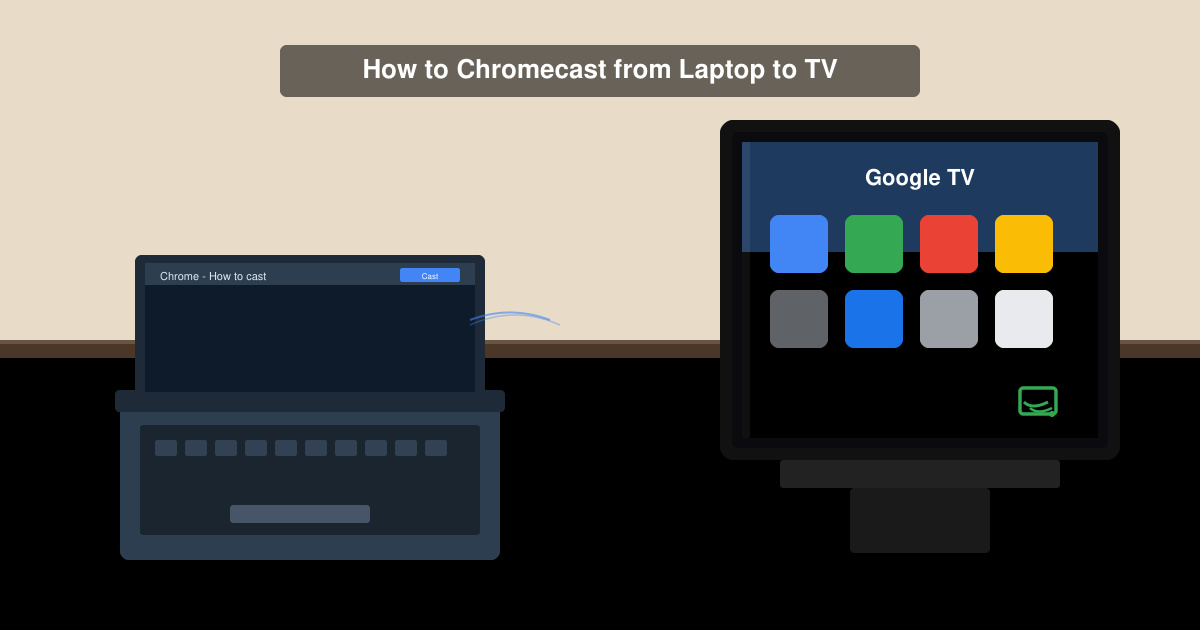
Learn how to Chromecast from laptop to TV with this step-by-step guide. Stream browser tabs, videos, or your full screen from Windows or Mac to your TV in minutes.
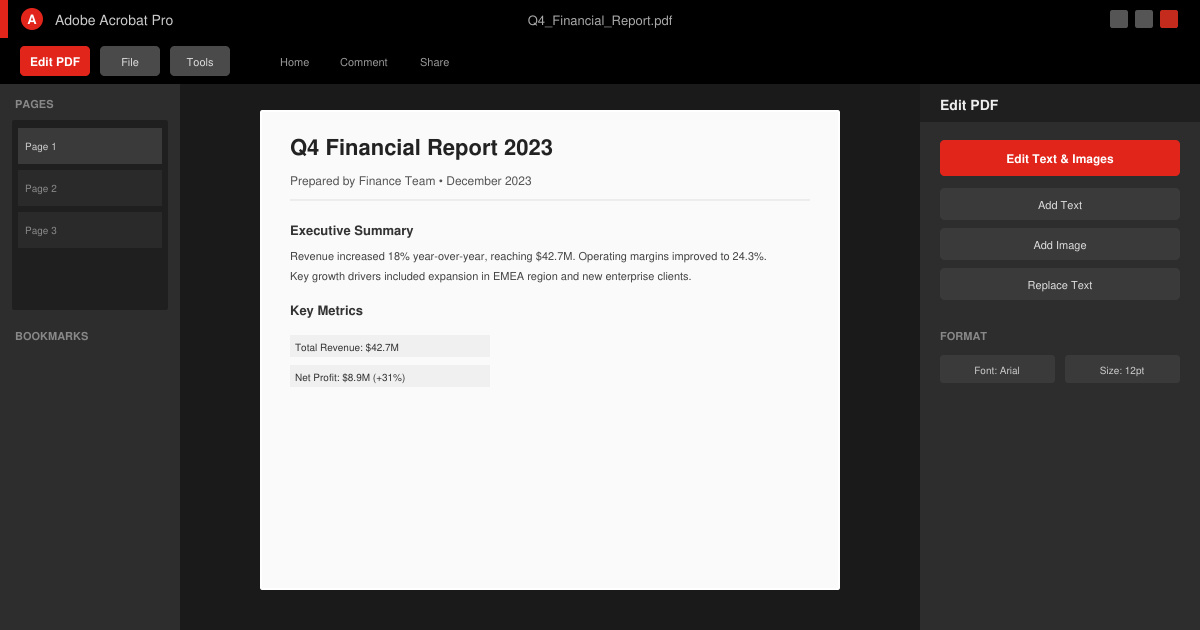
Learn how to edit an Adobe PDF file in Adobe Acrobat with precise steps for text, images, and layout changes. Make professional edits quickly and save time.
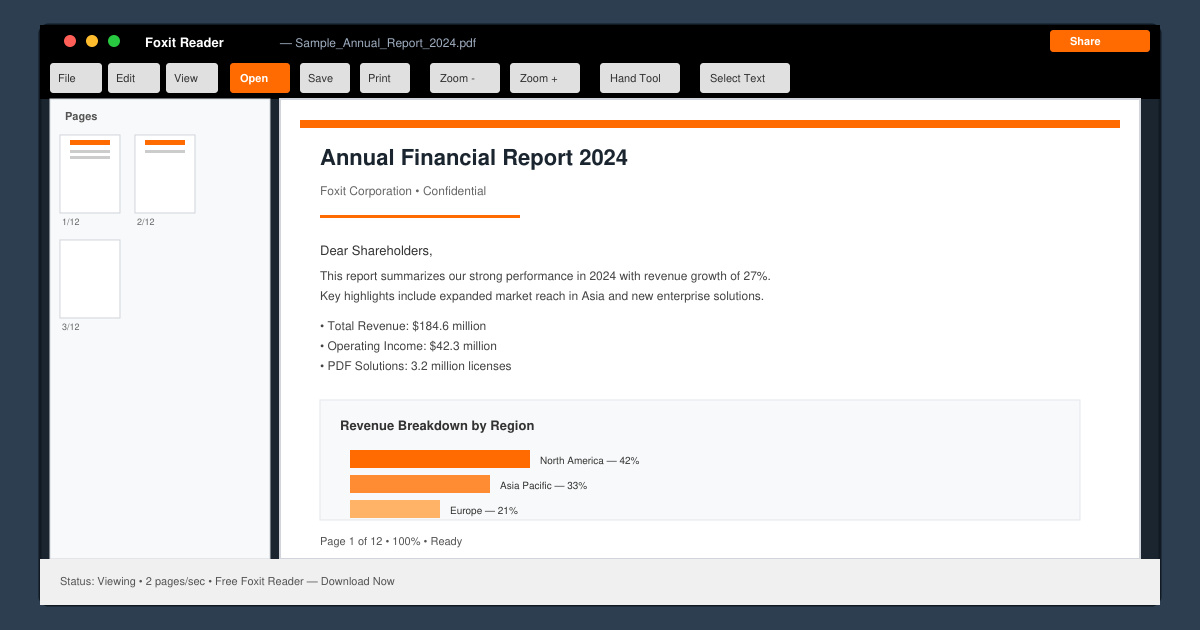
Get your Free Foxit Reader Free Download from the official source with this step-by-step guide that ensures a safe and quick installation for viewing PDFs.
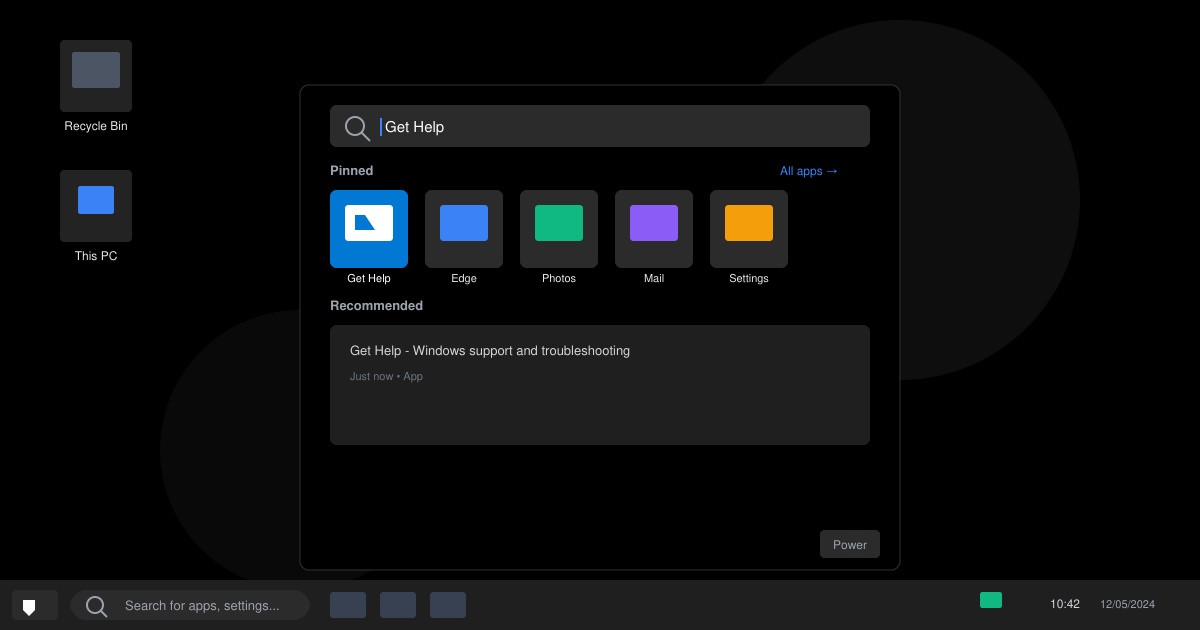
Learn how to get help in Windows 11 with built-in tools like the Get Help app and Quick Assist for fast, official support without third-party downloads.
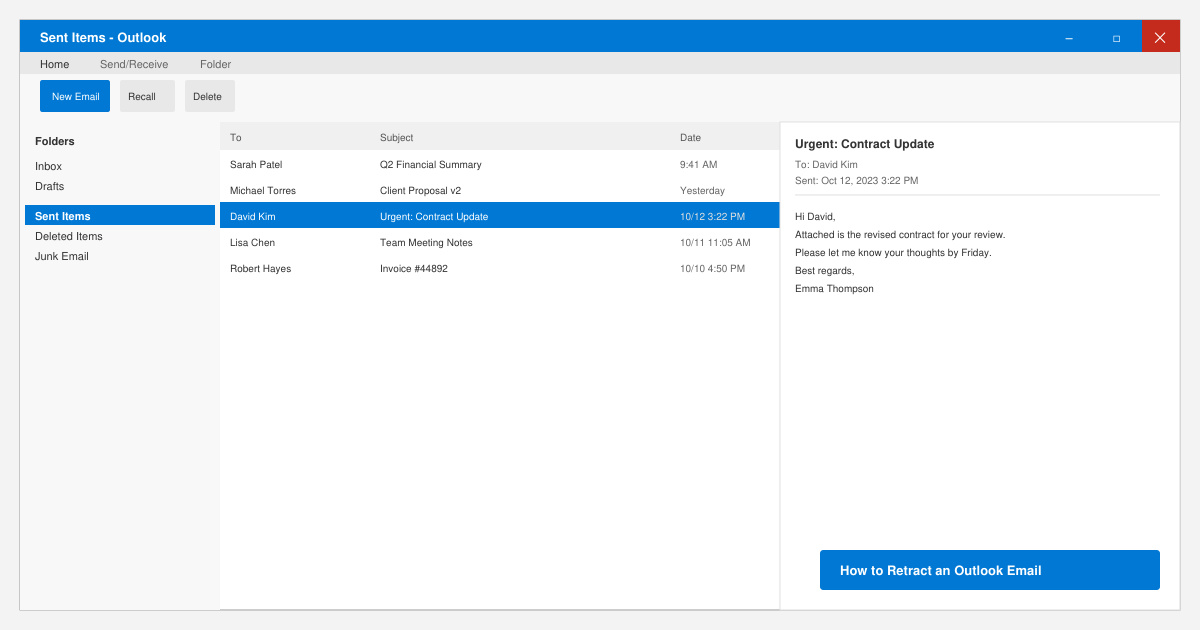
Learn how to retract an Outlook email in Microsoft Outlook when you need to correct a mistake before the recipient opens it. Follow these precise steps for Exchange accounts.
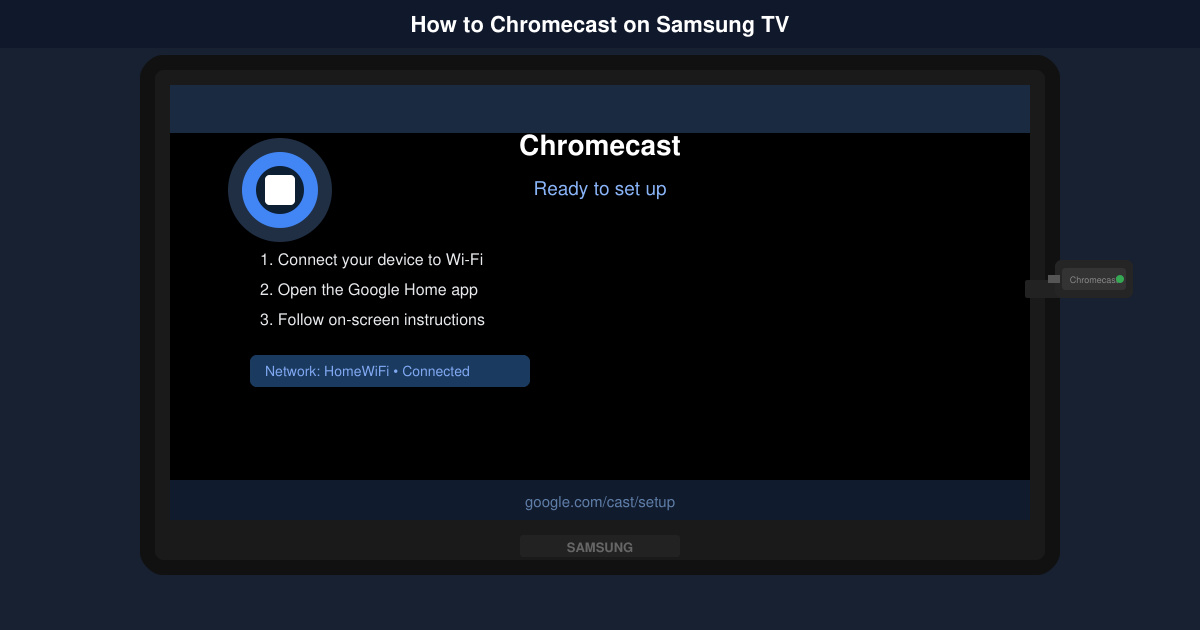
Learn how to Chromecast in Samsung TV by connecting a Chromecast device and streaming from your phone or computer in just a few minutes.
Get the official Adobe Acrobat DC Reader free download safely. Follow this step-by-step guide to install the latest version for viewing and editing PDFs on Windows or Mac.