
How to Fix Ubuntu 24.04 Wi-Fi Disconnecting After Suspend
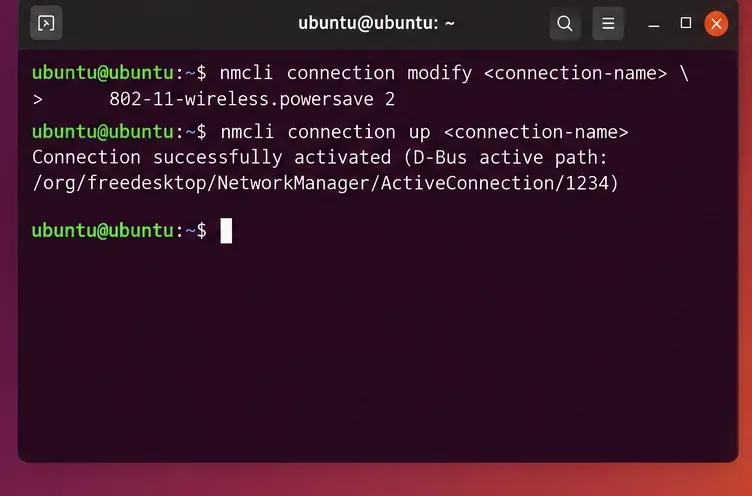
Fix Ubuntu 24.04 Wi-Fi drops after suspend with checks for NetworkManager, radio blocks, updates, power saving, and drivers—then verify each resume.
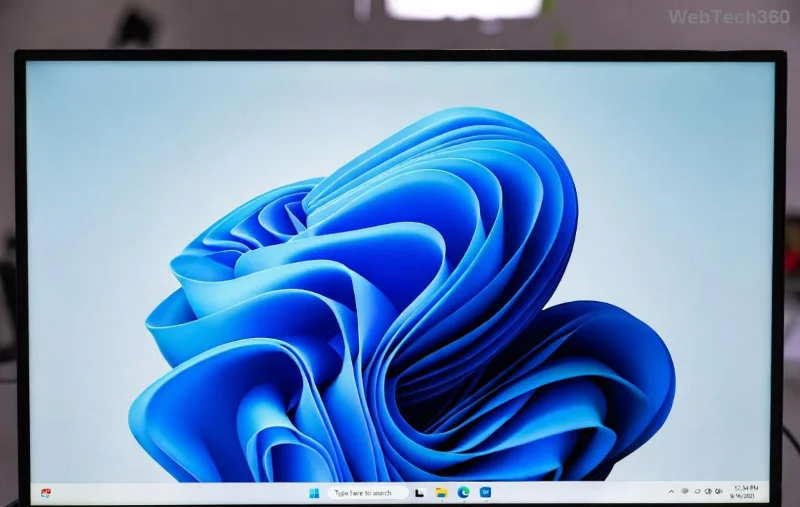
Imagine firing up your favorite playlist or diving into an intense gaming session, only to be rudely interrupted by that annoying audio crackling in Windows 11. It's frustrating, right? 😩 But don't worry—many users face this Windows 11 audio crackling issue, often tied to the clash between 48kHz and 44kHz sample rates. The good news? You can fix it with a few targeted tweaks. In this guide, we'll break down the problem, explore why 48kHz vs 44kHz matters, and walk you through practical solutions to get your sound back to smooth perfection. Let's turn that crackle into clarity!
Audio crackling in Windows 11 isn't just random noise—it's often a symptom of mismatched audio settings. At its core, this involves sample rates: 48kHz (common in professional audio and video) versus 44.1kHz (the standard for music CDs and many streaming services). When your system's sample rate doesn't align with your audio source or hardware, Windows struggles to process the signal, leading to pops, crackles, or distortion.
Why does this happen in Windows 11? The OS defaults to 48kHz for better compatibility with modern apps and hardware, but if your content is mastered at 44.1kHz, real-time conversion can overload your CPU or drivers, causing audio crackling. Recent updates have improved audio handling, but legacy devices or software conflicts keep this issue alive. The fix? Align your settings properly—it's simpler than you think and can transform your listening experience.
Ready to banish the crackles? Follow these steps in order. We'll start with the basics and escalate to advanced tweaks. Pro tip: Restart your PC after each change to test the audio. You'll feel the difference immediately! 🎉
The most common culprit is mismatched sample rates. Switching between 48kHz and 44.1kHz often resolves Windows 11 audio crackling instantly.
This tweak aligns your output with the source material, reducing conversion strain. For most users, 44.1kHz works wonders for streaming, while 48kHz shines in multimedia. No more static—your ears will thank you!
Outdated drivers are a sneaky cause of audio crackling. Windows 11's latest builds (as of 2026) rely on up-to-date Realtek, NVIDIA, or other audio drivers for smooth performance.
Updating fixed the issue for thousands of users reporting 48kHz vs 44kHz conflicts. It's a 5-minute task that prevents future headaches.
Windows 11's built-in enhancements can interfere, especially with sample rate mismatches, amplifying audio crackling.
This strips away unnecessary processing, letting raw 44kHz or 48kHz signals flow cleanly. If you're into high-fidelity audio, this purity is a game-changer.
Windows 11 has a smart built-in tool to detect Windows 11 sound issues.
For deeper conflicts, open Task Manager (Ctrl + Shift + Esc) and close bandwidth-hogging apps like browsers or VPNs during audio playback. High CPU usage often exacerbates 48kHz vs 44kHz resampling glitches.
If basic fixes fall short, dive deeper. Enter your BIOS (restart and press Del/F2) and ensure onboard audio is enabled without overclocks. For hardware, test with different ports or external DACs—sometimes, it's a faulty cable causing crackles at certain rates.
Consider this table for quick 48kHz vs 44kHz comparisons:
| Sample Rate | Best For | Pros | Cons (in Windows 11) |
|---|---|---|---|
| 44.1kHz | Music, Streaming | CD-quality fidelity, lower CPU load for audio-only | May cause crackling if hardware defaults to 48kHz |
| 48kHz | Video, Gaming | Better sync with video, Windows 11 default | Conversion overhead for 44.1kHz sources leads to distortion |
This overview helps you choose wisely—match your primary use case to avoid audio distortion fix loops.
Once fixed, keep it that way: Regularly update Windows via Settings > Windows Update, avoid mixing sample rates in apps (e.g., set Spotify to match your system), and monitor for driver alerts. If you're a power user, tools like Microsoft's Audio Graph Extender can enhance compatibility.
Bonus tip: For gamers, ensure your GPU audio (HDMI) matches the system rate to sidestep Windows 11 sound issues during sessions.
There you have it—a straightforward path to silencing audio crackling in Windows 11. By tackling the 48kHz vs 44kHz mismatch head-on, you'll unlock smoother, immersive sound that elevates everything from podcasts to blockbusters. If these steps don't fully resolve it, consider community forums like Reddit's r/Windows11 for tailored advice. You've got this—hit play and savor the silence! 👏 What was your fix? Share in the comments below.
Fix Ubuntu 24.04 Wi-Fi drops after suspend with checks for NetworkManager, radio blocks, updates, power saving, and drivers—then verify each resume.
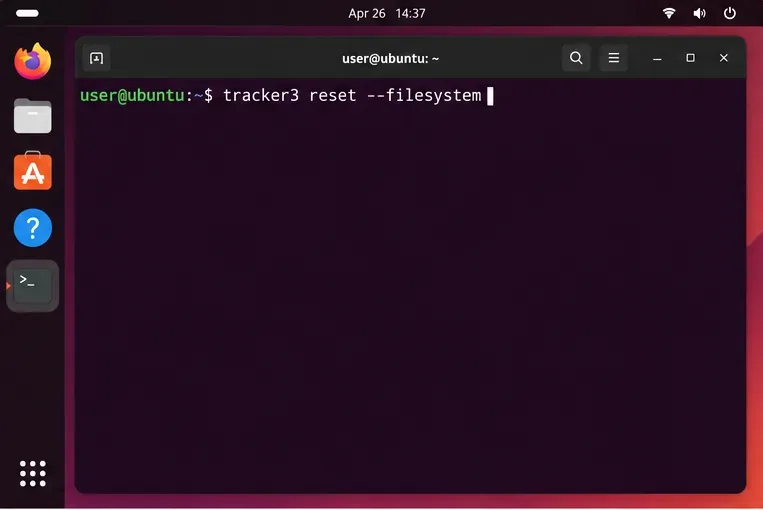
Learn why tracker-miner-fs-3 uses high CPU in Ubuntu GNOME and how to check indexing, exclude folders, update Ubuntu, or safely rebuild the search index.
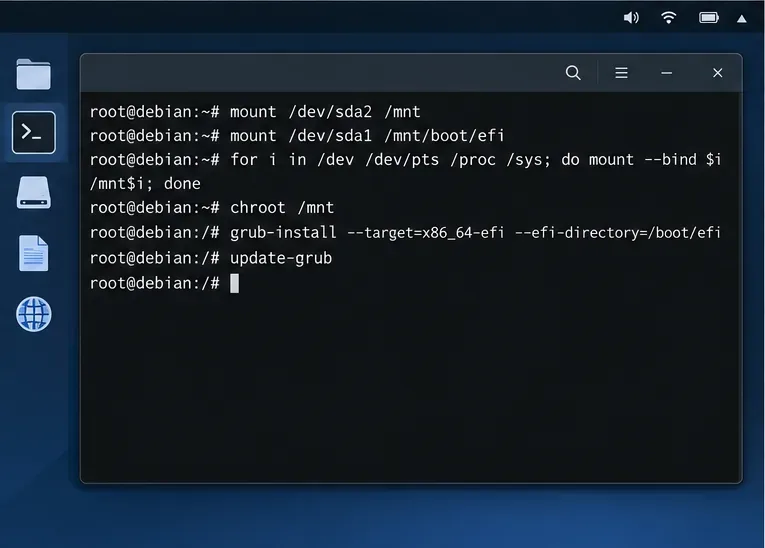
Fix Debian’s UEFI boot error by checking boot mode, the EFI System Partition, GRUB files, and firmware boot order—without reinstalling Debian first.
The Outlook Inbox Repair Tool fixes corrupted PST files quickly so you can recover emails and restore normal Outlook function. Follow these exact steps to run scanpst.exe without data loss.
Get the Adobe PDF Installer Offline to install Acrobat Reader on any PC without needing internet during setup. Follow these exact steps for the full standalone package.
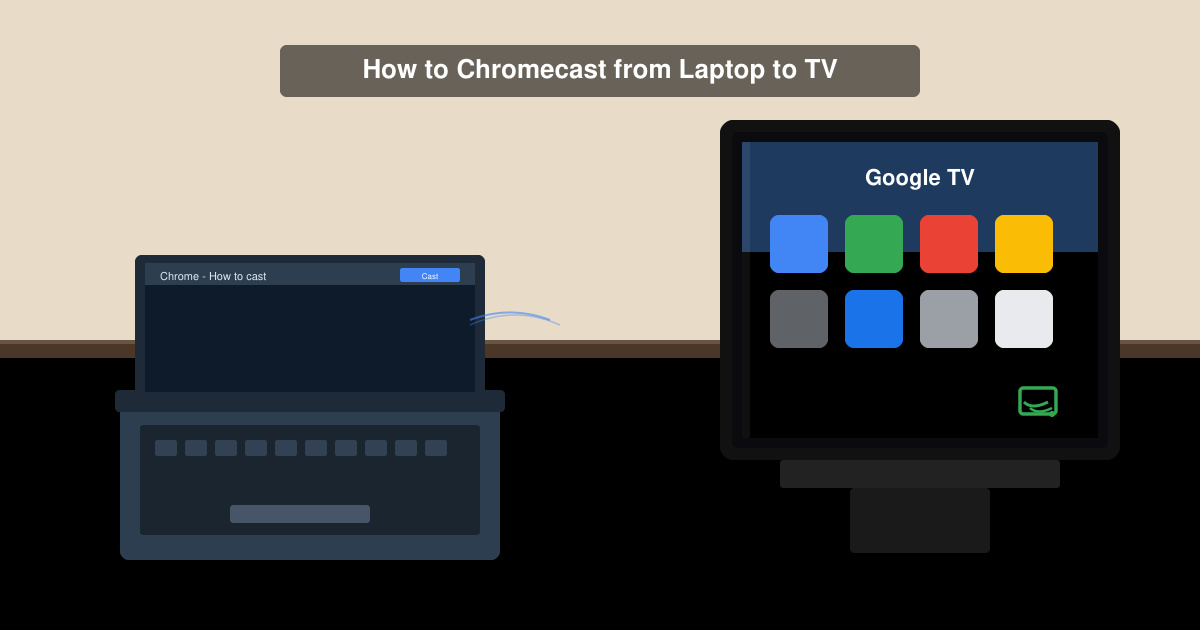
Learn how to Chromecast from laptop to TV with this step-by-step guide. Stream browser tabs, videos, or your full screen from Windows or Mac to your TV in minutes.
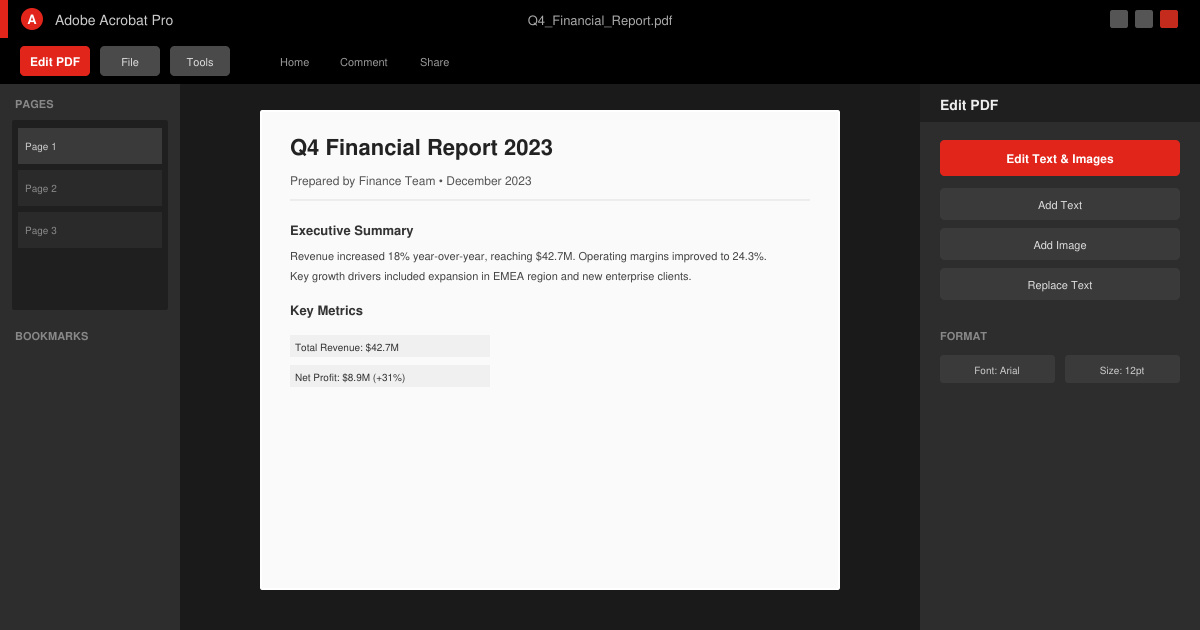
Learn how to edit an Adobe PDF file in Adobe Acrobat with precise steps for text, images, and layout changes. Make professional edits quickly and save time.
Get your Free Foxit Reader Free Download from the official source with this step-by-step guide that ensures a safe and quick installation for viewing PDFs.
Learn how to get help in Windows 11 with built-in tools like the Get Help app and Quick Assist for fast, official support without third-party downloads.
Learn how to retract an Outlook email in Microsoft Outlook when you need to correct a mistake before the recipient opens it. Follow these precise steps for Exchange accounts.