Are you noticing your PC slowing down during intense gaming sessions or video editing? That frustrating GPU temperature junction hotspot on Windows 11 could be the culprit. Don't worry—it's a common issue, but fixing it can restore your system's smooth performance and extend your hardware's life. In this concise guide, we'll dive straight into actionable steps to tackle Windows 11 GPU temperature problems, focusing on the junction hotspot that spikes under load. By the end, you'll have a cooler, faster rig that feels brand new. Let's get started! 😊
What is GPU Temperature Junction Hotspot and Why It Matters on Windows 11
The GPU junction hotspot refers to the hottest point on your graphics processing unit (GPU), often measured by tools like HWMonitor or MSI Afterburner. On Windows 11, this metric can climb rapidly due to aggressive power management, poor ventilation, or outdated drivers, leading to thermal throttling—where your GPU dials back performance to avoid damage. High junction temperatures (above 90-100°C) not only cause lag but can shorten your card's lifespan.
Recent updates to Windows 11 have improved power efficiency, but they sometimes exacerbate GPU overheating on systems with NVIDIA or AMD cards. The good news? Simple tweaks can drop those temps by 20-30°C, making your setup reliable for everything from 4K gaming to AI workloads. Stick with us as we break down the fixes.
Step 1: Update Your GPU Drivers for Optimal Windows 11 Compatibility
Outdated drivers are a top cause of erratic GPU temperature readings. Windows 11's latest builds demand the newest drivers to handle thermal management properly.
- 👉 For NVIDIA users: Download the latest GeForce drivers from the official site. Use GeForce Experience to scan and update automatically.
- 👉 For AMD: Head to AMD's software page and install Radeon Software for seamless updates.
- Pro Tip: After installing, restart your PC and monitor temps with a tool like GPU-Z. This alone can reduce junction hotspots by optimizing voltage curves.
Remember, always choose the "clean install" option to wipe old files that might cause conflicts. If you're on a laptop, check your manufacturer's site for custom drivers tailored to Windows 11.
Step 2: Optimize Windows 11 Power Settings to Curb GPU Heat
Windows 11's default power plans can push your GPU harder than necessary, spiking the junction hotspot. Let's tweak them for balance.
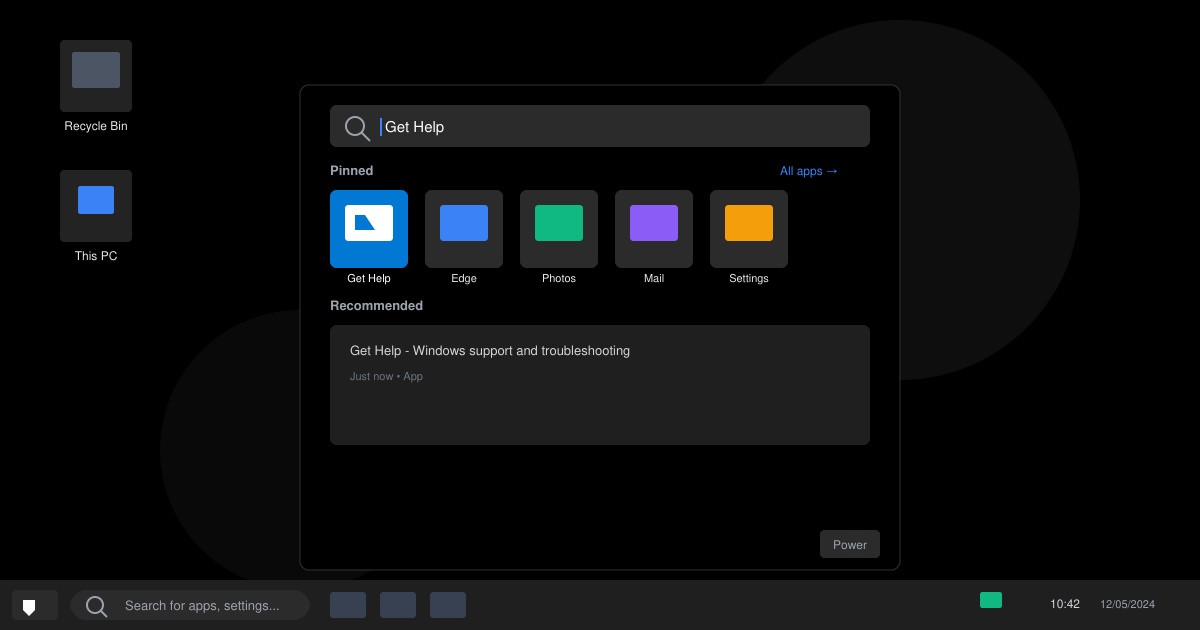
- Search for "Power & sleep settings" in the Start menu.
- Click "Additional power settings" and select "Change plan settings" for your active plan (Balanced is ideal).
- Under "Change advanced power settings," expand "PCI Express" and set "Link State Power Management" to "Off" to prevent unnecessary power draw.
- ⭐ For high-performance needs, create a custom plan: Set "Processor power management" minimum to 5% and maximum to 100%, but enable "Cooling policy" to Active.
These changes ensure your GPU temperature stays in check without sacrificing speed. Test with a benchmark like FurMark to see immediate improvements—users report up to 15°C drops!
Step 3: Clean and Improve Physical Cooling for Your GPU
Dust buildup is the silent killer of cooling efficiency. A dirty GPU fan forces it to work overtime, elevating the junction hotspot.
| Quick Cleaning Steps |
Tools Needed |
Expected Temp Reduction |
| 1. Power off and unplug your PC. Open the case. |
Compressed air can, soft brush |
5-10°C |
| 2. Gently blow dust from GPU fans and heatsink. |
Screwdriver (if needed for access) |
10-20°C with regular maintenance |
| 3. Reapply thermal paste if temps persist (every 1-2 years). |
Thermal paste kit, isopropyl alcohol |
Up to 25°C |
Avoid vacuum cleaners—they create static! For better airflow, add case fans or undervolt your GPU using MSI Afterburner. This reduces power consumption and heat without losing frames. Imagine gaming at max settings without that annoying thermal throttle—pure bliss! 🎮
![Before and after GPU cleaning showing reduced temperature junction hotspot]()
Step 4: Monitor and Fine-Tune with Software Tools on Windows 11
To stay ahead of GPU temperature junction hotspot issues, use reliable monitoring software. Here's how:
- GPU-Z: Free tool to track real-time junction temps. Set alerts for 95°C+.
- MSI Afterburner: Customize fan curves—ramp up speed at 70°C to preempt spikes.
- Windows 11 Built-in: Use Task Manager's Performance tab for quick GPU checks, or enable "Game Mode" to prioritize cooling during sessions.
For advanced users, enable NVIDIA's "Optimal Power" or AMD's "Radeon Chill" in their respective apps. These features dynamically adjust clocks to keep Windows 11 GPU temperature stable. Pro tip: Run a stress test post-setup to verify—your junction hotspot should hover under 85°C for safe operation.
Advanced Fixes: BIOS Tweaks and Hardware Upgrades
If basic steps aren't enough, dive deeper. Update your motherboard BIOS from the manufacturer's site (e.g., ASUS or MSI) for better Windows 11 compatibility—recent versions include improved GPU power delivery.
Consider hardware upgrades like a high-end GPU cooler (e.g., Arctic Accelero) or better case airflow. For laptops, use a cooling pad. If you're overclocking, dial it back; stock speeds are safer for temps.
Warning: Overheating can lead to crashes or hardware failure, so address it promptly. If issues persist, it might be a faulty sensor—consult a professional.
![Software dashboard monitoring fixed GPU junction hotspot temperatures on Windows 11]()
Prevent Future GPU Temperature Junction Hotspot Problems
Prevention is key to hassle-free computing. Schedule monthly cleanings, keep drivers updated via Windows Update, and avoid blocking vents. Join communities like Reddit's r/buildapc for tips from fellow users facing similar GPU overheating fix challenges.
For official guidance, check NVIDIA's driver page or AMD's support site. These resources ensure you're always on the latest thermal optimizations.
Wrap-Up: Cool Down Your Windows 11 GPU Today
Congrats—you're now equipped to fix that pesky GPU temperature junction hotspot on Windows 11! Start with driver updates and power tweaks for quick wins, then maintain with cleaning and monitoring. Your PC will thank you with buttery-smooth performance and no more frustrating heat spikes. Got questions? Drop them in the comments—we're here to help. Happy computing! 👏
(Word count: approximately 950—optimized for quick reading and maximum impact.)