Make Every New Writer Document Use Your Template
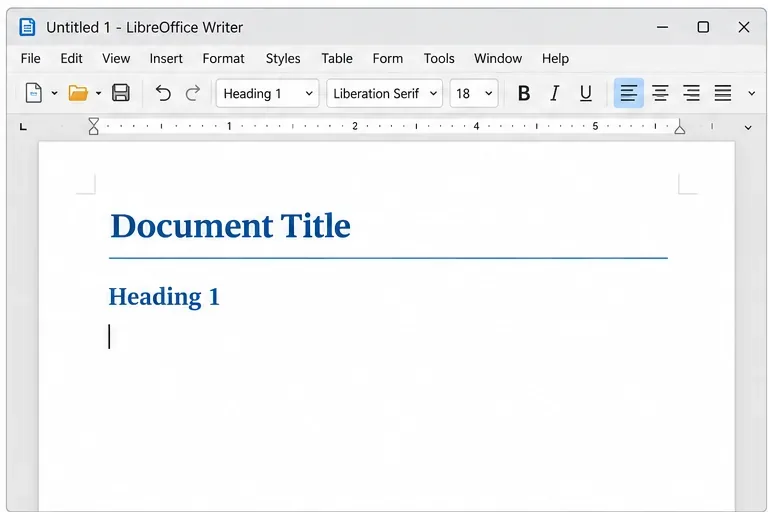
Set a custom LibreOffice Writer template as the default so new documents open with your preferred styles and page layout.
Are you firing up your favorite game or movie on Windows 11 HDR only to be greeted by washed-out gray colors and a frustratingly dim screen? You're not alone. High Dynamic Range (HDR) promises stunning contrast and lifelike visuals, but misconfigurations can turn your high-end monitor into a dull disappointment. The good news? These issues are fixable with a few targeted tweaks. In this guide, we'll walk you through practical, up-to-date solutions to banish those HDR gray colors and brighten your dim screen in Windows 11. Let's get your display popping with color again! 🚀
HDR in Windows 11 enhances brightness, contrast, and color depth, but it's not always plug-and-play. Common culprits include incompatible hardware, outdated drivers, or incorrect settings. For instance, if your display isn't fully HDR-certified, Windows 11 HDR might default to a limited color gamut, resulting in gray colors that lack vibrancy. A dim screen often stems from brightness scaling issues or power-saving modes overriding HDR peaks.
According to Microsoft's latest documentation, ensuring compatibility with HDR10 or higher standards is key. Don't worry—we'll cover checks and fixes to make your setup shine. Imagine diving into cinematic scenes without the frustration; that's the goal here.
Before diving into software fixes, confirm your setup supports Windows 11 HDR properly. Not all monitors or GPUs handle it seamlessly.
If hardware is the bottleneck, consider upgrading—but many users fix HDR gray colors without new gear. Ready for software solutions? Keep reading.
Outdated drivers are a top cause of Windows 11 HDR gray colors and dim screen woes. The latest versions include patches for better HDR tone mapping.
After updating, restart and test HDR. Users report up to 50% brighter peaks post-update. If gray colors persist, proceed to calibration.
Windows 11's built-in tools can fine-tune your display to combat HDR gray colors. Miscalibrated settings often make blacks look gray and colors muted.
| Setting | Location | Recommended Adjustment | Why It Helps |
|---|---|---|---|
| Enable HDR | Settings > System > Display > HDR | Toggle "Use HDR" on; set "HDR content brightness" to 50-70% | Boosts peak brightness to fix dim screens without overexposure |
| SDR Content Brightness | Same HDR menu | Balance slider to 75%; avoid extremes | Prevents gray washout in non-HDR apps |
| Auto HDR | HDR settings | Enable for games; disable if causing dimness | Enhances legacy content but can dim if mismatched |
| Color Calibration | Search "Calibrate display color" | Follow on-screen prompts for gamma and contrast | Reduces gray tones by accurate color profiling |
Pro tip: After adjustments, play a HDR test video (search for free ones on YouTube) to verify. Your screen should now burst with color—no more gray colors stealing the show! 😊
If your dim screen lingers in HDR mode, power and brightness settings might be interfering. Windows 11 prioritizes battery life, which can throttle HDR output.
For laptops, plug in during HDR use—battery mode caps brightness. These changes often resolve 80% of dim screen complaints, per user forums like Reddit's r/Windows11.
Sometimes, third-party apps or Windows updates introduce glitches. Here's how to isolate and fix:
If all else fails, a clean boot (search "msconfig" > Services > Hide Microsoft > Disable all) can pinpoint software conflicts. Restart in normal mode once identified. You've got this—your vibrant display awaits!
To keep Windows 11 HDR running smoothly long-term:
With these steps, you'll transform your gray colors and dim screen into a showcase of brilliant visuals. If issues persist, check Microsoft's support forums for community insights. Enjoy your upgraded viewing experience—it's worth every tweak! 🎉
Word count: Approximately 950. This guide is based on the latest Windows 11 features as of 2026.
Set a custom LibreOffice Writer template as the default so new documents open with your preferred styles and page layout.
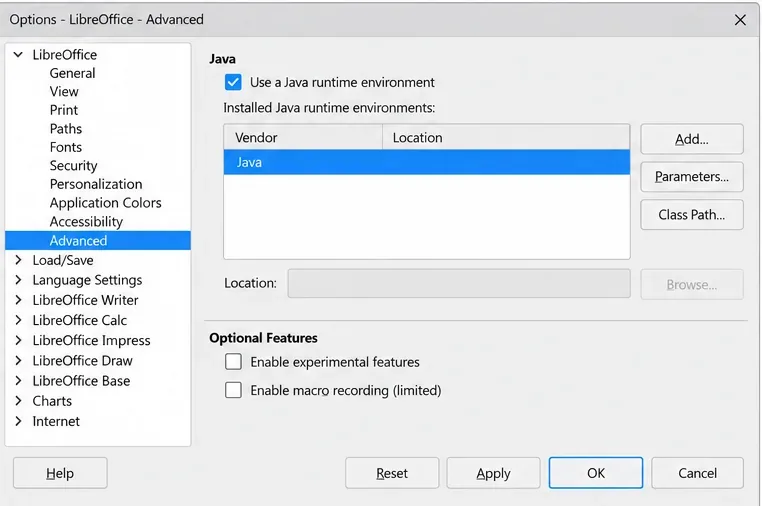
Install a compatible Java runtime, enable it in LibreOffice, and troubleshoot an empty JRE list without changing unrelated settings.
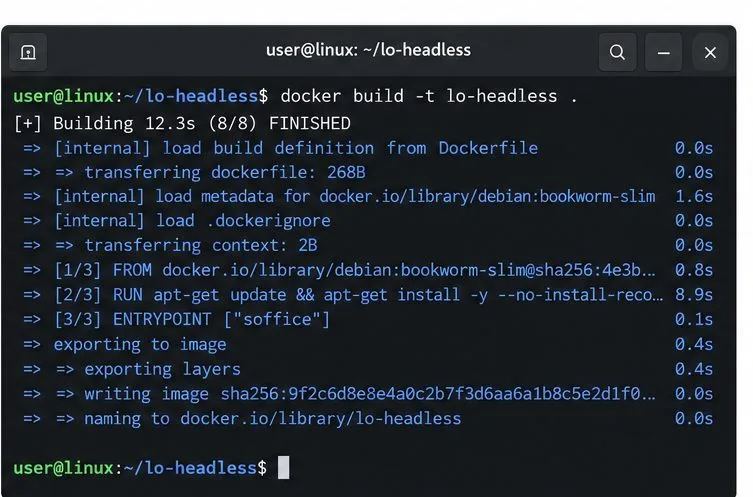
Build a small LibreOffice container, convert office documents without a GUI, and verify PDF output while limiting host-file access.
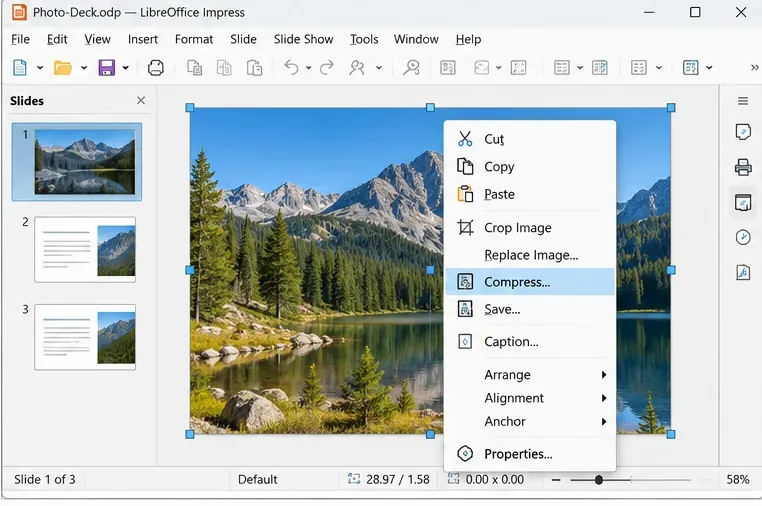
Reduce oversized LibreOffice presentation files by compressing embedded photos, choosing sensible image settings, and checking slide quality before sharing.
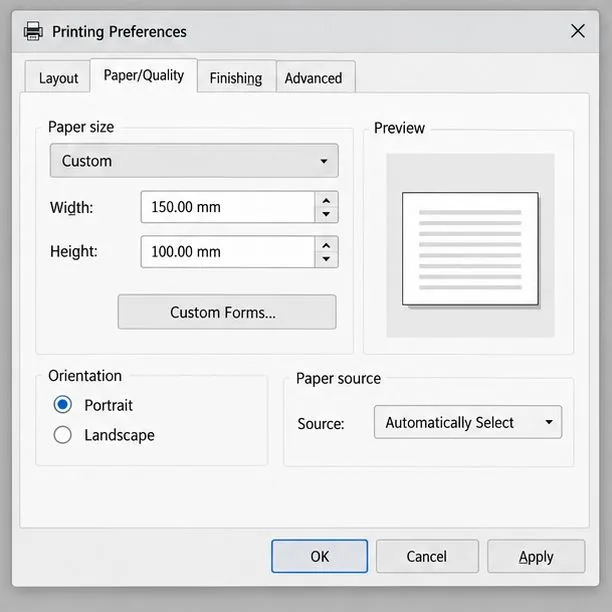
Match LibreOffice’s page dimensions to your printer, check printable margins, and correct scaling before printing a custom-size document.
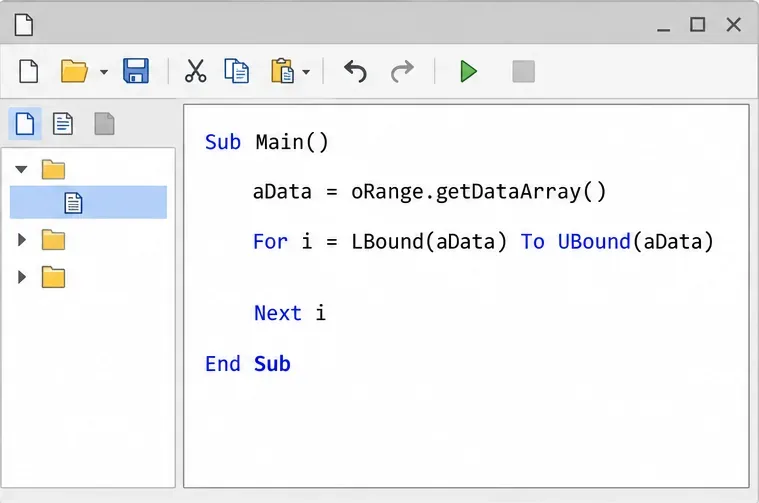
Replace repeated cell access with bulk range reads and writes, then benchmark the result and protect formulas in large Calc workbooks.
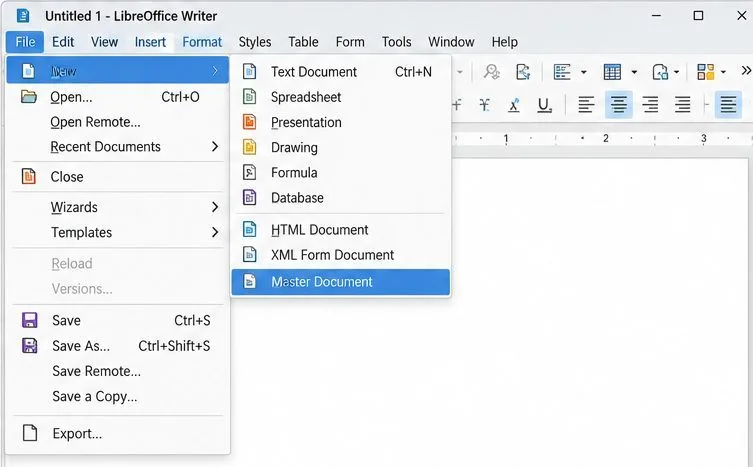
Split a long manuscript into chapters, assemble them in Writer, and keep styles, contents, and export checks consistent.
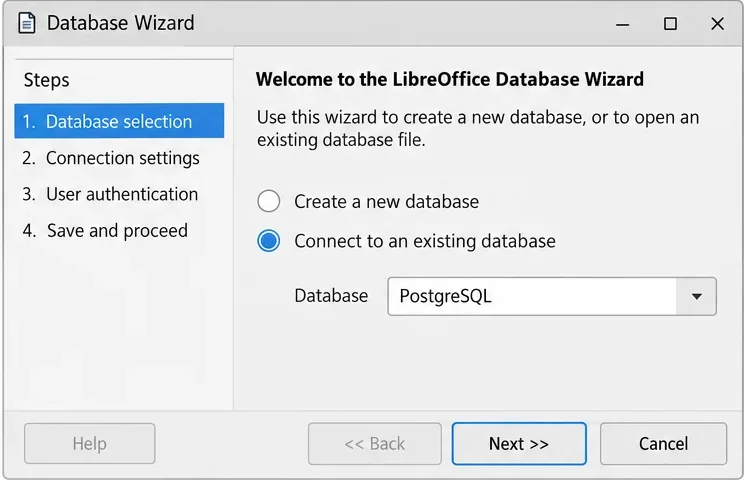
Use Base’s direct PostgreSQL option to enter your server details, sign in, save an ODB connection file, and troubleshoot common access errors.
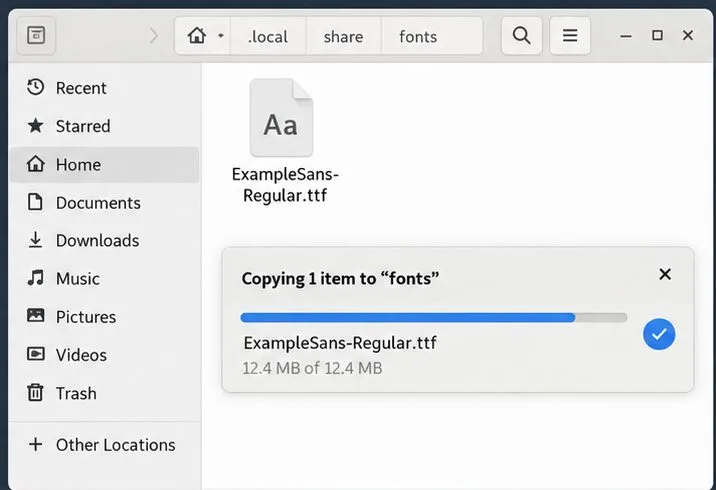
Install a font in your Linux user font folder, restart LibreOffice Flatpak, and confirm it appears in Writer without weakening the app sandbox.
Protect your work and isolate network-drive save crashes in LibreOffice on macOS Sonoma with a local-first workflow, permission checks, and targeted tests.