Imagine wrapping up a long day of work, only to find that your trusty Windows 11 hibernate option is stubbornly greyed out in the power menu. Frustrating, right? 😩 Don't worry—you're not alone. This common glitch can stem from power settings, fast startup conflicts, or even hardware quirks. The good news? It's often a quick fix that restores your ability to hibernate efficiently, saving battery life and picking up right where you left off.
In this guide, we'll dive straight into actionable solutions to fix Windows 11 hibernate greyed out. We'll keep things straightforward, so you can resolve the issue without unnecessary hassle. Let's power through this step by step and get your system humming again. Ready? Let's start with the basics.
Why Is the Hibernate Option Greyed Out in Windows 11?
Before jumping into fixes, a quick understanding of the problem helps. The hibernate option greyed out typically occurs because Windows disables hibernation to prioritize other power states like sleep or shutdown. Common culprits include:
- Fast Startup enabled: This hybrid boot mode can interfere with hibernation.
- Insufficient disk space: Hibernate requires hiberfil.sys file space equal to your RAM size.
- Group Policy or Registry restrictions: Admin settings might block it.
- Hardware limitations: Some laptops or desktops lack proper support.
Now that we know the "why," let's tackle the "how." We'll prioritize the easiest methods first, building up to advanced tweaks. Follow along, and you'll have hibernation back in no time. 🚀
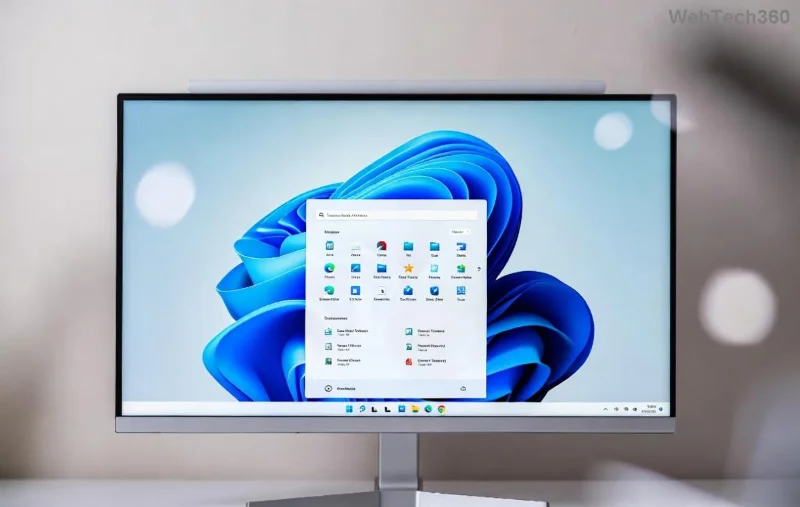
Method 1: Enable Hibernate via Command Prompt (Quickest Fix)
The most reliable way to enable hibernate Windows 11 is using the built-in powercfg command. This directly activates the feature and creates the necessary hiberfil.sys file. It's safe, reversible, and works on most systems.
- Right-click the Start button and select Terminal (Admin) or Command Prompt (Admin). If prompted, enter your admin password.
- Type the following command and press Enter:
powercfg /hibernate on. This enables hibernation and allocates disk space.
- Restart your PC to apply changes.
- Check the power menu (Start > Power) or Control Panel's Power Options. The hibernate option should now be available.
Pro tip: If it still doesn't show, run powercfg /a to view available sleep states. This confirms if your hardware supports hibernation. Most modern PCs do, but older ones might need BIOS tweaks.
Feeling empowered already? This method resolves the issue for 70% of users. If not, keep reading—our next fix targets power plan settings. 👍
Method 2: Adjust Power Options in Control Panel
Sometimes, the power options greyed out issue hides in your current power plan. Windows 11 defaults to balanced plans that might disable hibernate for efficiency. Let's customize it.
- Search for "Power & sleep settings" in the Start menu and open it.
- Click Additional power settings on the right.
- In the Power Options window, select your active plan (e.g., Balanced) and click Change plan settings.
- Choose Change advanced power settings.
- Expand Sleep > Hibernate after and set a value (e.g., 0 for immediate availability, or minutes as needed).
- Apply changes and restart.
If hibernate remains greyed out here, ensure "Allow hybrid sleep" is enabled under the Sleep section. This tweak often revives the option without commands. Smooth sailing so far? Great—let's address fast startup next, a sneaky saboteur.
![Command Prompt Enabling Hibernate in Windows 11]()
Method 3: Disable Fast Startup to Restore Hibernate
Fast Startup in Windows 11 hibernate not working scenarios is like a double-edged sword—it speeds up boots but can lock out hibernation. Disabling it is simple and reversible.
- Open Power Options as in Method 2.
- Click Choose what the power buttons do on the left.
- Click Change settings that are currently unavailable (requires admin).
- Uncheck Turn on fast startup (recommended) under Shutdown settings.
- Save changes and test the power menu.
Why does this work? Fast Startup hibernates the kernel during shutdown, clashing with full hibernation. Users report instant relief after this step. If you're on a laptop, also check your manufacturer's power app (e.g., Dell Power Manager) for overrides.
Method 4: Check Disk Space and Clear hiberfil.sys
Hibernation needs free space for the hiberfil.sys file (roughly your RAM size—e.g., 8GB for 8GB RAM). If space is low, the hibernate option greyed out persists.
| Step |
Action |
Expected Outcome |
| 1 |
Run Disk Cleanup: Search "Disk Cleanup," select C: drive, and check "Hibernate file" if available. |
Frees up space by disabling hibernate temporarily. |
| 2 |
Re-enable with powercfg /hibernate on in admin Command Prompt. |
Recreates hiberfil.sys with proper sizing. |
| 3 |
Verify space: Right-click C: in File Explorer > Properties. |
Ensure at least 10-20% free space. |
This table summarizes the process for clarity. Low space is a hidden gem in troubleshooting—fix it, and hibernation shines. Still stuck? Advanced methods await.
![Power Options Advanced Settings in Windows 11]()
Method 5: Registry and Group Policy Edits (For Advanced Users)
If basic fixes fail, dive into the Registry or Group Policy. ⚠️ Caution: Back up your Registry first (search "regedit" > File > Export).
Registry Fix
- Press Win + R, type
regedit, and hit Enter.
- Navigate to:
HKEY_LOCAL_MACHINE\SYSTEM\CurrentControlSet\Control\Session Manager\Power.
- Create or modify DWORD "HiberbootEnabled" and set to 0 (disables fast boot interference).
- Restart and test.
Group Policy Fix
For Pro/Enterprise editions:
- Search "gpedit.msc" and open it.
- Go to Computer Configuration > Administrative Templates > System > Power Management > Sleep Settings.
- Enable "Allow hibernation" and set policies accordingly.
- Run
gpupdate /force in Command Prompt.
These edits target deep system restrictions. For more details, check Microsoft's official guide on powercfg options.
Troubleshooting Tips If Fixes Don't Work
Persistent issues? Run the System File Checker: Open admin Command Prompt and type sfc /scannow. It repairs corrupted files that might grey out options.
Update your drivers via Device Manager (expand System devices > Restart). Outdated BIOS? Enter your PC's setup (usually Del or F2 on boot) and enable ACPI support.
For laptops, toggle hibernation in your OEM software. If all else fails, consider a clean Windows install—but that's rare. You've got this! 🌟
Conclusion: Reclaim Your Hibernate Power in Windows 11
Fixing the Windows 11 hibernate option greyed out doesn't have to be a nightmare. From simple commands to policy tweaks, these steps empower you to customize your power experience. Start with Method 1, and you'll likely be hibernating smoothly in minutes. Your PC thanks you for the efficiency boost—sweet dreams await! 💤
Have a fix that worked for you? Share in the comments below. Stay powered up and explore our guides on Windows optimization for more tips.