Back Up and Restore HamoniKR Settings Without Missing Hidden Files
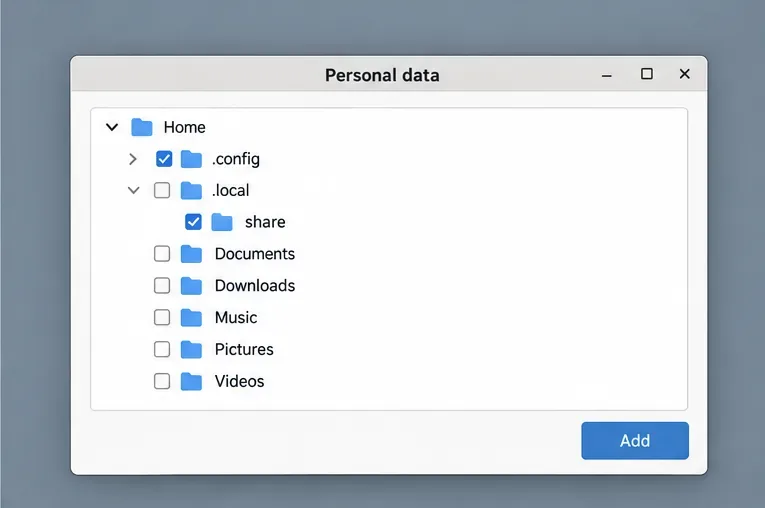
Save HamoniKR preferences to external storage, include hidden home folders, and choose a safe restore mode when moving to a fresh installation.
Imagine powering up your Windows 11 PC, only to be hit with the dreaded Memory Management Blue Screen of Death (BSOD). It's frustrating, right? 😩 This error crashes your system unexpectedly, disrupting work, gaming, or streaming sessions. But don't worry – you're not alone, and it's fixable! In this concise guide, we'll walk you through the most effective ways to fix Windows 11 "Memory Management" Blue Screen, using the latest methods to get your computer running smoothly again. By the end, you'll feel empowered to tackle this issue like a pro. Let's dive in!
The Memory Management BSOD in Windows 11 signals a problem with how your system handles RAM (Random Access Memory). It often stems from faulty drivers, corrupted files, hardware glitches, or even malware. Unlike minor glitches, this error can lead to data loss if ignored. The good news? Most cases are software-related and can be resolved without replacing hardware. According to Microsoft's official support pages, this error (stop code 0x1A) is one of the most common BSODs in recent Windows updates, but with targeted fixes, you can eliminate it for good.

Spotting the signs early – like random freezes or app crashes – can prevent full system halts. Ready to troubleshoot? We'll start with simple steps and escalate as needed, ensuring you stay engaged without overwhelming details.
We'll prioritize easy, no-cost solutions first. Follow these in order, testing your PC after each one. If you're new to this, take a deep breath – these steps are designed for beginners. 👍
Outdated software is a top culprit for Memory Management BSOD. Windows 11's latest patches often include memory-handling improvements.
Why this works: Recent updates in 2026 address memory leaks in core components. Restart your PC and check if the error persists. If not, great job – you've likely fixed it! 🎉
Windows 11 has a handy tool to scan for RAM issues without extra software.
If it detects errors, your RAM might need reseating or replacement. But for most users, this rules out hardware faults quickly. Pro tip: Run this in Safe Mode if the BSOD hits too often.
Corrupted files can trigger Memory Management errors. Use these command-line tools to repair them.
Open Command Prompt as Administrator (right-click Start > Terminal (Admin)) and run:
sfc /scannowThis scans and fixes protected files. Follow up with:
DISM /Online /Cleanup-Image /RestoreHealthRestart afterward. These commands are safe and have resolved the issue for countless users, as per community forums like Reddit's r/Windows11. If you're dealing with stubborn corruption, this step is a game-changer.
Malware can overload memory, mimicking hardware issues. Run a full scan with Windows Security (search for it in Start).
Feeling lighter already? Reducing background load prevents memory overflows, keeping your system stable longer.
If physical RAM is low, Windows uses virtual memory (pagefile). Misconfigured settings can cause BSODs.
This tweak is especially useful for laptops or systems with 8GB RAM or less running Windows 11.
If basics don't cut it, try the built-in BSOD troubleshooter: Settings > System > Troubleshoot > Other troubleshooters > Blue screen.
For hardware deep dives:
| Issue | Solution | Why It Helps |
|---|---|---|
| Faulty RAM | Reseat modules or test one stick at a time | Eliminates loose connections causing memory errors |
| Overheating | Clean dust from fans; use HWMonitor to check temps | High heat corrupts memory operations |
| Outdated BIOS | Update from motherboard maker's site | Improves RAM compatibility in Windows 11 |
Still stuck? Consider professional help, but these steps cover 90% of cases.
Fixing is great, but preventing is better! Keep your system updated, avoid sketchy downloads, and monitor RAM usage with Task Manager. For gamers, ensure your GPU drivers are current to dodge memory conflicts during intensive sessions.
For more in-depth reading, check Microsoft's guide on resolving BSOD errors. It's a reliable resource straight from the source.
Congratulations – you've now got the tools to conquer the Windows 11 "Memory Management" Blue Screen! Start with updates and diagnostics, and you'll likely see results fast. If this guide helped, share it with a friend facing the same issue. Your PC deserves to run flawlessly, and with these steps, it will. Got questions? Drop a comment below – happy computing! 👏
Save HamoniKR preferences to external storage, include hidden home folders, and choose a safe restore mode when moving to a fresh installation.
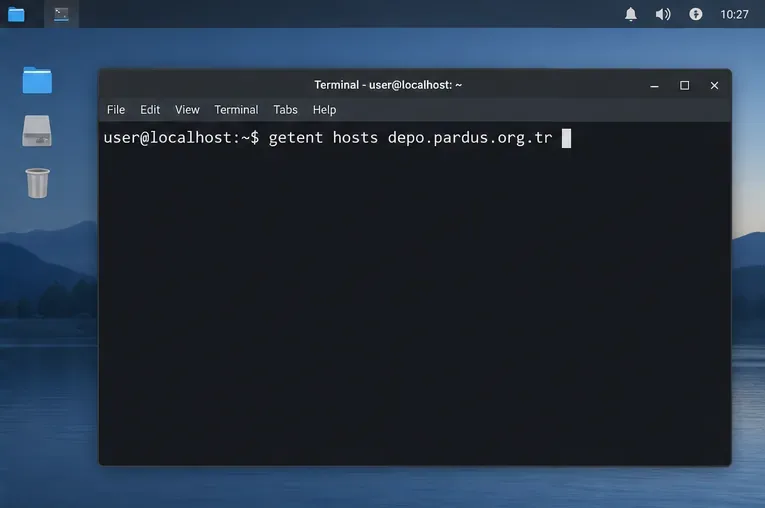
Install and configure xrdp on Pardus, choose the right Xfce session, restrict network access, and verify that remote login works.
Diagnose Pardus 23 APT connection failures, confirm the official yirmiuc sources, and restore apt update without bypassing package signature checks.
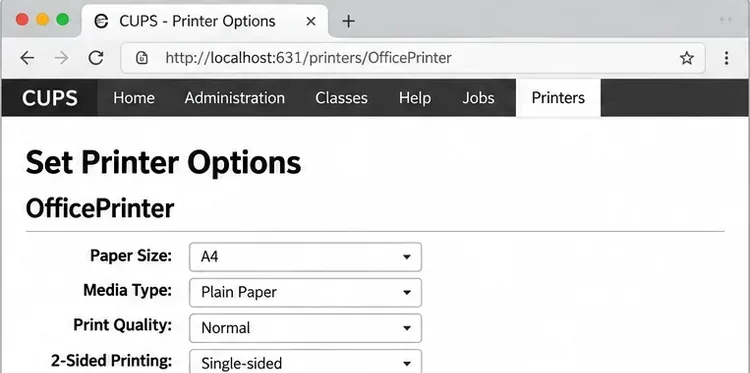
Configure printers on Harmonica OS using CUPS, compare driverless IPP with legacy drivers, and verify USB or network printing with a test page.
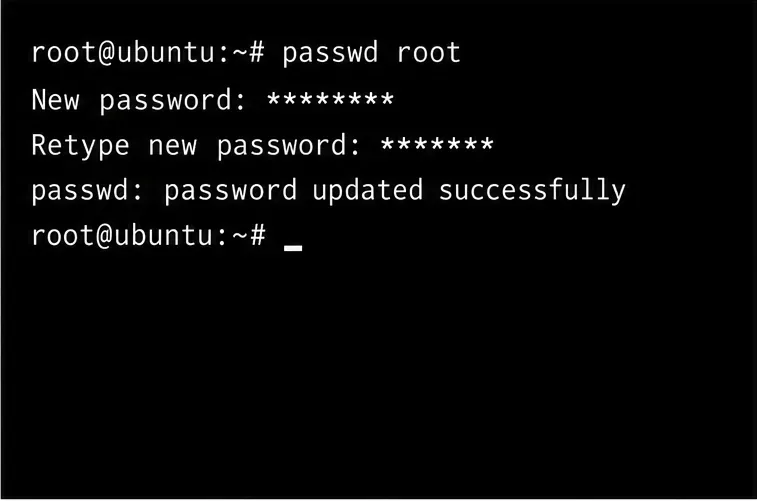
Use a recovery shell to set a new Harmonica OS root password, with checks for encrypted disks, read-only filesystems, and accounts that use sudo.
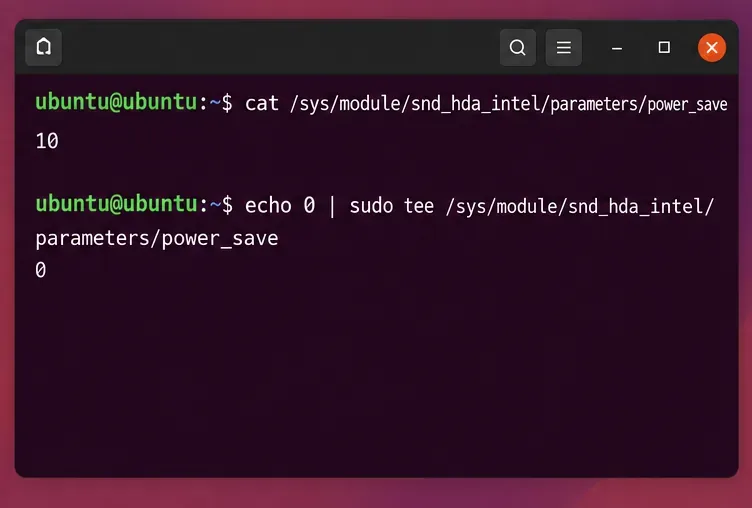
Trace whether clipping, ALSA format conversion, or HDA power saving is causing Ubuntu 24.04 audio distortion, then apply the matching reversible fix.
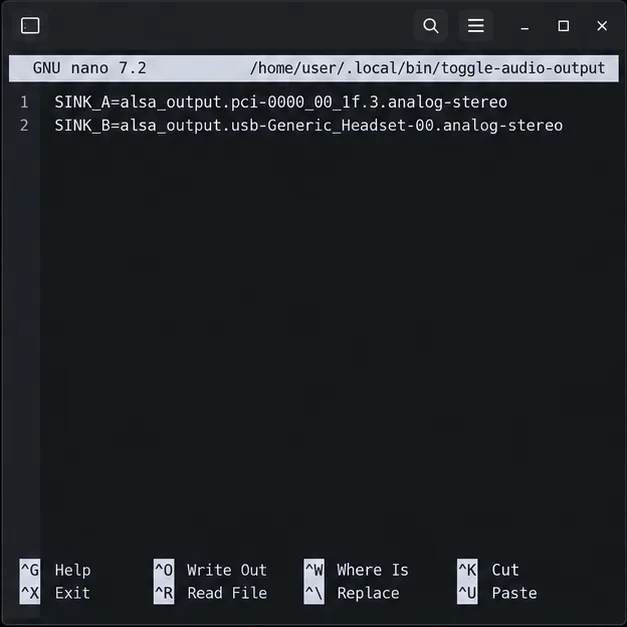
Switch Debian audio between named PipeWire outputs with a pactl script that updates the default sink and reroutes streams already playing.
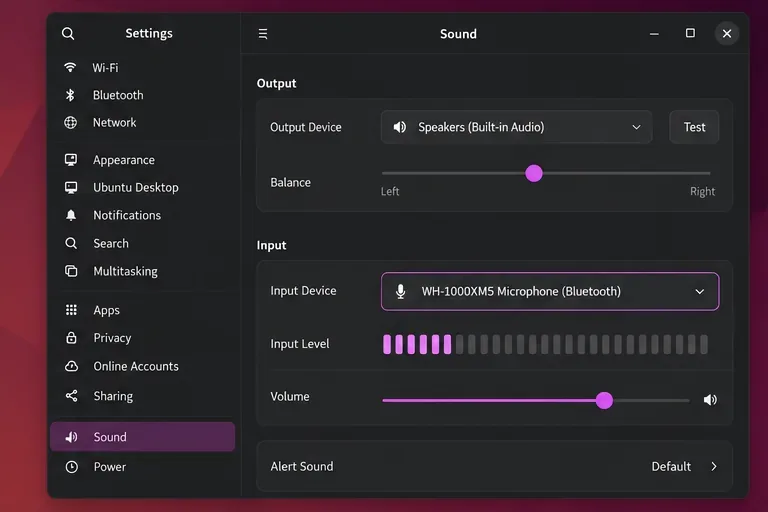
Get your Bluetooth headset mic working by selecting the right input, using a hands-free audio profile, and checking Ubuntu’s PipeWire route.
Learn why Flatpak apps may ignore Ubuntu 24.04 GTK themes and follow safe steps to check theme extensions, refresh Flatpak apps, and diagnose portal issues.
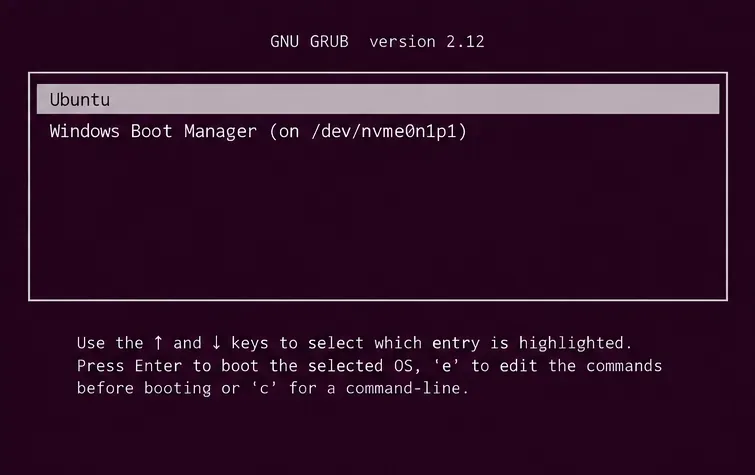
Install Ubuntu 24.04 alongside Windows 11 with BitLocker safely. Compare separate-drive and shared-drive paths, recovery keys, partitioning, and boot checks.