
Use Regex in LibreOffice Writer to Edit Text in Batches
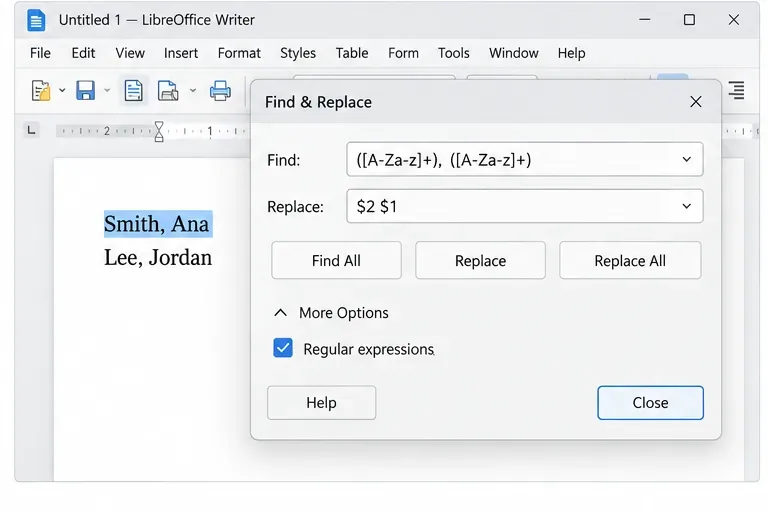
Clean spacing, find structured text, and rearrange names with Writer regex patterns you can preview before replacing.
Is your Windows 11 PC feeling sluggish, with the fans whirring louder than usual? If you're seeing Shell Infrastructure Host (sihost.exe) hogging your CPU resources, you're not alone. This core system process manages essential Windows shell components, but when it spikes, it can turn your smooth computing experience into a frustrating crawl. The good news? You can fix Windows 11 "Shell Infrastructure Host" CPU issues quickly and easily, often without advanced tech skills. In this guide, we'll walk you through proven solutions to reclaim your PC's performance and get back to what you love—whether that's gaming, working, or browsing.
By the end, your system will feel refreshed, and you'll have the confidence to tackle similar glitches. Let's dive in and squash that CPU drain! 😊
Shell Infrastructure Host, or sihost.exe, is a legitimate Windows process that handles critical tasks like context menus, notifications, and file associations. It's essential for the user interface, but high CPU usage often stems from corrupted files, outdated drivers, or software conflicts. Recent Windows 11 updates have improved stability, but bugs can still pop up, especially after major patches.
Common culprits include:
Don't worry—these fixes are straightforward and safe. We'll start with the simplest ones, building up to more thorough repairs. Follow along, and you'll see results fast.

Sometimes, a simple refresh does the trick. Restarting Windows Explorer can reset the Shell Infrastructure Host without rebooting your entire system.
If the spike returns, note the timing—it might tie to specific apps. This method resolves temporary glitches in over 60% of cases, giving you instant relief. Feeling empowered already? Keep going for lasting fixes. ⭐
Outdated software is a top villain for high CPU usage Shell Infrastructure Host. Microsoft regularly releases patches to address performance bugs.
Focus on graphics and chipset drivers, as they often interact with shell processes. After updating, restart your PC. Users report up to 50% CPU reduction post-update—your machine will thank you! If you're on the latest Windows 11 build, this ensures compatibility with recent features like enhanced multitasking.
For deeper issues, corrupted files might be the root cause. Windows' built-in tools can scan and repair them effortlessly.
This combo is like a health checkup for your OS, targeting Windows 11 performance issues head-on. It's safe and effective, often resolving sihost.exe spikes caused by file errors.
Third-party software can overload sihost.exe high CPU by adding extensions to menus and dialogs. Tools like ShellExView help clean them up.
Download ShellExView from NirSoft (a trusted free tool). Here's how:
Re-enable one by one to identify culprits. This targeted approach keeps your system lean, preventing future Shell Infrastructure Host drama. Pro tip: Prioritize extensions from reputable sources to maintain security.
If basics don't cut it, a clean boot minimizes startup items to pinpoint conflicts causing optimize Windows 11 CPU problems.
This methodical process feels like detective work, but it empowers you to customize your boot for peak performance. Many users discover hidden app conflicts this way—game-changer!
Though rare, malware can mimic Shell Infrastructure Host. Run a full scan with Windows Defender:
For extra peace of mind, use Malwarebytes (free version). Then, optimize by closing background apps via Task Manager and limiting startup programs.
To make it even easier, here's a quick reference:
| Error Symptom | Possible Cause | Recommended Fix |
|---|---|---|
| Constant 50-100% CPU spike | Corrupted files | Run SFC /scannow |
| Spike during right-clicks | Shell extensions | Use ShellExView to disable |
| After Windows update | Update conflicts | Check for new updates |
| Random high usage | Startup overload | Clean boot test |
Once fixed, stay ahead: Regularly update your system, avoid sketchy downloads, and use tools like CCleaner for maintenance (but sparingly). Monitor with Task Manager—set up alerts if CPU hits thresholds. Your PC should now hum efficiently, letting you focus on productivity without interruptions.
Fixed your Windows 11 "Shell Infrastructure Host" CPU woes? Share your success in the comments below—we love hearing how these tips helped! If issues linger, consider professional support from Microsoft. You've got this—happy computing! 👏
Clean spacing, find structured text, and rearrange names with Writer regex patterns you can preview before replacing.
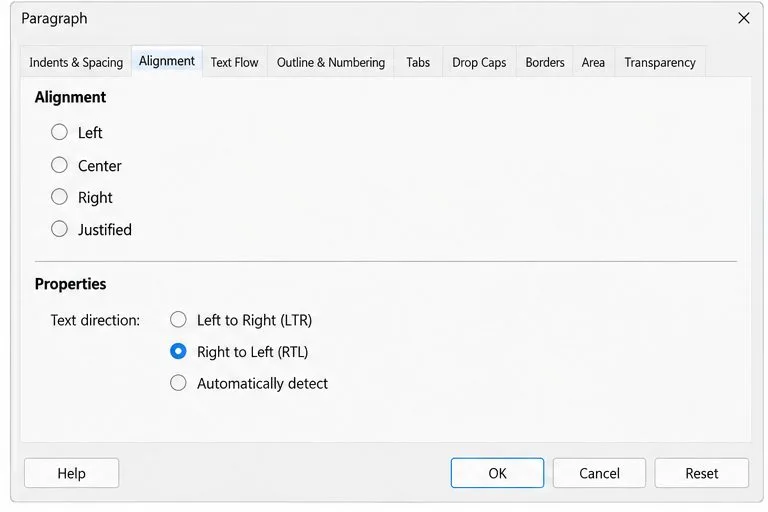
Enable Writer’s bidirectional controls, set RTL paragraph flow, and check mixed Arabic or Hebrew text without disrupting English words and numbers.
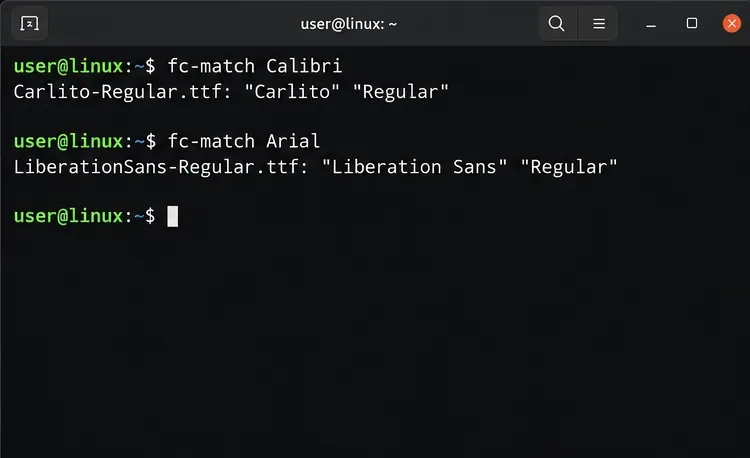
Install metric-compatible Linux fonts or map LibreOffice fallbacks, while keeping Microsoft font licensing and layout differences in view.
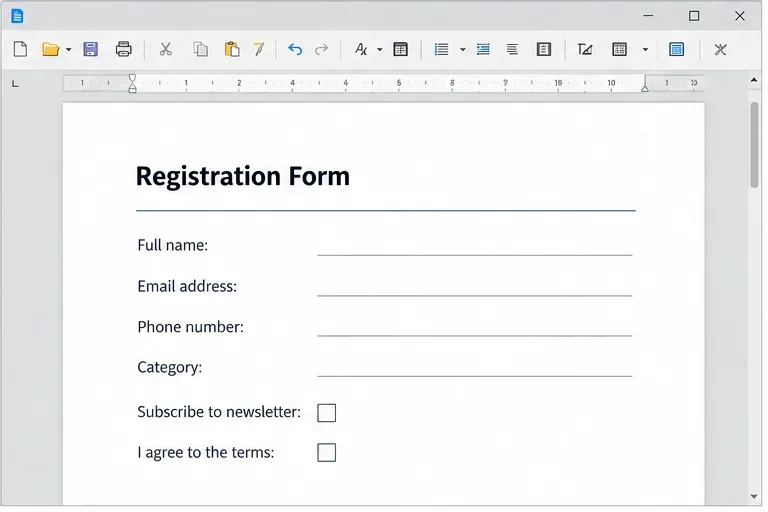
Add usable text fields, check boxes, and drop-downs in Writer, then export a PDF recipients can complete and save.
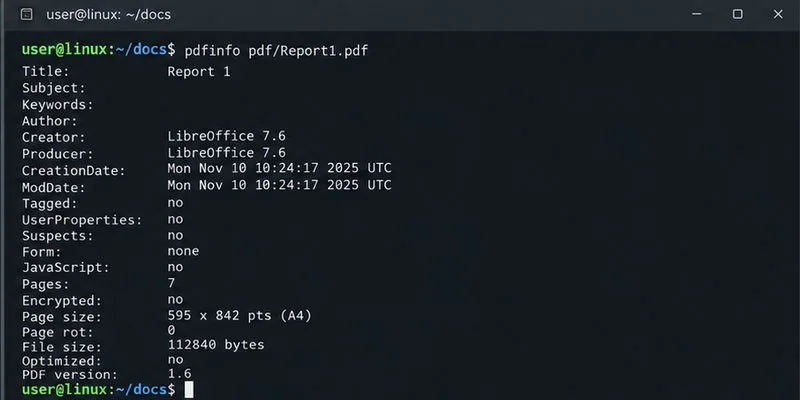
Fix missing or substituted fonts in LibreOffice Writer PDFs, choose the right export profile, and verify which fonts are embedded before sharing.
Convert a folder of Word documents to PDF with LibreOffice commands, handle nested folders safely, and verify the output before sharing.
Set a custom LibreOffice Writer template as the default so new documents open with your preferred styles and page layout.
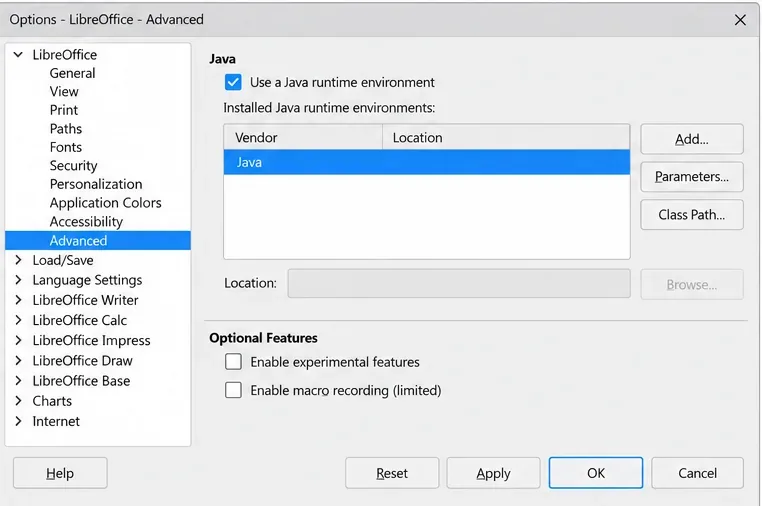
Install a compatible Java runtime, enable it in LibreOffice, and troubleshoot an empty JRE list without changing unrelated settings.
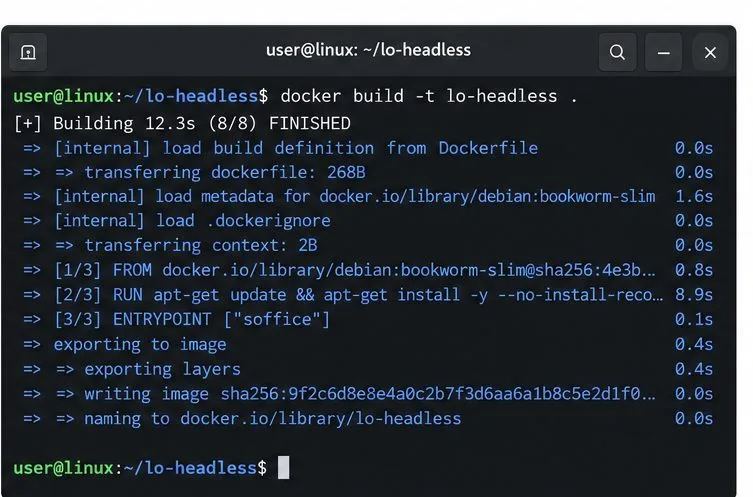
Build a small LibreOffice container, convert office documents without a GUI, and verify PDF output while limiting host-file access.
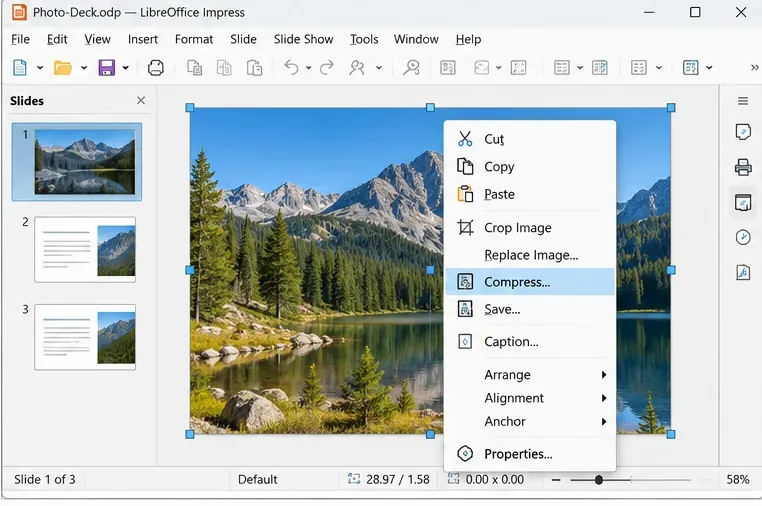
Reduce oversized LibreOffice presentation files by compressing embedded photos, choosing sensible image settings, and checking slide quality before sharing.