Make Every New Writer Document Use Your Template
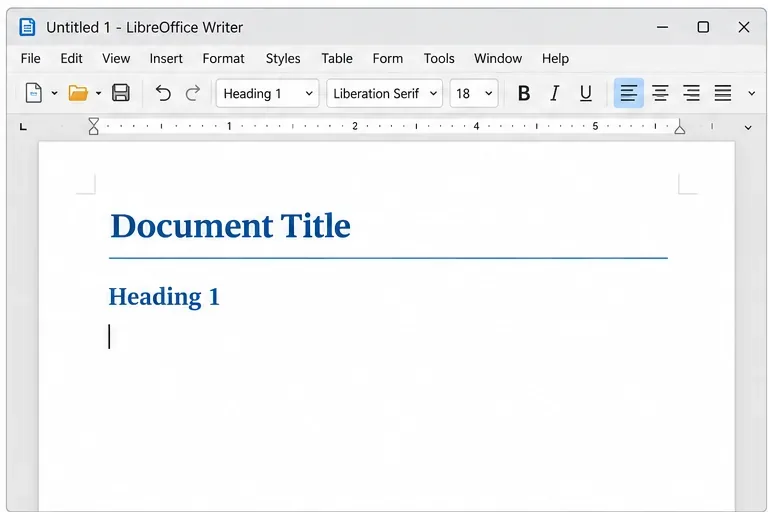
Set a custom LibreOffice Writer template as the default so new documents open with your preferred styles and page layout.
Imagine this: Your Windows 11 PC starts acting up, and you turn to System Restore for a quick save. But instead of relief, you hit a wall with Error 0x80070005 – the dreaded "Access Denied" message. 😩 Don't worry; you're not alone. This common hiccup often stems from permission issues, corrupted files, or antivirus interference. The good news? It's fixable with straightforward steps that anyone can follow. In this guide, we'll walk you through proven methods to banish Windows 11 System Restore Error 0x80070005 for good, getting your system back on track without the frustration.
We'll keep things focused and actionable, starting with the basics and escalating to advanced tweaks. By the end, you'll have a stable PC and the confidence to handle similar issues. Let's dive in! 🌟
Before we fix it, understanding the "why" empowers you. Error 0x80070005 typically signals that System Restore can't access necessary files due to:
Spotting these early can prevent bigger headaches. If you've seen messages like "System Restore failed to extract the file" or "Access is denied," it's time to act. Ready to reclaim control? Here's how.

We'll prioritize simple, no-risk methods first. Follow along sequentially – most users resolve it by step 3. 👆 Pro tip: Create a system backup before starting, just in case.
The quickest win? Elevate privileges. Many Error 0x80070005 cases vanish when you bypass standard user limits.
This often resolves permission denials instantly. If it works, you're done – celebrate! 🎉 But if the error persists, move to the next step for deeper fixes.
Security tools are great, but they can block System Restore from touching critical files. Let's pause them safely.
For third-party antivirus like Norton or McAfee, check their interface for a "pause" option (usually 15-30 minutes). Retry System Restore now. Success? Re-enable protection immediately to stay safe. Still stuck? Security isn't the culprit – let's check files next.
Corrupted files are a prime suspect for Windows 11 System Restore Error 0x80070005. Use built-in tools to scan and fix them. This method is like a health check for your OS.
First, open Command Prompt as admin: Windows key + S, type "cmd," right-click, and select "Run as administrator".
| Command | What It Does | Expected Output |
|---|---|---|
| sfc /scannow | Scans and repairs protected system files. | "Windows Resource Protection found corrupt files and successfully repaired them." |
| DISM /Online /Cleanup-Image /RestoreHealth | Repairs the Windows image if SFC fails. | "The restore operation completed successfully." |
| sfc /scannow (run again) | Final verification post-DISM. | No integrity violations. |
Restart your PC after running these, then attempt System Restore again. This combo fixes most file-related errors. Feeling optimistic? You're on the right path!
If permissions are deeply locked, manually reclaim access to key directories like C:\Windows\System32\config. Proceed with caution – this is for advanced users.
Test System Restore. This step shines when errors point to specific access denials. If you're uncomfortable, skip to the next option or seek pro help.
System Restore needs at least 300MB free on your system drive. Low space? Clean up!
With space freed and protection active, retry the restore. This often overlooked fix can be a game-changer. 👍
If basics fail, boot into Safe Mode (hold Shift during restart > Troubleshoot > Advanced options > Startup Settings > Restart > Option 4). Run System Restore there – minimal drivers reduce interference.
For permission resets, use Command Prompt (admin): icacls C:\Windows\System32 /reset /T. This restores defaults. Always back up first!
For the latest troubleshooting, Microsoft recommends checking their support pages. Learn more at Microsoft Support.
Fixed it? Awesome! To avoid repeats:
Staying proactive means fewer surprises. If errors persist post-fixes, consider a clean install or professional diagnostics – but most cases resolve here.
Congrats on tackling Windows 11 System Restore Error 0x80070005! With these steps, you've not only fixed your PC but gained skills for future wins. If one method clicked for you, share in the comments below – your story could help others. Need more Windows 11 tips? Stick around for guides on optimization and security. Your smooth-running system awaits! 🚀
Set a custom LibreOffice Writer template as the default so new documents open with your preferred styles and page layout.
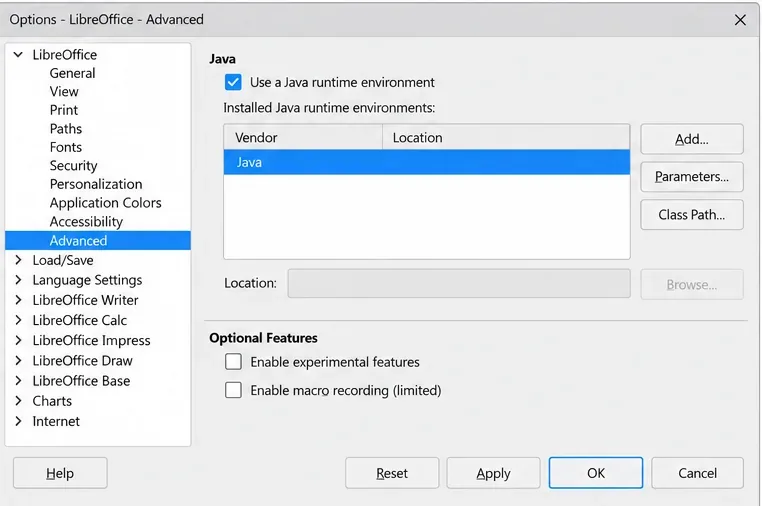
Install a compatible Java runtime, enable it in LibreOffice, and troubleshoot an empty JRE list without changing unrelated settings.
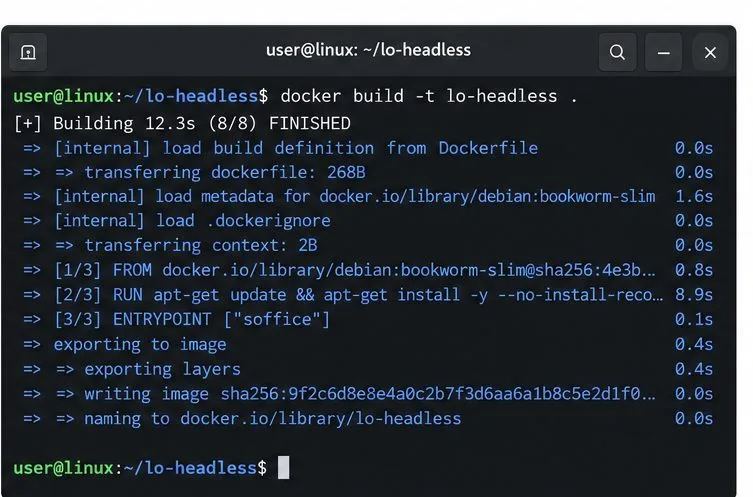
Build a small LibreOffice container, convert office documents without a GUI, and verify PDF output while limiting host-file access.
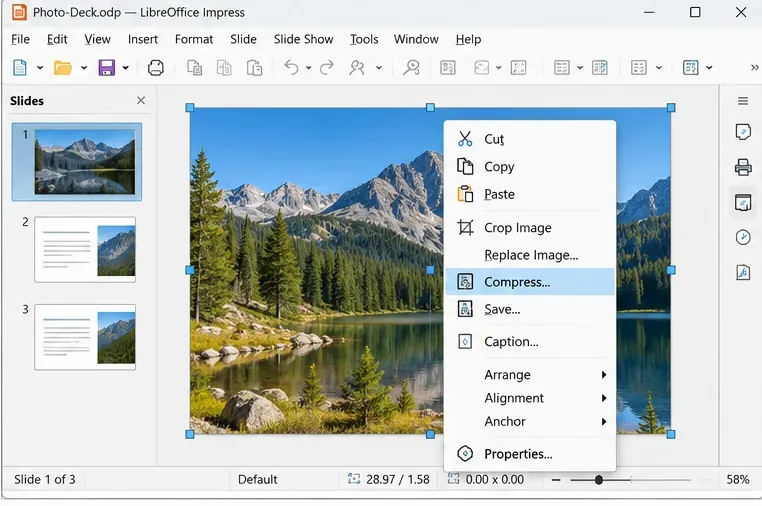
Reduce oversized LibreOffice presentation files by compressing embedded photos, choosing sensible image settings, and checking slide quality before sharing.
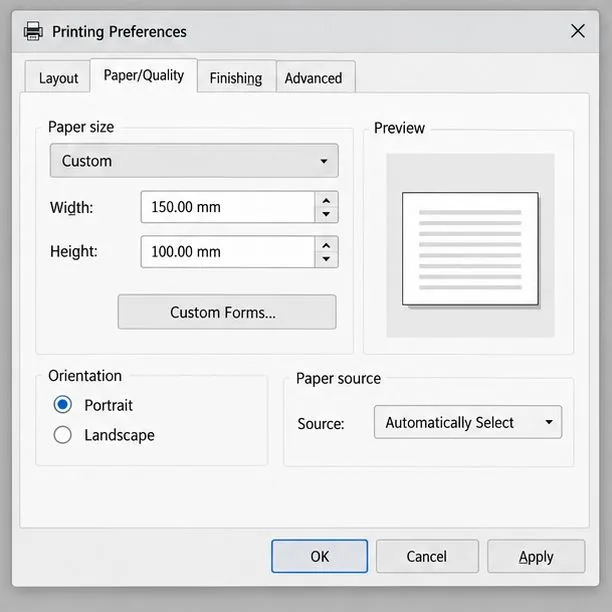
Match LibreOffice’s page dimensions to your printer, check printable margins, and correct scaling before printing a custom-size document.
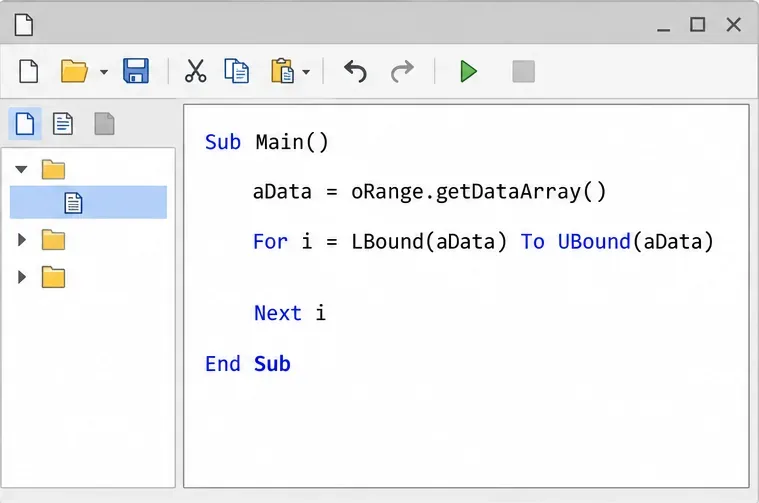
Replace repeated cell access with bulk range reads and writes, then benchmark the result and protect formulas in large Calc workbooks.
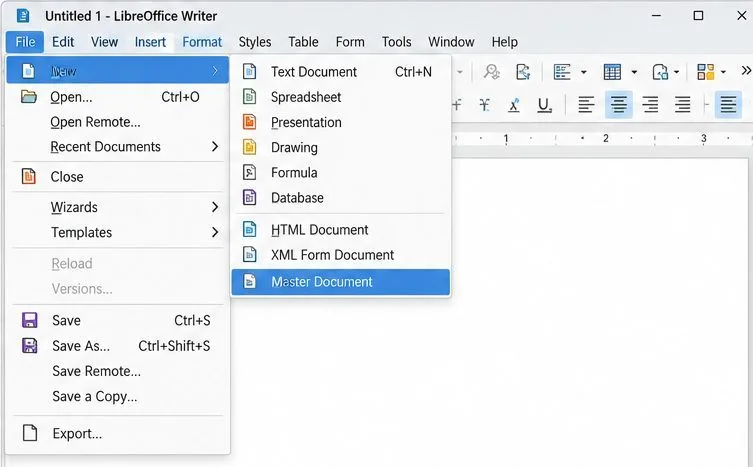
Split a long manuscript into chapters, assemble them in Writer, and keep styles, contents, and export checks consistent.
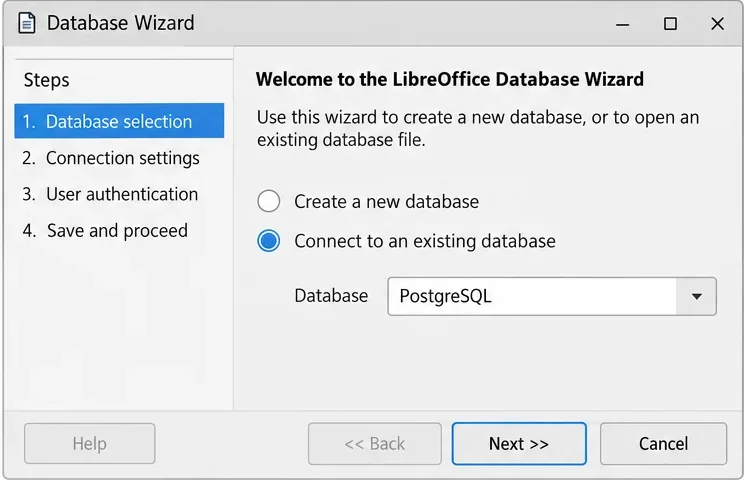
Use Base’s direct PostgreSQL option to enter your server details, sign in, save an ODB connection file, and troubleshoot common access errors.
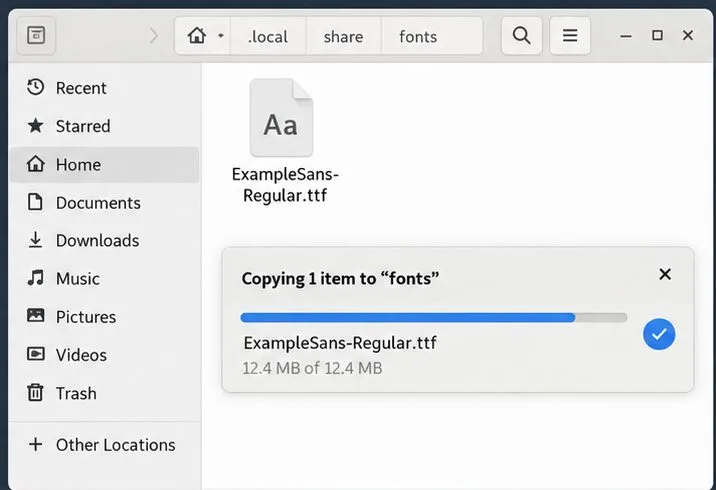
Install a font in your Linux user font folder, restart LibreOffice Flatpak, and confirm it appears in Writer without weakening the app sandbox.
Protect your work and isolate network-drive save crashes in LibreOffice on macOS Sonoma with a local-first workflow, permission checks, and targeted tests.