Back Up and Restore HamoniKR Settings Without Missing Hidden Files
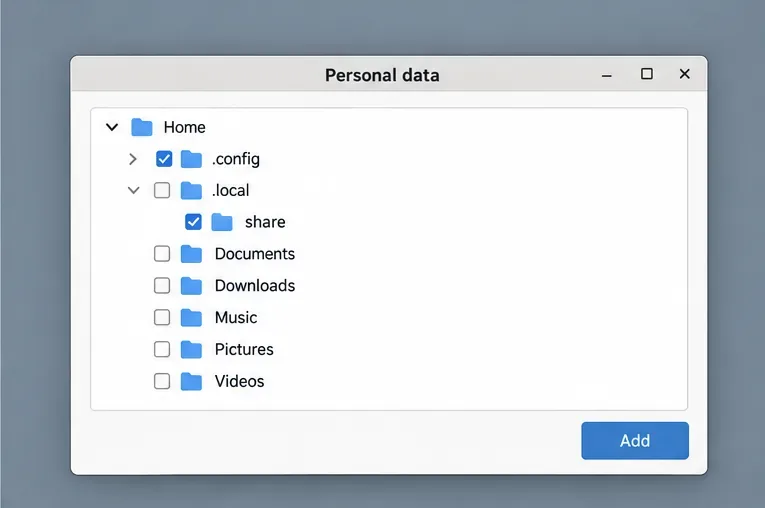
Save HamoniKR preferences to external storage, include hidden home folders, and choose a safe restore mode when moving to a fresh installation.
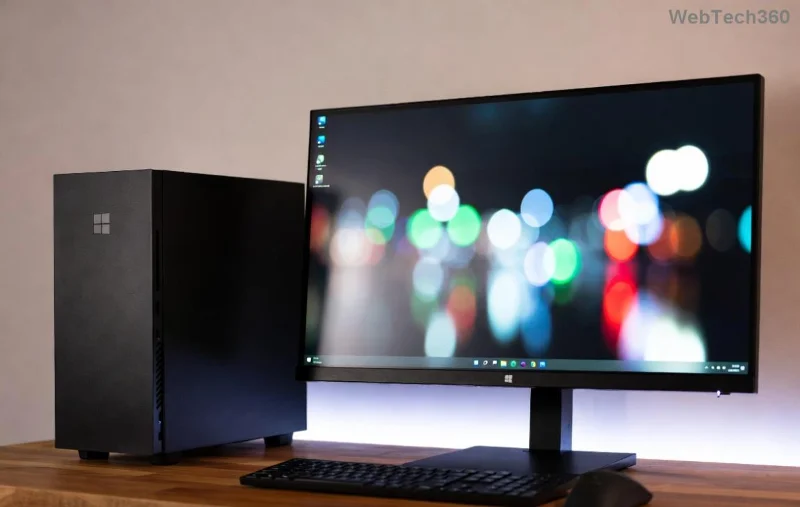
🚀 Excited about adding more storage to your Windows 11 PC? Initializing a new disk as GPT is your gateway to modern, efficient partitioning that supports massive drives and UEFI booting. Whether you're installing a shiny new SSD or expanding your HDD setup, this guide will walk you through the process with crystal-clear steps. No tech jargon overload—just practical advice to get you up and running smoothly. Let's dive in and transform that raw disk into usable space!
Before we jump into the how-to, let's quickly cover the why. GPT, or GUID Partition Table, is the modern standard for disk partitioning, especially in Windows 11. Unlike the older MBR (Master Boot Record), GPT handles drives larger than 2TB effortlessly and offers better data recovery options. It's essential for UEFI systems, which Windows 11 relies on for faster boot times and enhanced security.
Imagine effortlessly managing terabytes of data without compatibility headaches—that's the GPT advantage. If your new disk is for bootable OS installs or high-capacity storage, initialize new disk as GPT is a no-brainer. Ready to proceed? Follow these steps in Disk Management, Windows 11's built-in powerhouse for storage tasks.
We'll use the native Disk Management tool—no downloads needed. This method is safe, quick, and perfect for most users. Ensure your new disk is properly connected (via SATA, NVMe, or USB) and powered on. Windows 11 should detect it automatically upon boot.
That's it—your new disk as GPT in Windows 11 is initialized and partitioned. This process typically takes under 5 minutes, leaving you with a robust storage solution. Feeling empowered? Keep reading for pro tips to optimize further.
Even pros hit snags sometimes. Here's a quick troubleshooting table to keep things hassle-free:
| Issue | Solution |
|---|---|
| Disk not detected | Check connections; restart PC. Use Device Manager (search for it) to scan for hardware changes. |
| "Initialize Disk" grayed out | Ensure the disk is offline—right-click and select "Online". Run as admin if needed. |
| GPT vs. MBR confusion | Stick to GPT for modern setups. MBR is legacy; avoid it unless you have ancient hardware. |
| Slow formatting | Opt for quick format in the wizard. Full format only if the drive has errors (use CHKDSK later). |
If issues persist, Windows 11's built-in tools like CHKDSK (run via Command Prompt: chkdsk /f X:) can diagnose problems. For deeper dives, Microsoft recommends checking their official support pages.
Now that basics are covered, level up your setup. For SSDs, enable TRIM in Command Prompt (admin mode): fsutil behavior set DisableDeleteNotify 0. This keeps performance snappy over time.
Want to shrink or extend volumes later? Right-click in Disk Management and use those options—GPT makes resizing a breeze without data loss. For multi-boot setups, tools like EasyBCD can help manage GPT partitions seamlessly.
Pro tip: Always back up data before major changes. Tools like Windows Backup or third-party options (e.g., Macrium Reflect) ensure peace of mind. As you explore more storage tweaks, remember: a well-initialized GPT disk boosts your PC's efficiency, letting you focus on what matters—your projects and files.
Congrats on mastering how to initialize a new disk as GPT in Windows 11! This simple yet powerful step opens doors to faster, more reliable storage. Whether you're a gamer needing space for epic libraries or a creator hoarding media, GPT has you covered. Got questions or tweaks? Drop a comment below—we're here to help. What's next for your setup? Dive into our guides on SSD cloning or RAID configurations to keep the momentum going! 👏
For official verification, check Microsoft's documentation on Disk Management.
Save HamoniKR preferences to external storage, include hidden home folders, and choose a safe restore mode when moving to a fresh installation.
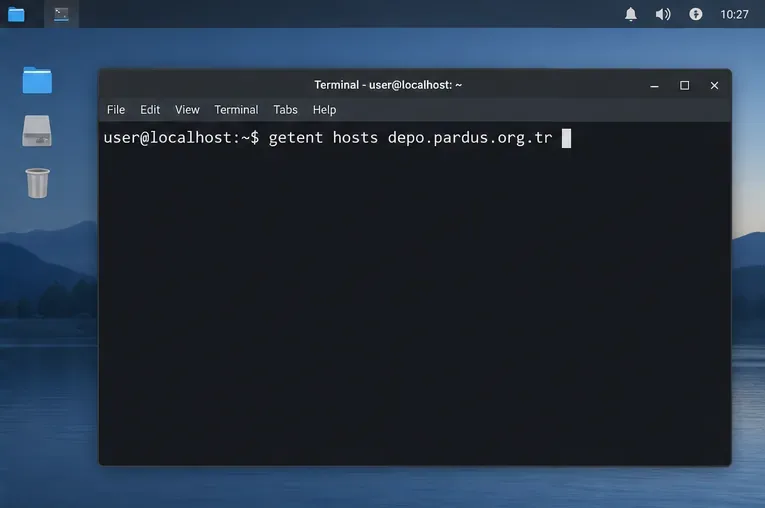
Install and configure xrdp on Pardus, choose the right Xfce session, restrict network access, and verify that remote login works.
Diagnose Pardus 23 APT connection failures, confirm the official yirmiuc sources, and restore apt update without bypassing package signature checks.
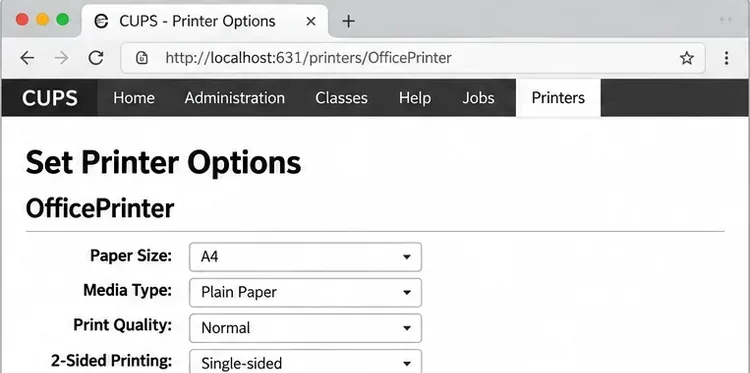
Configure printers on Harmonica OS using CUPS, compare driverless IPP with legacy drivers, and verify USB or network printing with a test page.
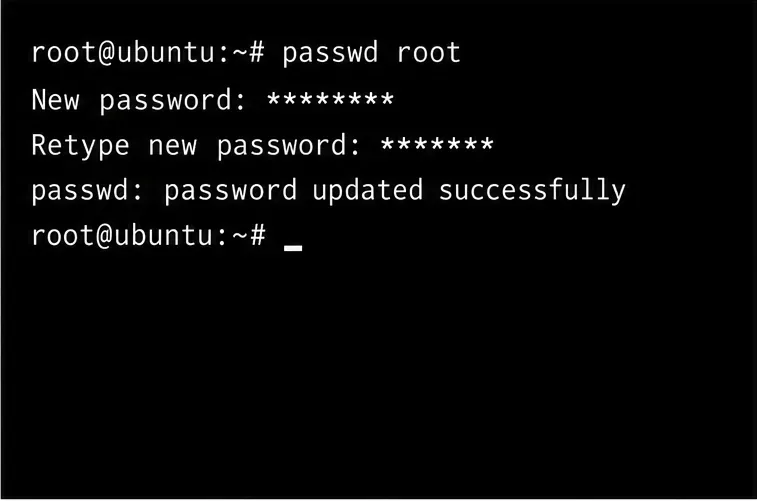
Use a recovery shell to set a new Harmonica OS root password, with checks for encrypted disks, read-only filesystems, and accounts that use sudo.
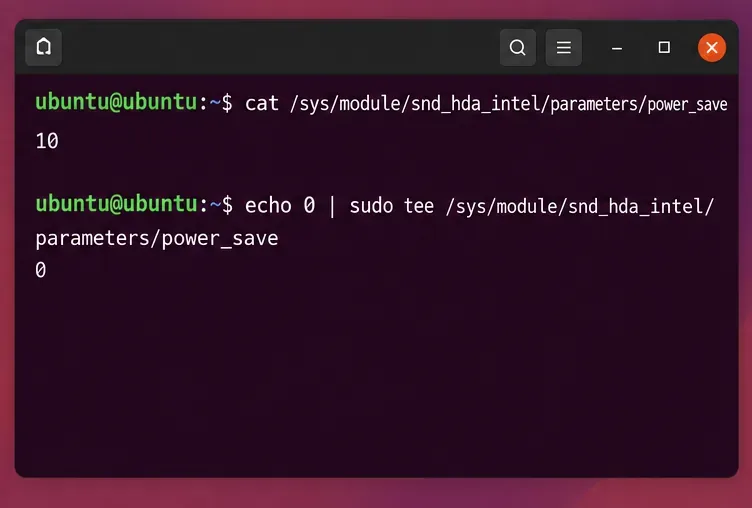
Trace whether clipping, ALSA format conversion, or HDA power saving is causing Ubuntu 24.04 audio distortion, then apply the matching reversible fix.
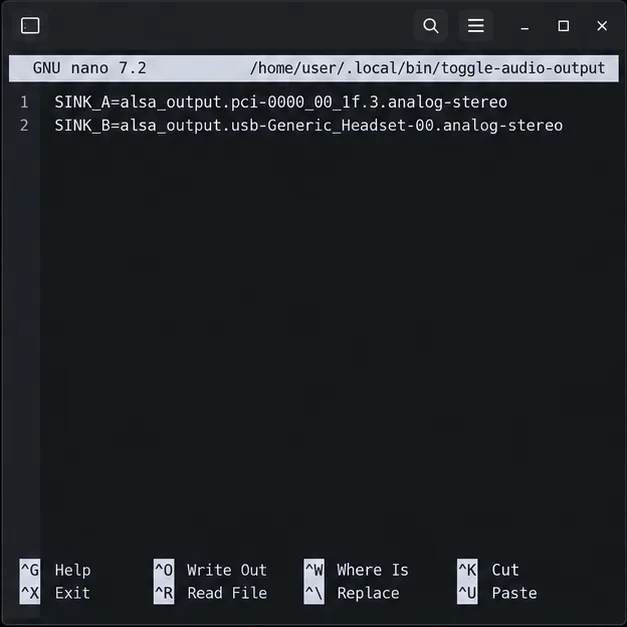
Switch Debian audio between named PipeWire outputs with a pactl script that updates the default sink and reroutes streams already playing.
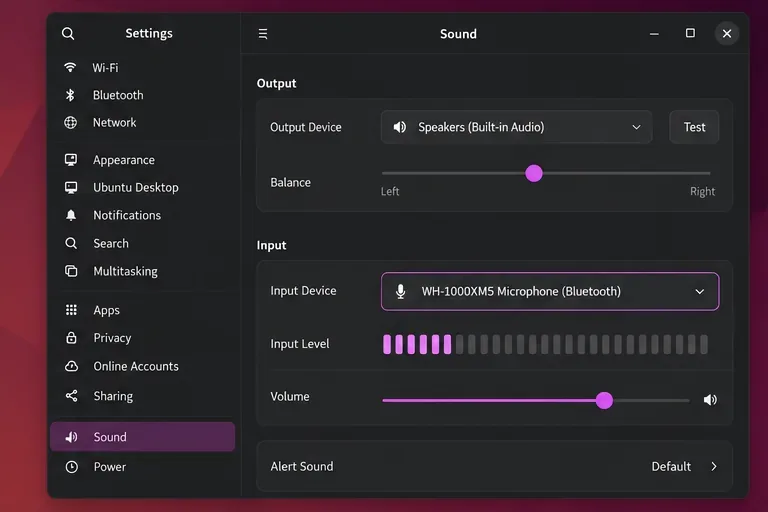
Get your Bluetooth headset mic working by selecting the right input, using a hands-free audio profile, and checking Ubuntu’s PipeWire route.
Learn why Flatpak apps may ignore Ubuntu 24.04 GTK themes and follow safe steps to check theme extensions, refresh Flatpak apps, and diagnose portal issues.
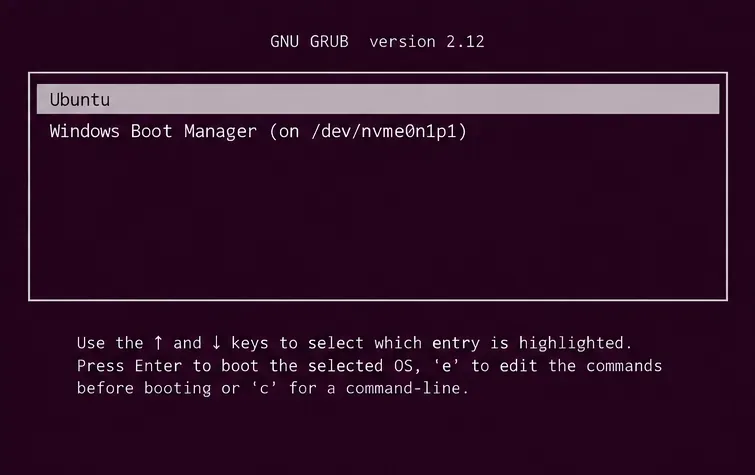
Install Ubuntu 24.04 alongside Windows 11 with BitLocker safely. Compare separate-drive and shared-drive paths, recovery keys, partitioning, and boot checks.