Make Every New Writer Document Use Your Template
Set a custom LibreOffice Writer template as the default so new documents open with your preferred styles and page layout.
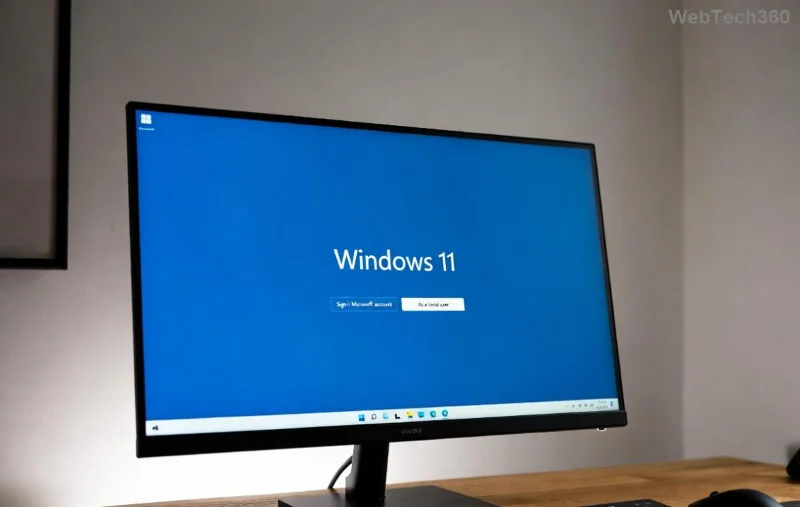
Imagine inviting friends over or letting kids borrow your PC without worrying about them accidentally deleting files or installing risky software. That's the beauty of a Windows 11 guest account—it provides limited access while keeping your main profile secure. In this guide, we'll walk you through how to setup Windows 11 guest account the right way, ensuring everything runs smoothly and safely. Whether you're a parent, a shared household user, or just want to demo your system, these steps will empower you to share confidently. Let's dive in and make your Windows 11 experience even better! 🚀
Microsoft designed Windows 11 with security in mind, but the traditional guest account feature from older versions isn't enabled by default. Instead, you can create a standard user account with guest-like restrictions. This setup prevents access to sensitive areas like your documents, settings, or admin tools. It's ideal for:
By the end of this article, you'll have a fully functional Windows 11 guest account up and running. Plus, we'll cover tips to troubleshoot common issues, so you stay frustration-free. Ready to get started?
Before we jump into the steps, ensure you're logged in as an administrator—only admins can create new accounts. If you're not sure, right-click the Start button and select Settings > Accounts > Your info. Look for "Administrator" under your name. You'll also need an internet connection for any updates.
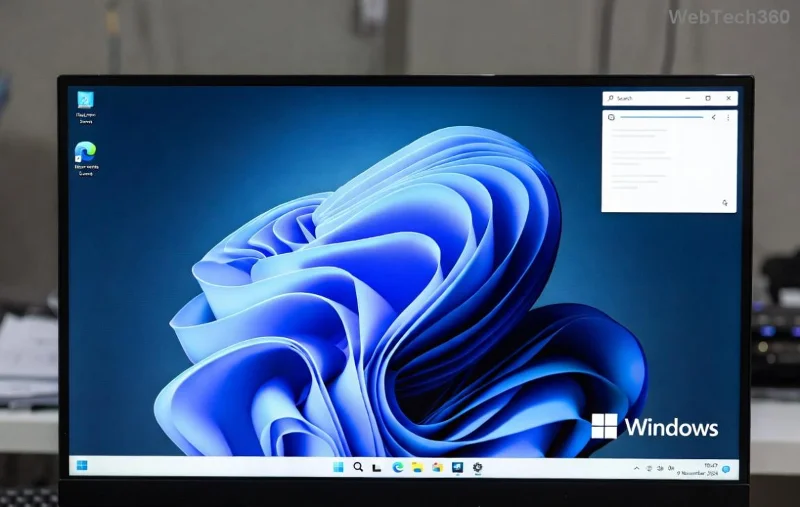
Pro tip: Update Windows 11 to the latest version via Settings > Windows Update to avoid compatibility glitches. This keeps your system secure and ensures smooth account creation.
Follow these precise steps to create guest account Windows 11. We'll use the built-in tools—no third-party software needed. This method creates a standard user account with guest restrictions, mimicking the classic guest mode.
Click the Start button (Windows icon) and select Settings—or press Windows key + I for a shortcut. In the Settings window, go to Accounts on the left sidebar. This is your gateway to managing users. Feel the excitement building? You're just a few clicks away from secure sharing! 😊
Under Accounts, click Family & other users (or simply "Other users" in some builds). Here, you'll see options to add or manage accounts. Select Add account to begin creating your Windows 11 guest account.
If prompted for a Microsoft account, choose I don't have this person's sign-in information, then Add a user without a Microsoft account. This keeps it local and simple for guest use.
Enter a username like "Guest" or "Visitor" for easy recognition. Skip the password if it's truly temporary—leave both fields blank and confirm. Windows will warn about security risks, but for a guest setup, it's often fine. Click Next to finalize.
Your new account appears in the list. To make it guest-like, proceed to the next step for restrictions.
Click on the new account and select Change account type. Choose Standard User from the dropdown—this limits it to basic functions without admin rights. No more worries about unauthorized changes! Confirm and you're set.
For extra control, use Family Safety features. Go back to Family & other users and add the guest to your family group. From there, set screen time limits, app restrictions, or block Microsoft Store purchases. This turns your standard account into a true guest account in Windows 11.
To enable guest account in Windows 11 fully, you can also edit the registry (advanced users only):
HKEY_LOCAL_MACHINE\SOFTWARE\Microsoft\Windows NT\CurrentVersion\Winlogon\SpecialAccounts\UserList.⚠️ Warning: Registry edits can cause issues if done wrong—back up first via Settings > Update & Security > Recovery.
Log out of your main account (Start > your profile > Sign out) and select the guest account at login. Try opening Settings—you'll notice limited options, like no access to advanced system tweaks. Browse the web, play media, or run apps? All good. Attempt admin tasks? Denied! This confirms your setup Windows 11 guest account worked perfectly.
Switch back easily by logging out and selecting your admin profile. Seamless, right? Now, let's tackle potential hiccups.
Running into snags? Here's a quick troubleshooting table for Windows 11 guest account setup woes:
| Issue | Solution |
|---|---|
| "Access Denied" during creation | Ensure you're an admin. Run Settings as administrator by right-clicking the app. |
| Guest account disappears after restart | Check Group Policy: Press Windows + R, type gpedit.msc, go to Computer Configuration > Administrative Templates > System > Logon, and enable "Hide entry points for Fast User Switching." |
| Limited apps not restricting properly | Use Microsoft Family Safety app from the Store for granular controls. Download it here. |
| Performance lag in guest mode | Clear temporary files: In guest account, search for Disk Cleanup and run it. |
These fixes should resolve 90% of problems. If issues persist, Microsoft's support forums are a goldmine—search for your error there.
To keep things running smoothly:
By following these, your Windows 11 guest account becomes a reliable tool, not a liability. Imagine the peace of mind—sharing without stress!
While a guest account is great, pair it with Windows Hello for biometric logins on your main profile. Enable BitLocker for full-disk encryption via Settings > Privacy & security > Device encryption. For more tips, explore Microsoft's official guide on managing Windows accounts.
Setting up a guest account in Windows 11 isn't just technical—it's about fostering trust in shared spaces. You've got this! If you found this helpful, try implementing one tip today and see the difference. What's your favorite way to share your PC? Drop a thought below—we'd love to hear. 👏
Set a custom LibreOffice Writer template as the default so new documents open with your preferred styles and page layout.
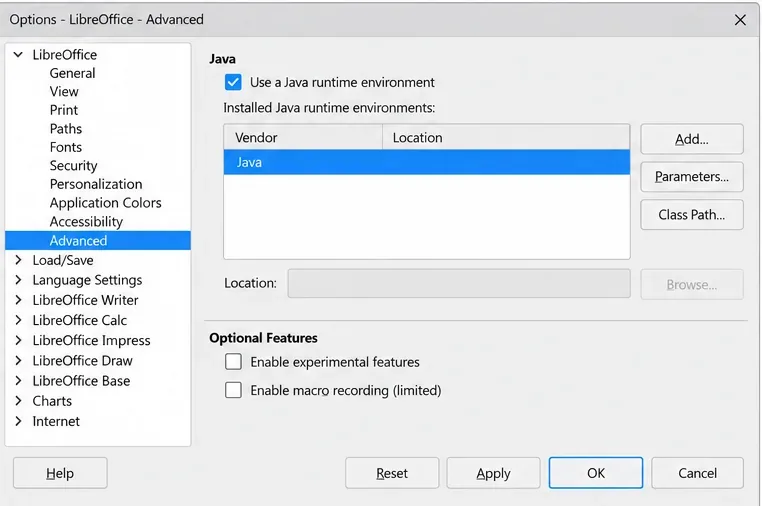
Install a compatible Java runtime, enable it in LibreOffice, and troubleshoot an empty JRE list without changing unrelated settings.
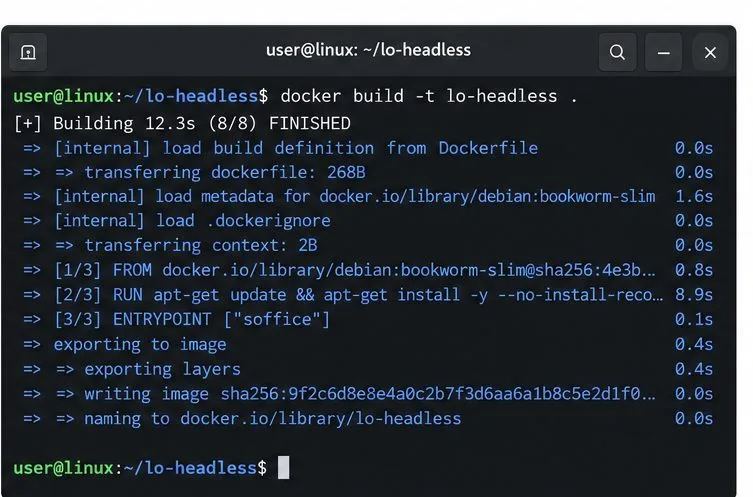
Build a small LibreOffice container, convert office documents without a GUI, and verify PDF output while limiting host-file access.
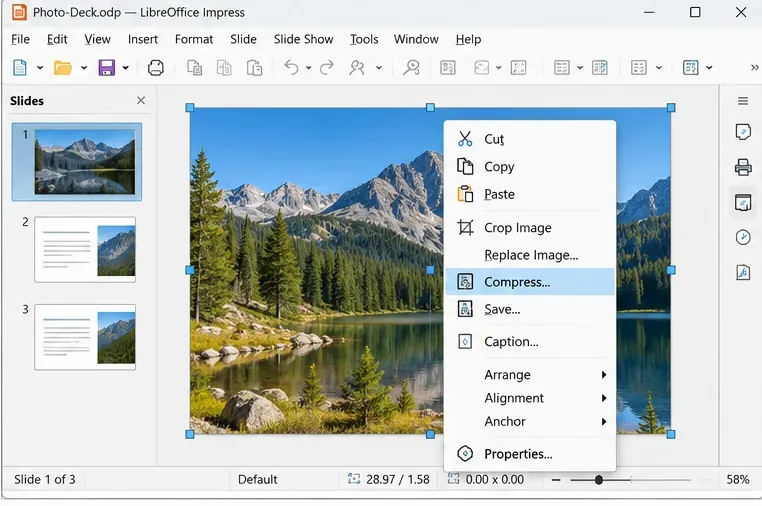
Reduce oversized LibreOffice presentation files by compressing embedded photos, choosing sensible image settings, and checking slide quality before sharing.
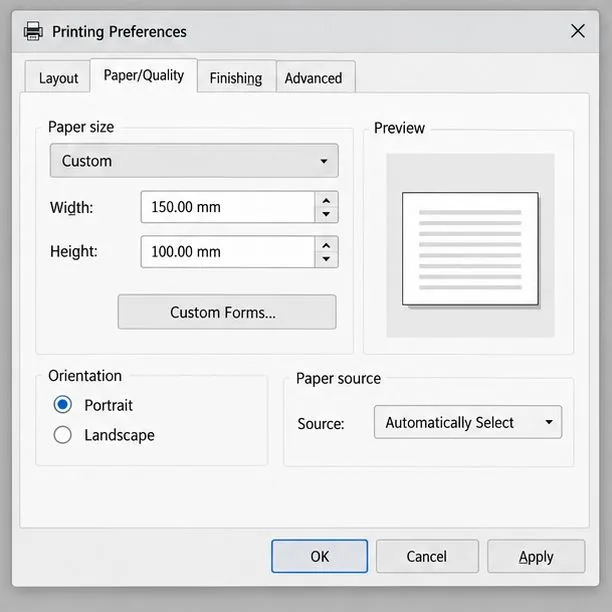
Match LibreOffice’s page dimensions to your printer, check printable margins, and correct scaling before printing a custom-size document.
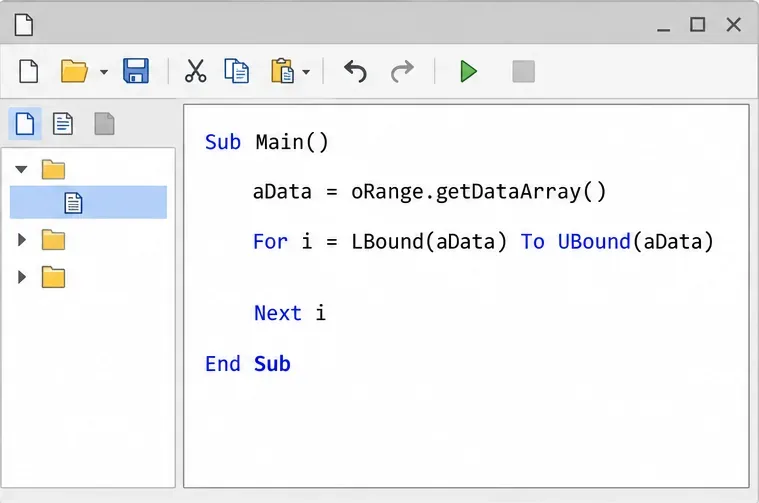
Replace repeated cell access with bulk range reads and writes, then benchmark the result and protect formulas in large Calc workbooks.
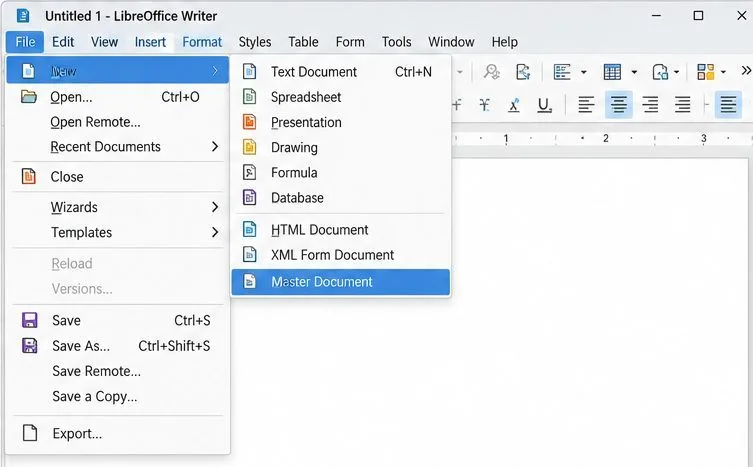
Split a long manuscript into chapters, assemble them in Writer, and keep styles, contents, and export checks consistent.
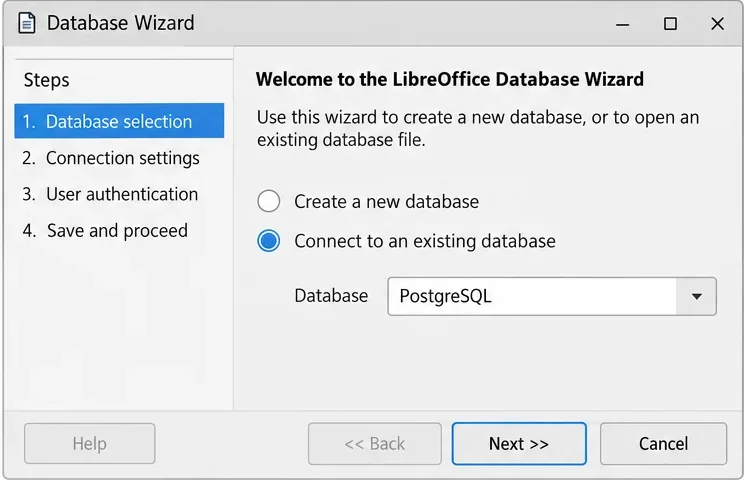
Use Base’s direct PostgreSQL option to enter your server details, sign in, save an ODB connection file, and troubleshoot common access errors.
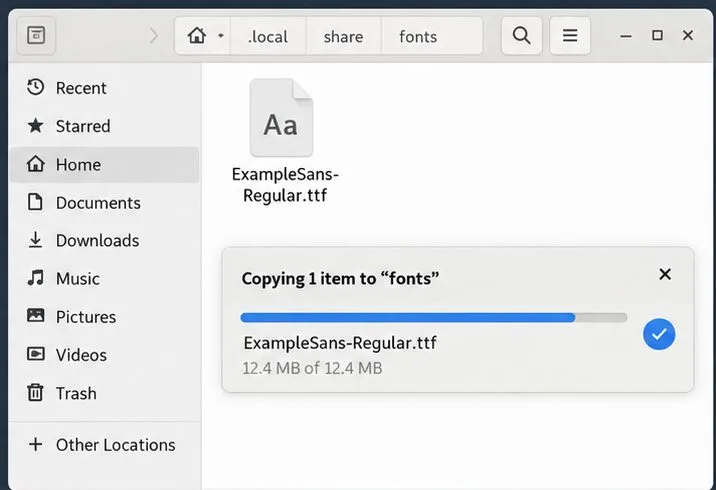
Install a font in your Linux user font folder, restart LibreOffice Flatpak, and confirm it appears in Writer without weakening the app sandbox.
Protect your work and isolate network-drive save crashes in LibreOffice on macOS Sonoma with a local-first workflow, permission checks, and targeted tests.