Home
» Wiki
»
How to turn off AirPlay on Apple devices
How to turn off AirPlay on Apple devices
AirPlay lets you stream audio/video or mirror your screen to other Apple devices, but if you don't want your device to automatically connect to a nearby Mac, TV, or speaker, you'll need to turn it off. Here's how!
How to Turn Off AirPlay on iPhone or iPad
Your iPhone or iPad may automatically connect to nearby AirPlay receivers like your Mac, AirPlay-enabled smart TV or speaker, HomePod, and more. To prevent that from happening, follow these steps:
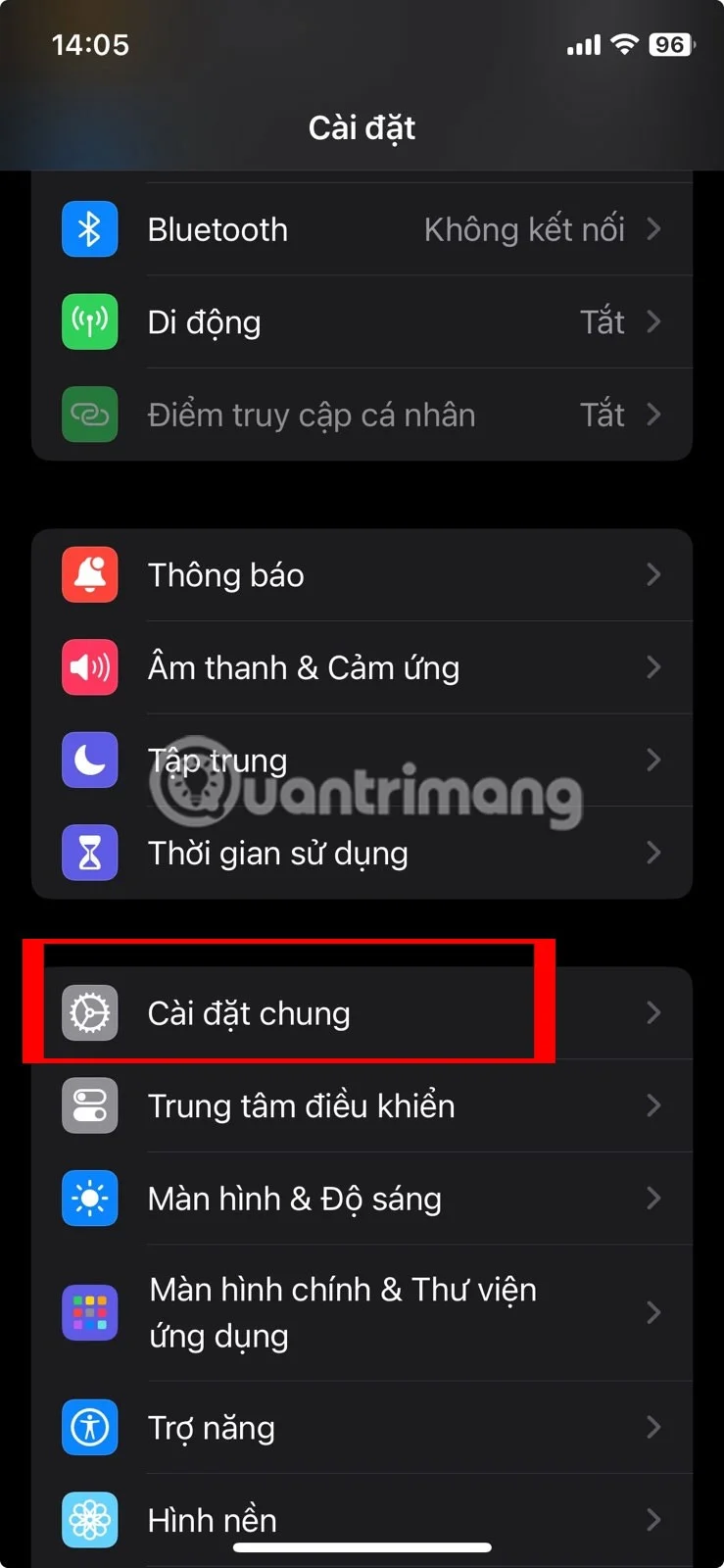
Go to Settings > General on your iPhone or iPad.
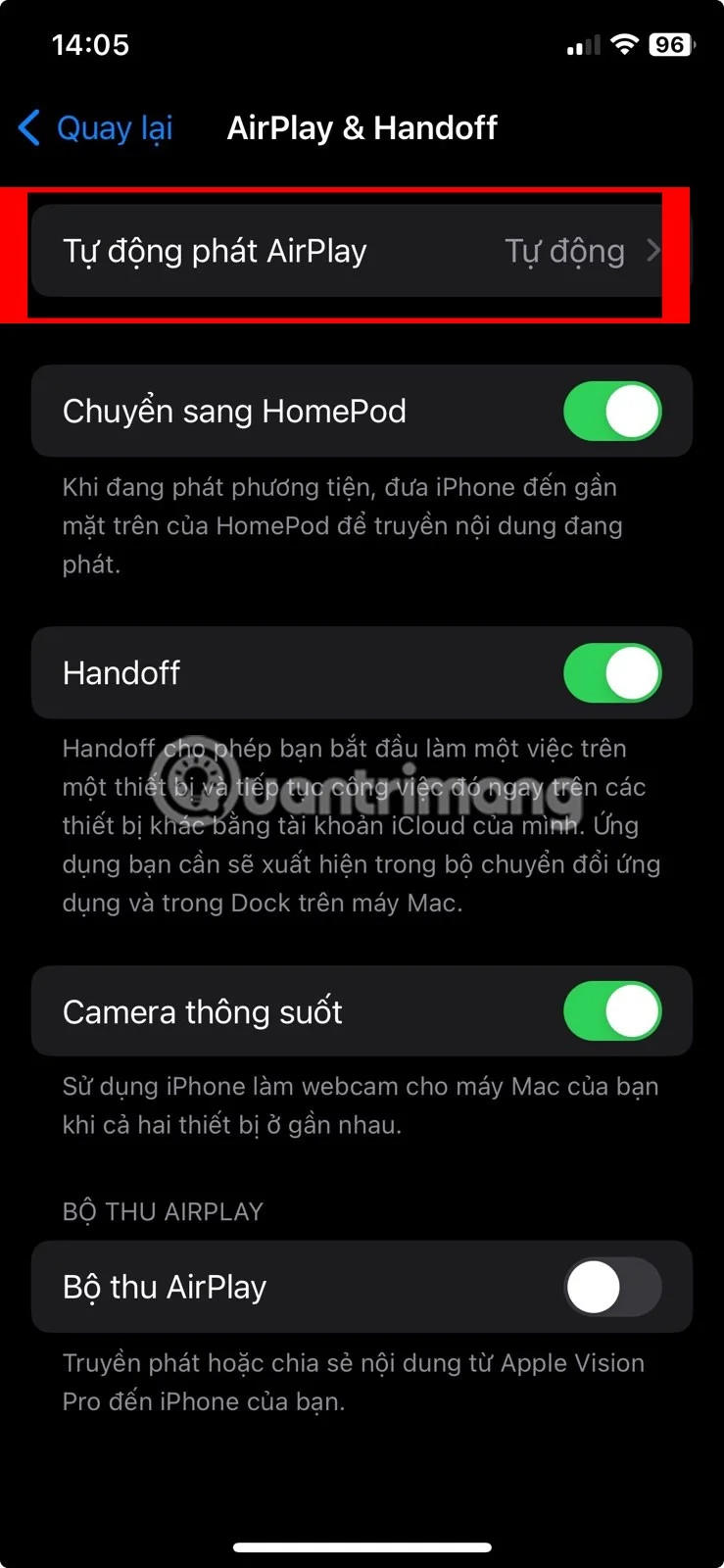
Tap AirPlay & Handoff .
You'll see the AirPlay Autoplay setting at the top. Set this to Ask or No if you want to prevent your device from automatically starting an AirPlay session.
If you own an Apple Vision Pro, turn off AirPlay Receiver in the same menu so the headset doesn't automatically stream content to it.
How to Disconnect AirPlay on iPhone or iPad
If you want to turn off or end an active AirPlay session, you'll need to take a different set of steps from Control Center. Here's what to do:
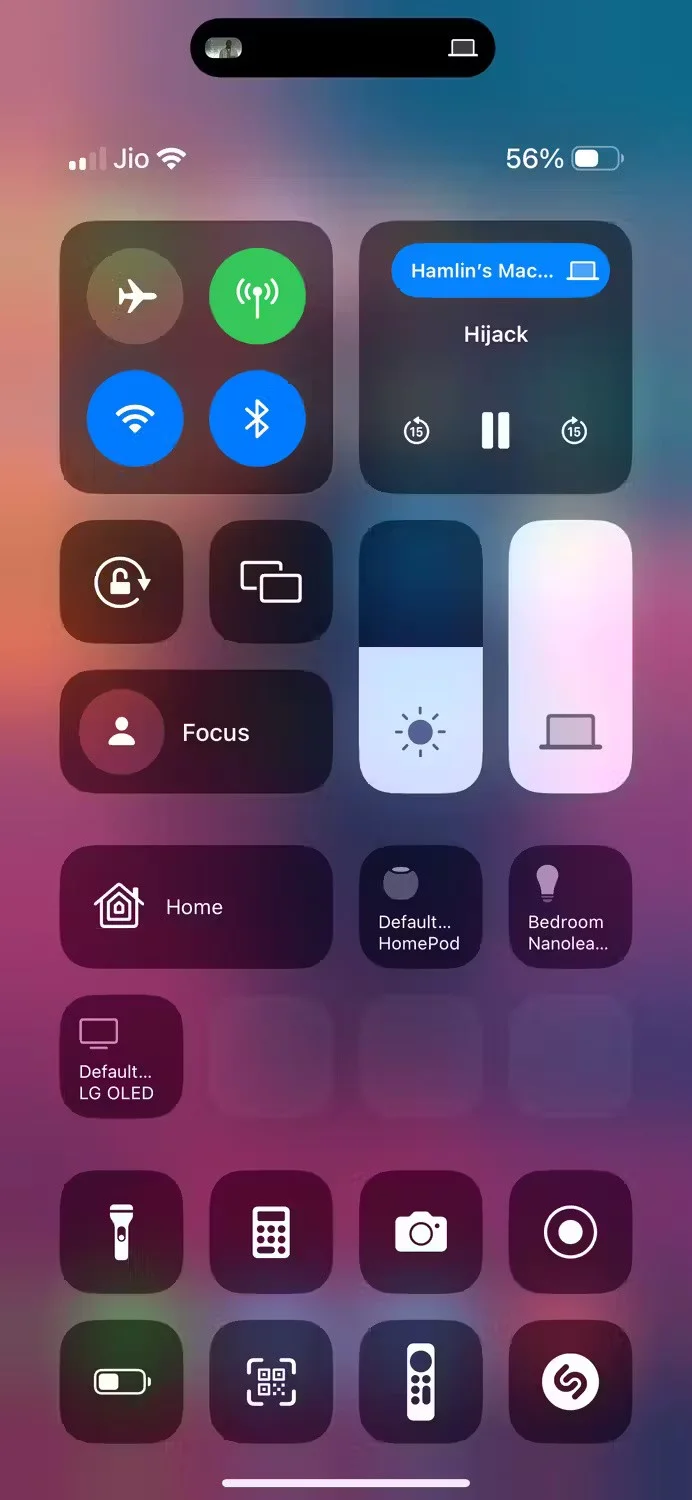
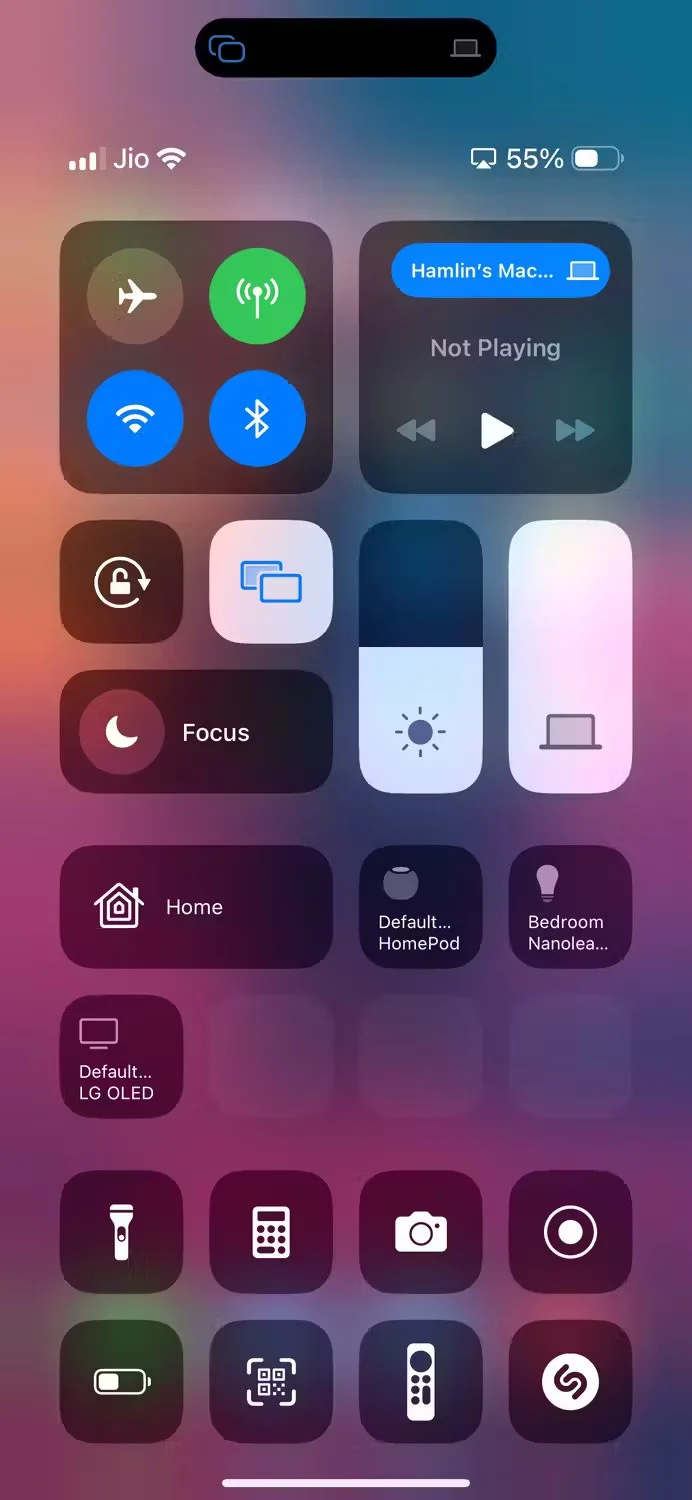
Open Control Center on your iPhone or iPad.
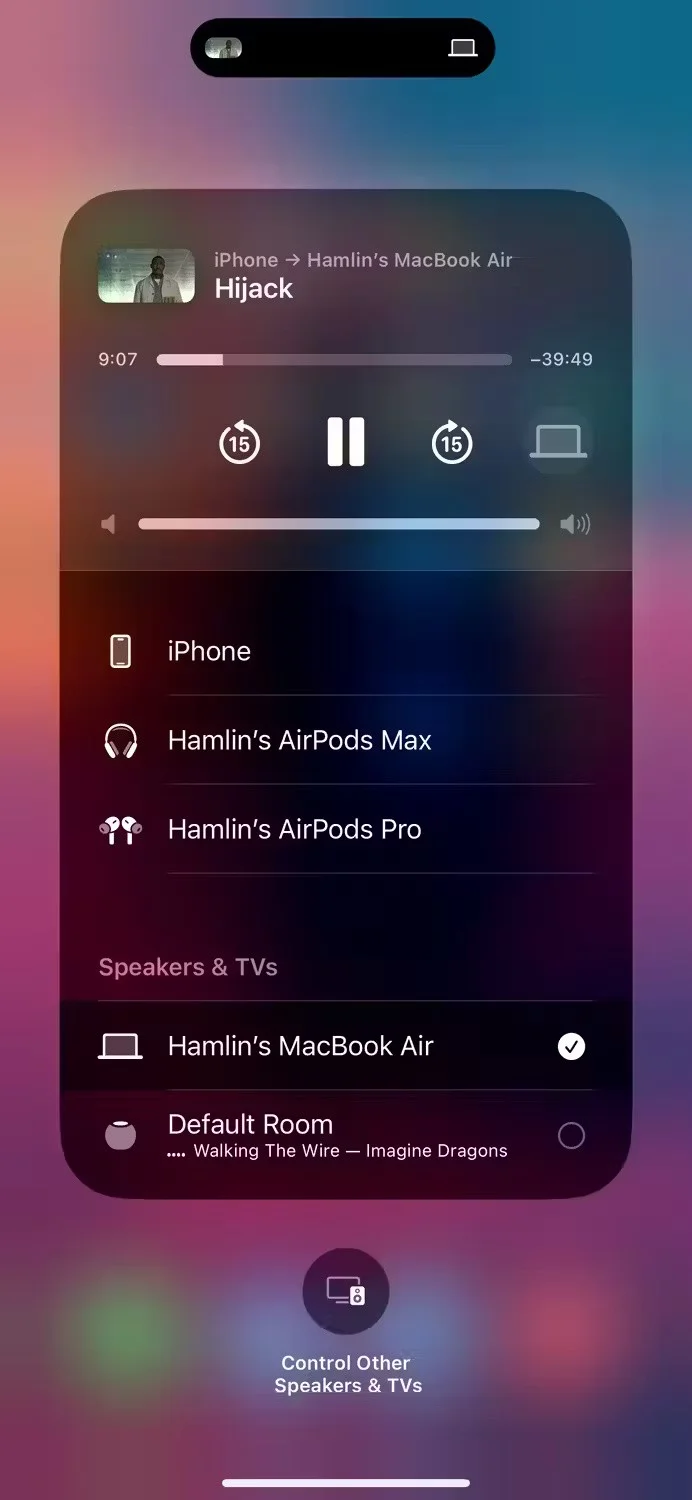
If you're streaming media to an AirPlay-enabled device, tap the AirPlay device (highlighted in blue) in the playback controls card and deselect the connected device.
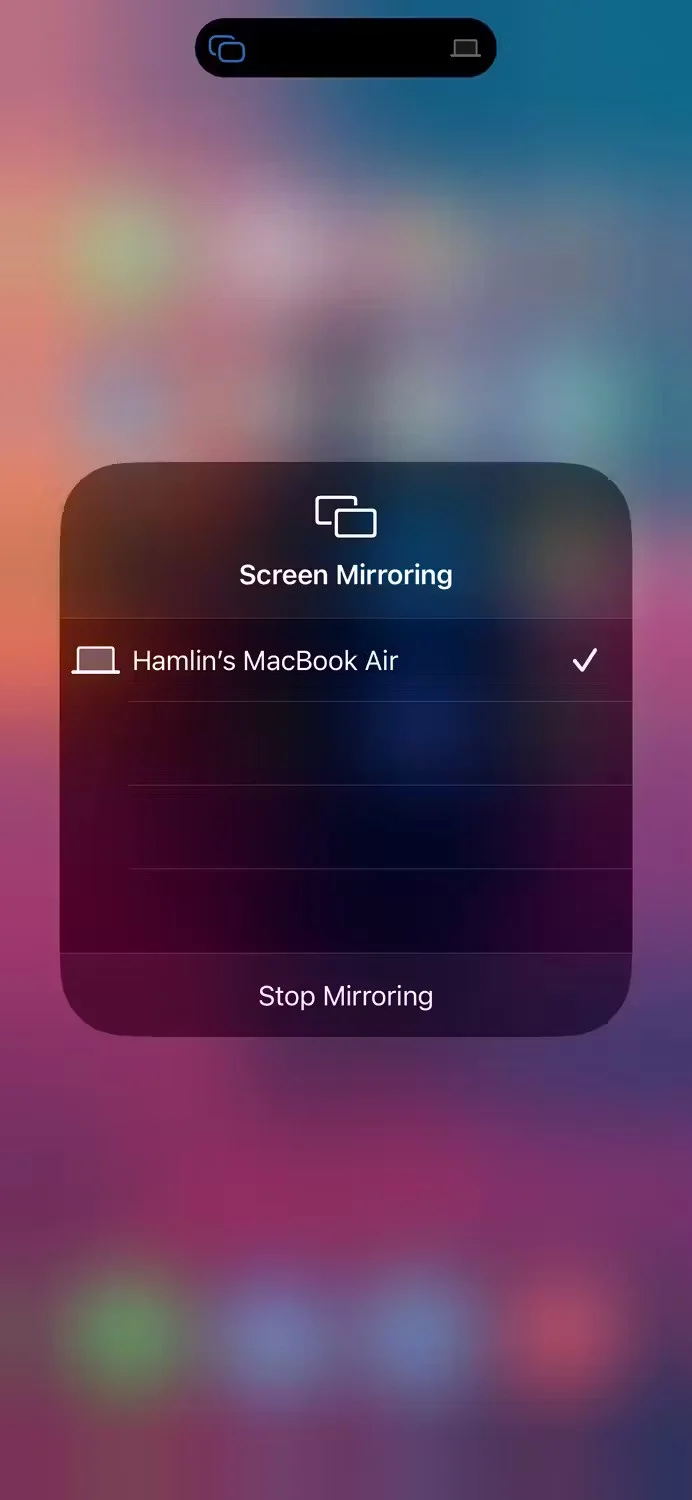
However, if you're mirroring your screen to an AirPlay device, tap the Screen Mirroring toggle and tap Stop Mirroring to disconnect.
How to Turn Off AirPlay on Mac
Macs don’t automatically connect to nearby AirPlay devices like iPhones and iPads. However, modern Macs can act as AirPlay receivers, which means you can AirPlay video from your iPhone or iPad to your Mac. To turn this feature off, follow these steps:
Click the Apple icon in the menu bar and select System Settings from the drop-down list.
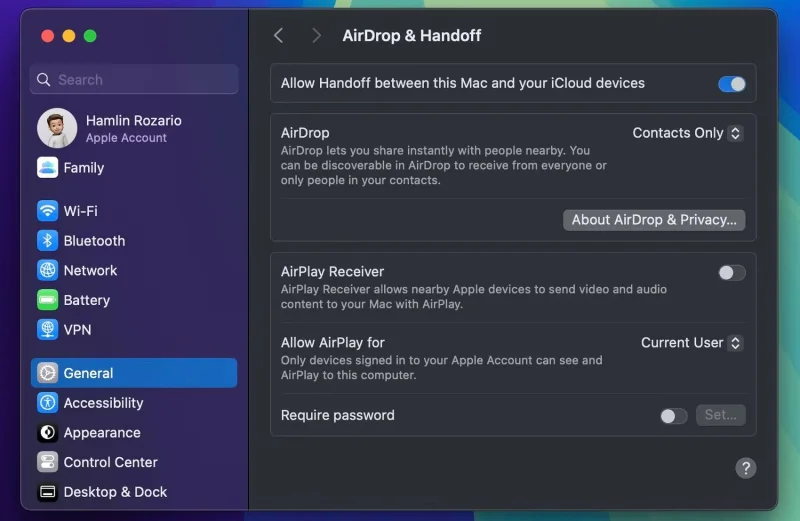
Select General from the left sidebar and click AirDrop & Handoff on the right.
Turn off AirPlay Receiver from this menu.
Set up AirDrop & Handoff in macOS
From now on, you won’t be able to AirPlay content to your Mac from any other Apple devices until you revert your settings. In the same menu, you can set an AirPlay password if you want privacy. You can also set Allow AirPlay for to Current User so that only devices signed in with your Apple ID can see your Mac and AirPlay to it.
How to Disconnect AirPlay on Mac
You can end an active AirPlay session on your Mac from Control Center if you're projecting your screen or streaming audio to AirPlay-enabled speakers like HomePod. But if you want to stop streaming video over AirPlay, you'll have to do it from the corresponding app.
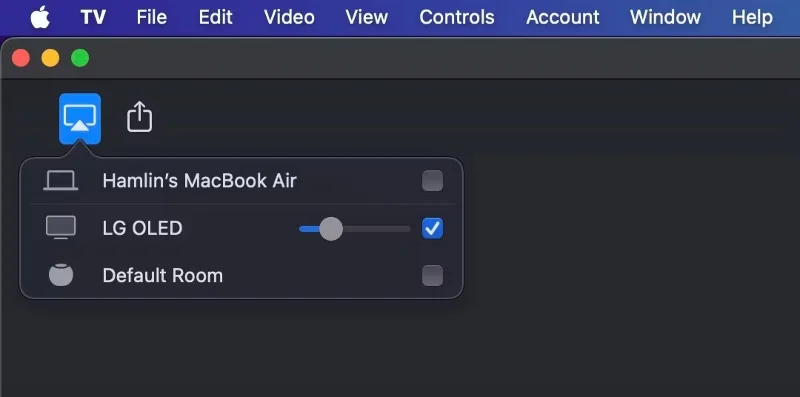
For example, if you're streaming a TV show in the Apple TV app, click the AirPlay icon after you access the play controls and deselect the AirPlay device your Mac is connected to.
Uncheck AirPlay devices on Mac
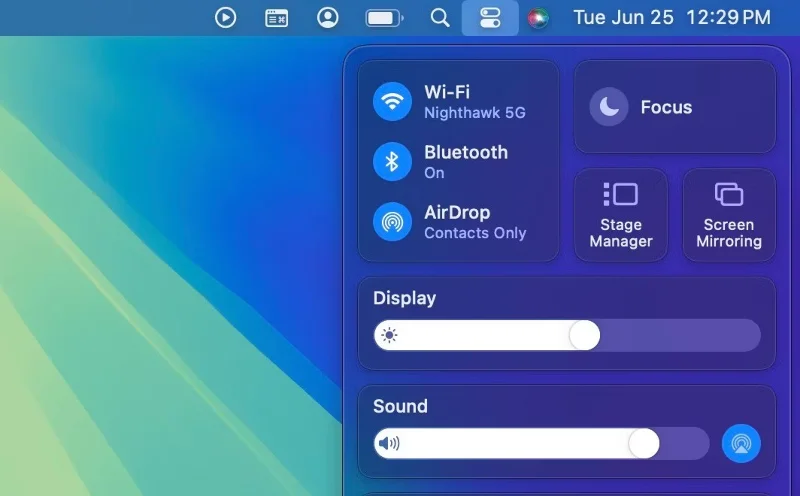
To end a screen mirroring session, click the Control Center icon in the macOS menu bar, click the Screen Mirroring toggle button , and deselect the AirPlay-enabled device your Mac is connected to. And to stop streaming audio, click the AirPlay icon next to Sound and set the output device to your Mac's built-in speakers.
Control Center in macOS Sequoia shows various toggle buttons
How to Turn Off AirPlay on Apple TV and Smart TVs
One of the key features of the Apple TV streaming box is AirPlay. However, if you don't want to use this feature for whatever reason, you can easily turn it off. The steps are similar for AirPlay-enabled smart TVs from LG, Sony, Samsung, and other manufacturers.
If you have an Apple TV, open the Settings app from the home screen. If you have an AirPlay-enabled TV, navigate to the AirPlay menu using your TV remote.
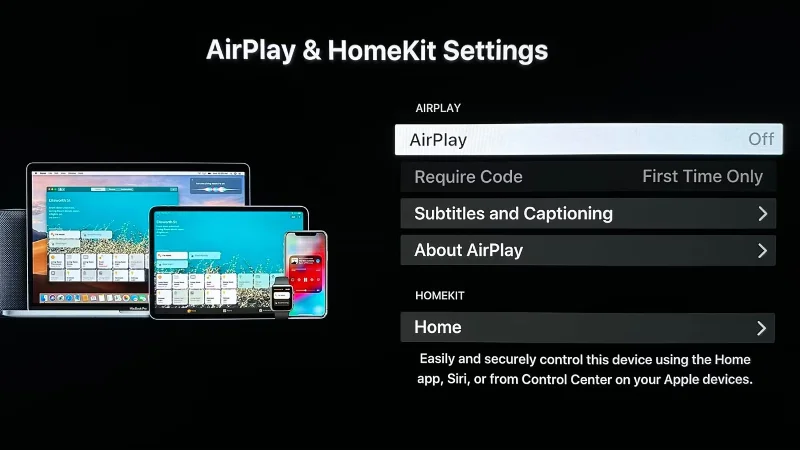
Select AirPlay and HomeKit Settings .
Now, select AirPlay once to turn it off.
Setting up AirPlay & HomeKit in LG OLED TV
On Apple TV, you can limit access to devices on the same Wi-Fi network by selecting Allow Access in the same menu. However, you won't find this option on AirPlay-enabled TVs.
Regardless of which Apple device you own, it’s easy to turn off AirPlay. Sometimes it can be annoying when your device automatically connects to a nearby AirPlay receiver, so turning it off on devices you don’t use often is a quick and easy solution.