How to Fix Ubuntu 24.04 Wi-Fi Disconnecting After Suspend
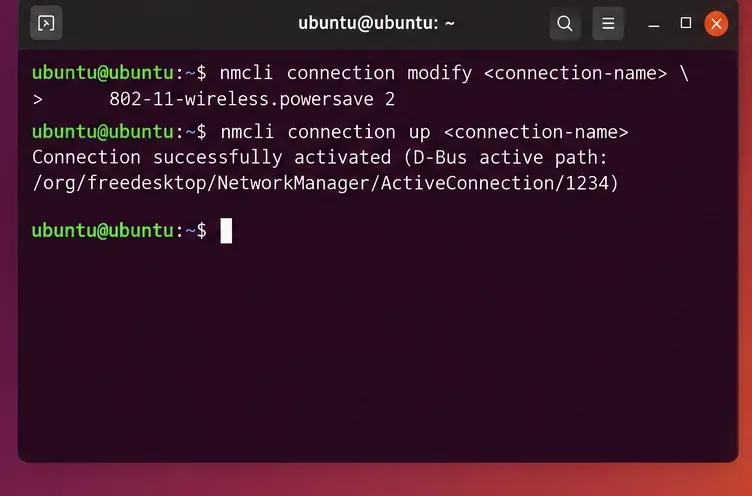
Fix Ubuntu 24.04 Wi-Fi drops after suspend with checks for NetworkManager, radio blocks, updates, power saving, and drivers—then verify each resume.
Imagine powering up your Windows 11 PC with confidence, knowing it's shielded from digital threats without needing extra software. That's the beauty of the Windows 11 built-in antivirus, officially known as Windows Defender or Microsoft Defender Antivirus. Built right into the operating system, it's a robust, free tool that keeps your device safe from malware, viruses, and ransomware. In this guide, we'll dive into how to use it properly, empowering you to maximize its potential for seamless protection. Whether you're a beginner or looking to fine-tune your setup, these steps will help you stay secure effortlessly.

Microsoft Defender Antivirus has evolved into a powerhouse, leveraging cloud-based intelligence for real-time threat detection. It scans files, emails, and web downloads automatically, blocking over 99% of known malware according to Microsoft's latest reports. Unlike third-party options, it integrates deeply with Windows 11, ensuring low system impact and automatic updates. No more worrying about compatibility issues—it's designed for your OS. Ready to unlock its full power? Let's get started with the essentials.
Getting started is straightforward. To access your Windows 11 built-in antivirus, search for "Windows Security" in the Start menu. This opens the central hub for all protection features. Here's how to ensure it's properly configured:
Pro tip: Enable automatic sample submission in settings. This anonymously sends suspicious files to Microsoft for analysis, improving global protection without compromising your privacy. Feel that sense of security washing over you—your PC is now vigilant 24/7.
To use Windows Defender properly, customize scans to fit your needs. Avoid unnecessary full scans that bog down your system; instead, schedule them wisely.
| Scan Type | Description | When to Use | Estimated Time |
|---|---|---|---|
| Quick Scan | Targets high-risk areas like memory and entry points | Daily or after suspicious activity | 1-5 minutes |
| Full Scan | Examines every file and folder | Weekly or after downloading large files | 1-2 hours |
| Custom Scan | Allows selecting specific folders or drives | For targeted checks, like external drives | Varies |
| Microsoft Defender Offline Scan | Boots into a secure environment to bypass hidden threats | Suspected rootkits or persistent infections | 15 minutes |
Navigate to Scan options in Windows Security to choose these. For external drives, always run a custom scan before accessing files—it's a simple habit that prevents nasty surprises. 😊
Windows 11 built-in antivirus isn't just about scanning—it's part of a broader ecosystem. Explore these integrated tools for comprehensive defense:
These features work in harmony with Windows Defender, creating layers of security that feel impenetrable. Imagine browsing freely, knowing your data is locked down tight—empowering, right?
To truly master how to use Windows 11 built-in antivirus properly, adopt these habits:
One common pitfall: Ignoring cloud protection. Enable it in settings for faster threat detection using Microsoft's vast database. It's like having a global security team at your fingertips. 🚀
Even the best tools hit snags. If Windows Defender won't update, run the Microsoft Safety Scanner tool from the official site. For scan errors, restart your PC and try again. Persistent problems? Use the built-in troubleshooter in Windows Security under Other settings.
For advanced users, command-line fans can use PowerShell: Run Get-MpComputerStatus to check status. If real-time protection is disabled, enable it with Set-MpPreference -DisableRealtimeMonitoring $false. Always back up important files before deep cleans—better safe than sorry! ⚠️
In a world of paid security suites, Windows Defender shines for its no-cost, no-fuss reliability. Independent tests from AV-TEST consistently rate it highly for detection and performance. It's lightweight, updating silently in the background, so you can focus on what matters. Plus, with Windows 11's latest enhancements, like improved AI-driven anomaly detection, it's more capable than ever.
For more details, check Microsoft's official guide on Virus and threat protection.
By following these steps, you're not just using Windows 11 built-in antivirus—you're mastering it. Start with a quick setup, customize your scans, and layer on those extra protections. Your PC will thank you with smooth, threat-free performance. Dive in now, and experience the peace of mind that comes with top-tier security. What's your first step? Share in the comments below—we're here to help you stay safe! 👏
Fix Ubuntu 24.04 Wi-Fi drops after suspend with checks for NetworkManager, radio blocks, updates, power saving, and drivers—then verify each resume.
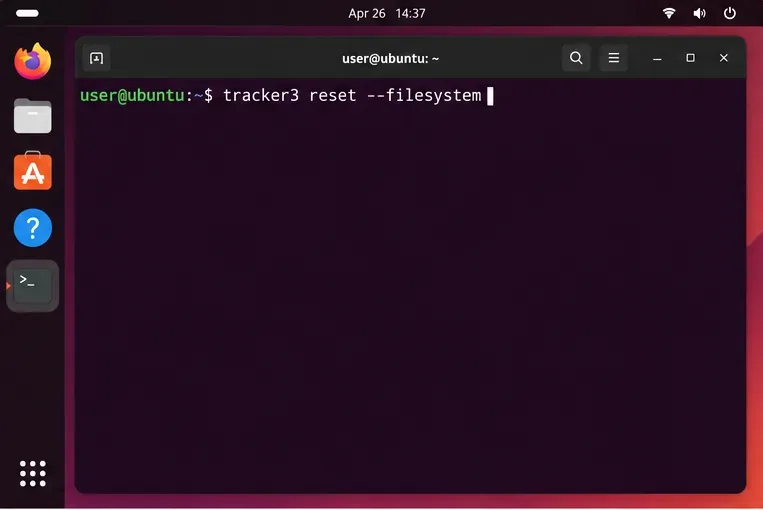
Learn why tracker-miner-fs-3 uses high CPU in Ubuntu GNOME and how to check indexing, exclude folders, update Ubuntu, or safely rebuild the search index.
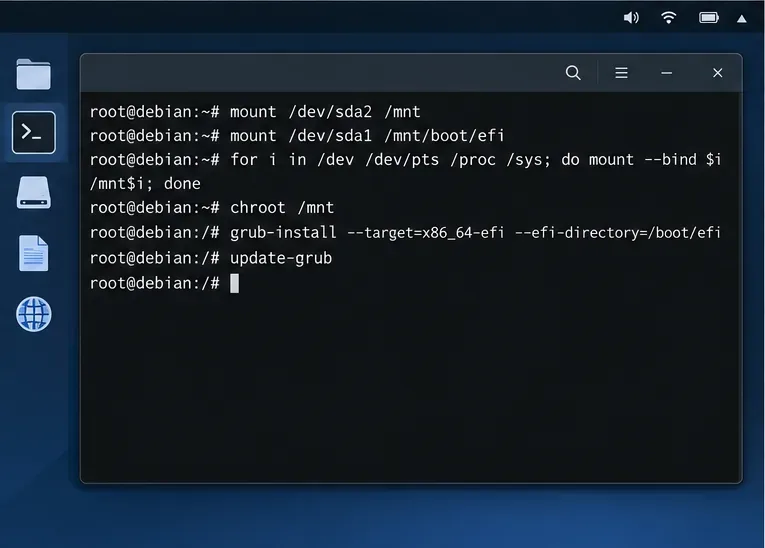
Fix Debian’s UEFI boot error by checking boot mode, the EFI System Partition, GRUB files, and firmware boot order—without reinstalling Debian first.
The Outlook Inbox Repair Tool fixes corrupted PST files quickly so you can recover emails and restore normal Outlook function. Follow these exact steps to run scanpst.exe without data loss.
Get the Adobe PDF Installer Offline to install Acrobat Reader on any PC without needing internet during setup. Follow these exact steps for the full standalone package.
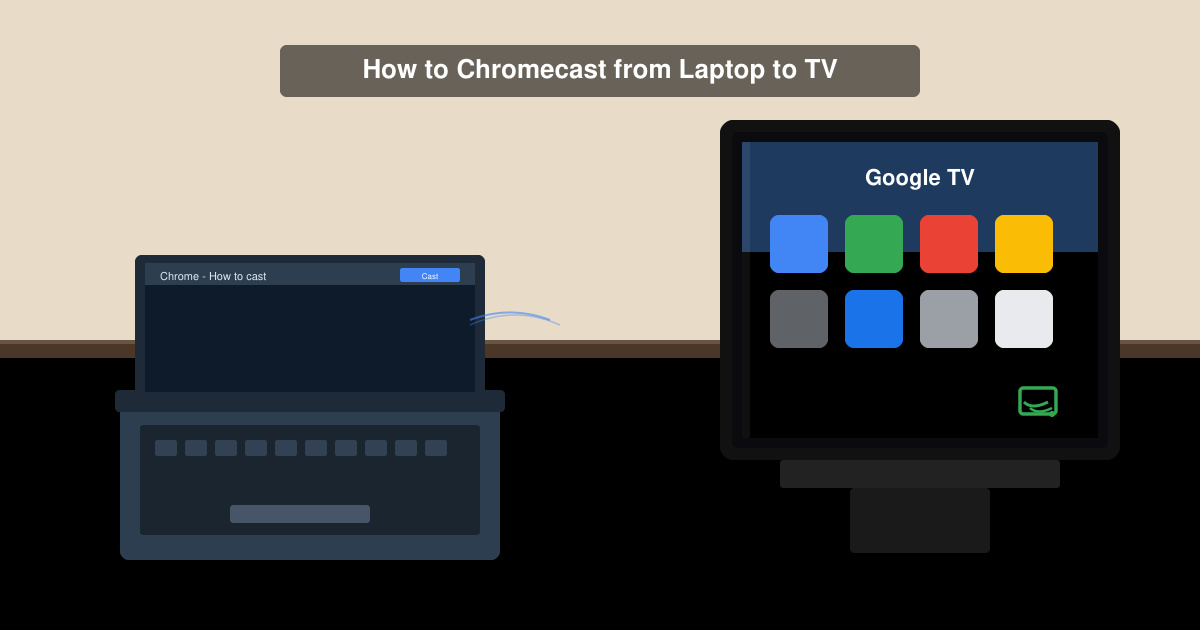
Learn how to Chromecast from laptop to TV with this step-by-step guide. Stream browser tabs, videos, or your full screen from Windows or Mac to your TV in minutes.
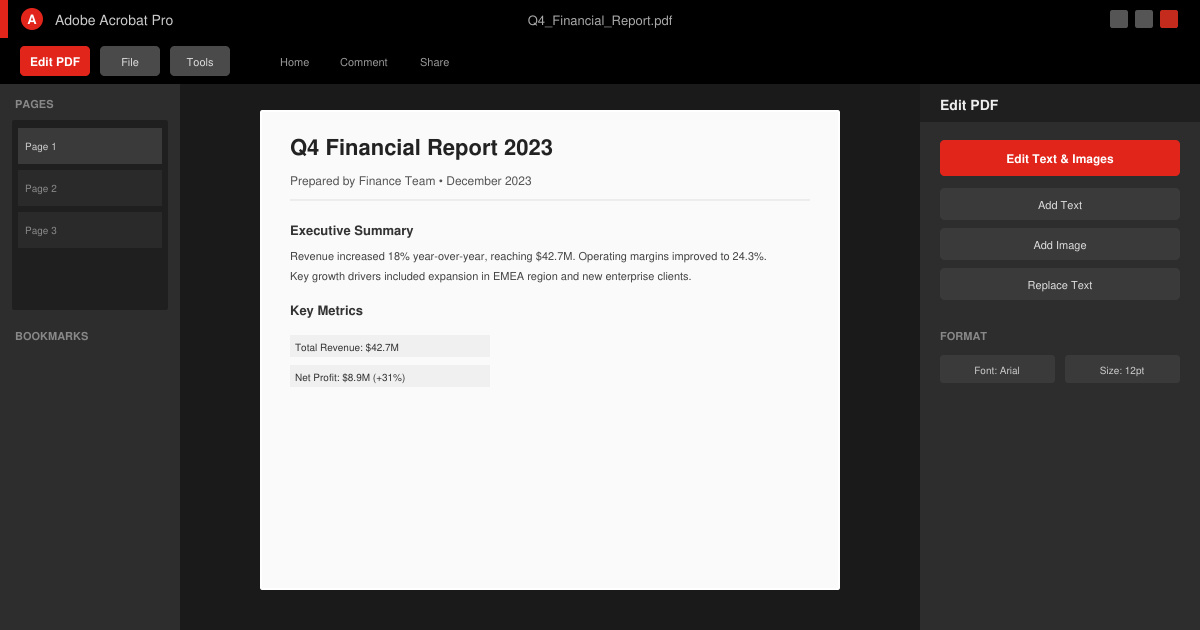
Learn how to edit an Adobe PDF file in Adobe Acrobat with precise steps for text, images, and layout changes. Make professional edits quickly and save time.
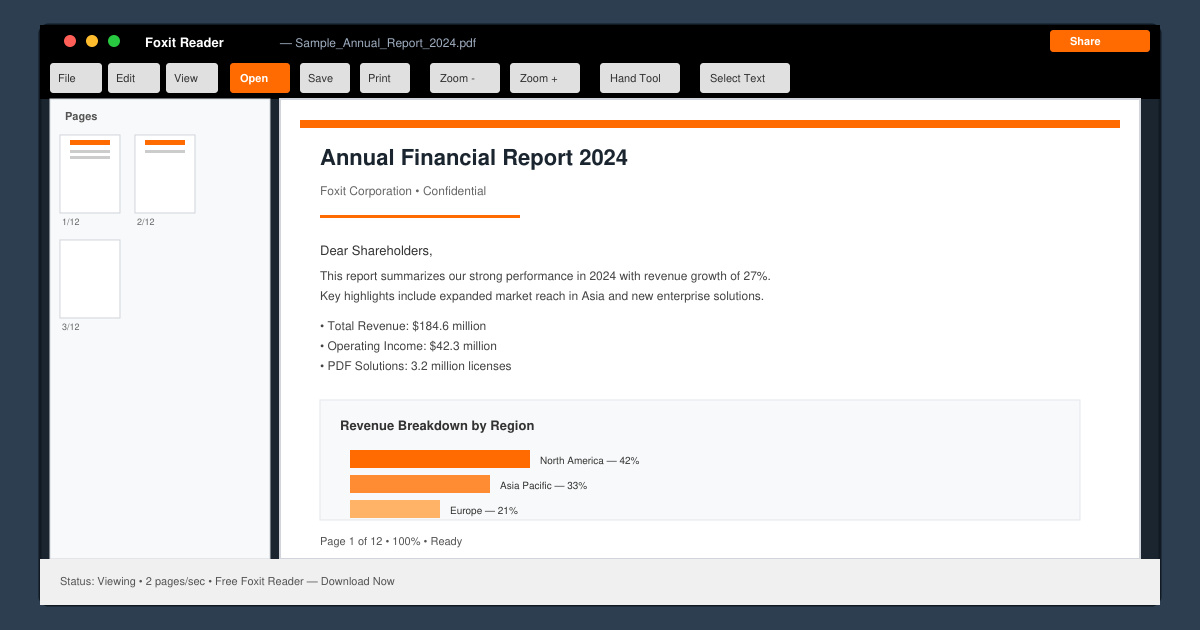
Get your Free Foxit Reader Free Download from the official source with this step-by-step guide that ensures a safe and quick installation for viewing PDFs.
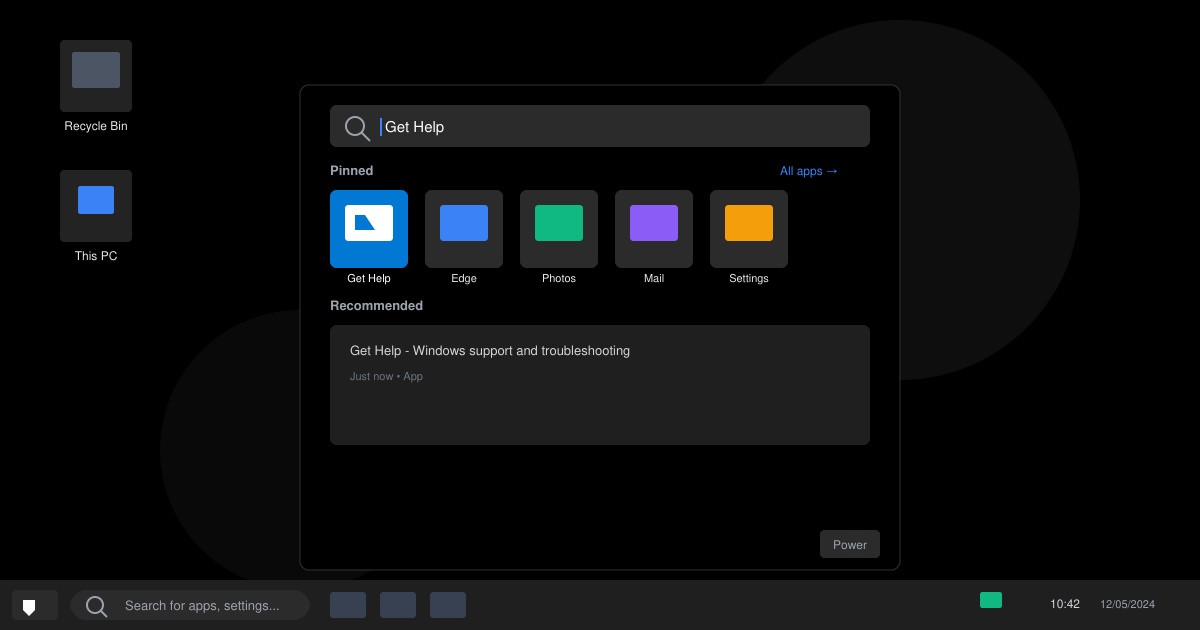
Learn how to get help in Windows 11 with built-in tools like the Get Help app and Quick Assist for fast, official support without third-party downloads.
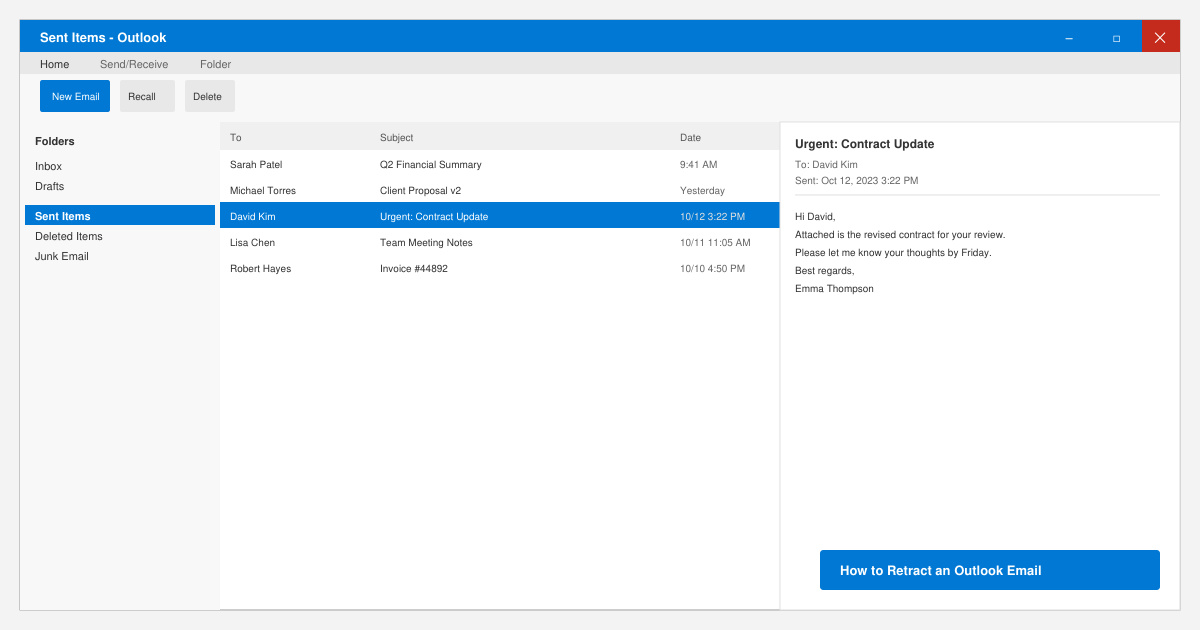
Learn how to retract an Outlook email in Microsoft Outlook when you need to correct a mistake before the recipient opens it. Follow these precise steps for Exchange accounts.