Imagine accessing your work computer from a coffee shop, fixing a family member's PC from across the country, or simply controlling your home setup while traveling. That's the magic of Windows 11 Remote Desktop Connection. This built-in feature, known as RDP (Remote Desktop Protocol), lets you connect securely to another Windows device as if you were sitting right in front of it. Whether you're a remote worker, IT enthusiast, or just want hassle-free access to your files, mastering Remote Desktop in Windows 11 will save you time and frustration. Let's dive into this straightforward guide to get you connected quickly and confidently.

Why Choose Windows 11 Remote Desktop Connection?
Before we jump into the steps, here's why Windows 11 Remote Desktop stands out. It's free, secure with end-to-end encryption, and optimized for the latest Windows updates. No need for third-party apps that might compromise your data. Plus, it supports high-quality audio, clipboard sharing, and even printer redirection—making remote sessions feel incredibly natural. 🚀
Excited? Good, because setting it up is easier than ever in the latest Windows 11 builds. We'll cover enabling it on your host PC, connecting from a client device, troubleshooting common hiccups, and pro tips to enhance your experience. Stick around, and you'll be a RDP pro in no time.
Step 1: Enable Remote Desktop on Your Windows 11 Host PC
The "host" is the computer you want to access remotely—think of it as the one waiting at home. Only Windows 11 Pro, Enterprise, or Education editions support hosting; Home edition users might need a workaround like upgrading or using alternatives, but let's focus on the standard setup.
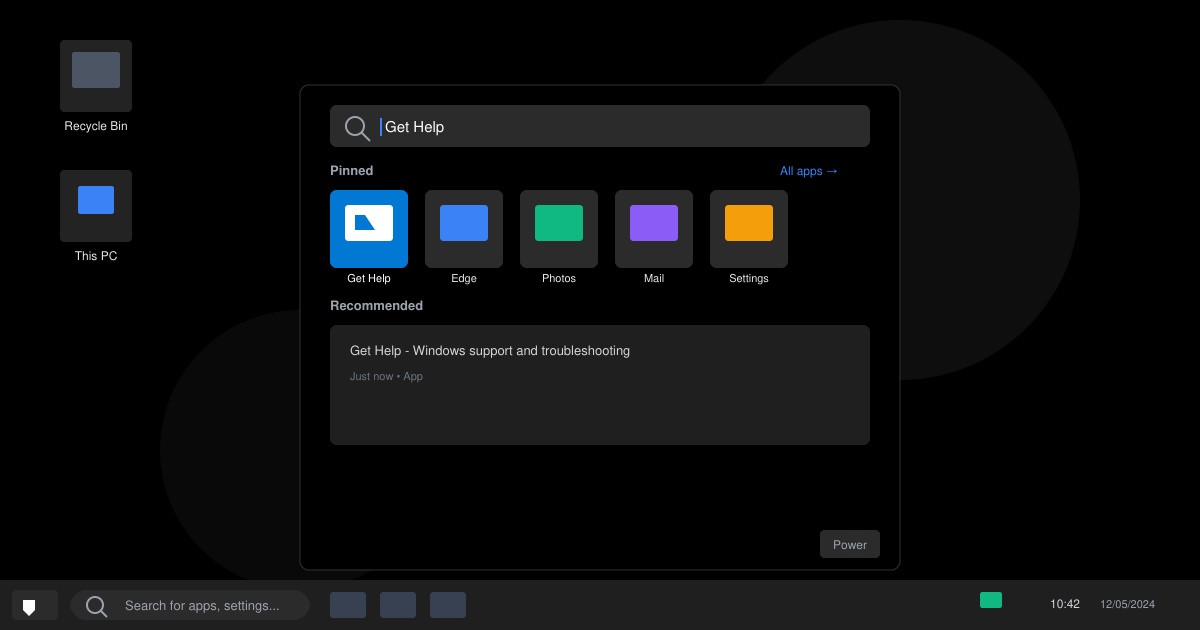
- Open Settings: Click the Start button (Windows icon) and select Settings (gear icon), or press Windows + I. It's that simple! 😊
- Navigate to Remote Desktop: Go to System > Scroll down and click Remote Desktop. Toggle the switch to On. Windows will prompt you to confirm—do it!
- Allow Through Firewall: If prompted, allow Remote Desktop through Windows Defender Firewall. This ensures secure connections without exposing your PC unnecessarily.
- Note Your PC Name: Under the Remote Desktop section, jot down your PC name (e.g., DESKTOP-ABC123). You'll need this for connections. For external access, consider your public IP or a dynamic DNS service.
Pro Tip: For added security, go to Settings > System > Remote Desktop > Advanced settings and require Network Level Authentication (NLA). This verifies users before they establish a full session, keeping hackers at bay.
Step 2: Set Up User Access and Security
By default, only administrators can connect via Remote Desktop Connection Windows 11. To add others:
- Search for "Remote Desktop users" in the Start menu and open it.
- Click Select Users and add the desired accounts. Ensure they have passwords—RDP won't work without them.
Security first: Use a strong password and enable two-factor authentication if accessing over the internet. For public networks, always use a VPN to encrypt your traffic. Feeling secure? Let's move to connecting.
![Connecting to Remote Desktop in Windows 11]()
Step 3: Connect Using Remote Desktop from Another Device
Now, from your "client" device (another Windows PC, Mac, or mobile), launch the Remote Desktop Connection app. It's pre-installed on Windows; for other platforms, download from the Microsoft Store or official site.
| Platform |
How to Launch |
Quick Steps |
| Windows 11 Client |
Search "Remote Desktop Connection" in Start |
1. Enter PC name or IP. 2. Click Connect. 3. Input credentials. |
| macOS |
Download Microsoft Remote Desktop from App Store |
1. Add PC via + icon. 2. Enter details. 3. Tap Connect. |
| Android/iOS |
Install RD Client app from Google Play/App Store |
1. Add new connection. 2. Subscribe to PC. 3. Authenticate. |
Detailed for Windows clients:
- Launch the App: Type "mstsc" in the Run dialog (Windows + R) or search for Remote Desktop Connection.
- Enter Details: In the Computer field, input the host PC's name, local IP (like 192.168.1.100), or public IP. Add the username if needed.
- Customize Options: Click Show Options for advanced settings—adjust display resolution, enable clipboard sharing, or redirect drives.
- Connect and Log In: Hit Connect, enter your host PC credentials, and voilà! You're in. The session mirrors the host's desktop seamlessly.
For mobile users, the RD Client app makes how to use Remote Desktop Windows 11 touch-friendly. Just ensure your host is powered on and connected to the internet. If you're on the same network, local IPs work fastest; for remote access, port forwarding on your router (default RDP port 3389) is key—but use caution and consider VPNs.
![Remote Desktop session on Windows 11]()
Troubleshooting Common Remote Desktop Issues in Windows 11
Even the smoothest setups hit snags. Here's how to fix them quickly:
- Connection Fails (Error 0x204 or Similar): Check if Remote Desktop is enabled on the host. Restart both devices and verify network connectivity. ⚠️
- Black Screen or Slow Performance: Lower display settings in the connection options or ensure a stable internet speed (at least 5 Mbps recommended).
- Can't Access Externally: Confirm your public IP hasn't changed (use sites like whatismyip.com). Set up port forwarding in your router settings, but pair it with a VPN for safety.
- Authentication Errors: Double-check passwords and ensure NLA matches on both ends. If using a Microsoft account, try the local username format (e.g., PCName\Username).
For deeper dives, Microsoft's official support is gold: Remote Desktop troubleshooting guide. If issues persist, update Windows to the latest version via Settings > Windows Update.
Advanced Tips to Supercharge Your Remote Desktop Experience
Ready to level up? Here are game-changers for remote access Windows 11:
- Multi-Monitor Support: In connection options, select "Use all my monitors" for a sprawling workspace. Perfect for productivity pros! 👏
- Resource Optimization: Enable "Experience" tab tweaks like persistent bitmap caching to reduce lag on slower connections.
- Secure Remote Access: Integrate with Azure Virtual Desktop for cloud-based scaling, or use tools like Tailscale for easy VPN-free remote networking.
- Mobile Magic: On phones, pinch-to-zoom and gesture controls make navigating your desktop intuitive—great for quick file grabs.
One more: Always log off properly (don't just close the window) to end sessions cleanly and save battery on the host.
Final Thoughts: Connect with Confidence
Congratulations—you're now equipped to harness Windows 11 Remote Desktop Connection like a boss! From enabling it on your host to troubleshooting on the fly, this tool bridges distances effortlessly. Whether boosting your workflow or helping loved ones remotely, RDP delivers reliability and ease. Got questions or a unique setup? Experiment safely, and remember: secure practices keep your connections golden. Start your first session today and feel the freedom—your remote world awaits! 🌟